Roof and Chimney Repairs: A Guide for Homeowners
Sam R.·Aug 7, 2026
Why Roof and Chimney Repairs Matter
Most homeowners in Derby and Nottingham don't think about their chimney until a damp patch appears on the upstairs ceiling. It is easy to ignore the stack sitting high above your head, but the junction where your chimney meets the roof is one of the most vulnerable spots on any property. Over twenty years of fixing roofs, we have seen how a tiny gap in the lead flashing can turn into a major structural headache within just a few months.
Water is persistent. It finds the path of least resistance. When your chimney mortar starts to crumble or a tile slips near the stack, gravity does the rest. The rain runs down the masonry, soaks into your rafters, and eventually ruins your plasterwork. Dealing with these issues early isn't just about maintenance; it is about protecting the value of your home.
The Common Culprits of Chimney Leaks
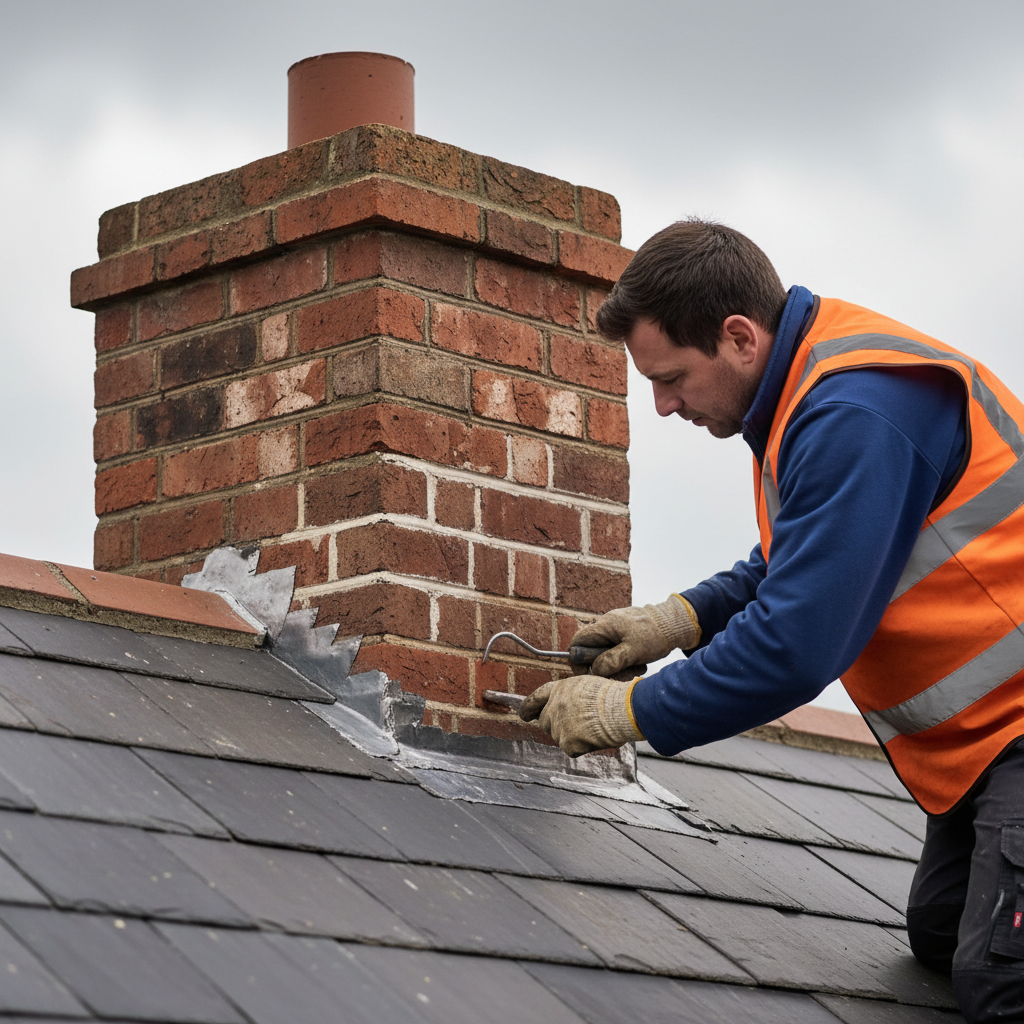
When we get called out to a job in Leicester, the problem usually stems from one of three things. The first is the flashing. This is the metal strip, usually lead, that creates a watertight seal between the chimney and the roof tiles. Over time, lead can crack or pull away from the brickwork as the house settles. Once that seal is broken, you have an open invitation for water.
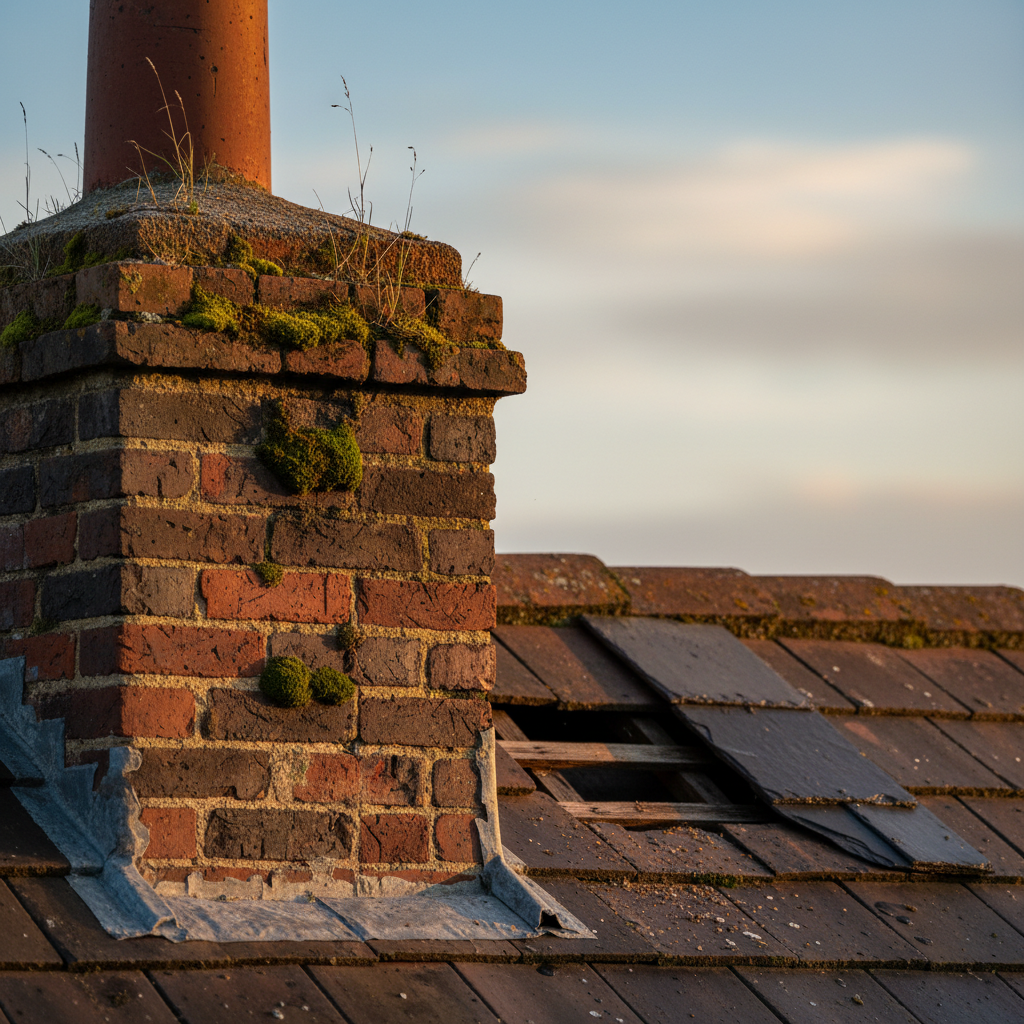
Second, we often see issues with the mortar joints, known as pointing. Exposure to wind and rain causes mortar to erode. If you can see visible gaps between the bricks on your chimney stack, the moisture is already getting in. Eventually, this can lead to unstable bricks, which is a significant safety risk during a storm.
Finally, there is the chimney pot and the flaunching. The flaunching is the sloped mortar base that holds the chimney pot in place. If this cracks, water pools around the top of the stack and seeps downward. It is a classic case of a small repair preventing a full chimney rebuild later on.
Signs You Need a Professional Look
You don't need to climb a ladder to check the health of your roof. In fact, we recommend staying on the ground and using a pair of binoculars. Look for these specific warning signs:
- Dark stains on the brickwork of the chimney stack.
- Pieces of mortar or broken tile fragments lying in your gutters.
- Visible gaps or loose metal strips around the base of the chimney.
- Vegetation, like moss or small weeds, growing out of the chimney mortar.
- White, powdery staining on the bricks, which often indicates salt deposits from moisture.
If you notice any of these, it is time to get a professional opinion. Waiting for the next big downpour to 'see if it leaks' usually results in a much higher repair bill.
The Importance of Roof Tile Matching
One thing people often overlook during a chimney repair is the surrounding tiles. If we have to lift tiles to fix the flashing, we sometimes find that the existing tiles are brittle or already cracked. This is where experience really counts. You don't want a patch job that looks like a thumb print on a painting.
We focus heavily on roof tile matching. Whether you have traditional clay pantiles or modern concrete slabs, the replacement needs to fit the profile and colour of your existing roof. A poor match doesn't just look bad; it can affect the way water flows across the surface, potentially creating new leaks elsewhere. In areas like Derby, where many homes have distinct local styles, getting the right tile is essential for maintaining kerb appeal.
Dealing with Roof Leaks Near the Stack
Sometimes the leak isn't the chimney itself, but the way the roof interacts with it. Valleys and junctions are high-traffic areas for rainwater. If your gutters are blocked near the chimney, water can back up under the tiles. This is particularly common in autumn when leaves settle in the nooks behind the stack.
When we investigate a leak, we look at the whole system. We check the felt under the tiles, the condition of the timber battens, and the integrity of the surrounding roof covering. A quick fix might stop the dripping for a week, but a proper repair addresses the root cause. We have spent two decades learning that there are no shortcuts when it comes to keeping a house dry.
What to Expect During a Repair
A standard chimney or roof repair usually starts with a thorough inspection. We need to see exactly where the water is entering. Sometimes the entry point on the outside is several feet away from where the damp patch shows up on the inside. Water travels along beams, which can be deceptive.
Once the problem is identified, we clear away any failed mortar or damaged lead. We ensure the area is clean before applying new materials. If we are replacing flashing, we ensure it is properly 'stepped' into the brickwork and sealed with high-quality roofing sealant. It is a methodical process that requires patience and a steady hand.
Longevity and Maintenance
How long will a repair last? That depends on the materials used and the weather conditions. A well-executed lead flashing replacement can last for decades. However, mortar pointing is sacrificial; it is designed to weather so the bricks don't have to. You should expect to check your chimney every five years or so to ensure the pointing is still holding up.
Keeping your gutters clear is the best thing you can do for your roof between professional visits. When water can flow freely off the roof and away from the chimney, the risk of penetration drops significantly. It is a simple chore that saves thousands in the long run.
Why Local Knowledge Matters
Working across Derby, Nottingham, and Leicester, we see a lot of different architectural styles. The way a chimney is built on a Victorian terrace in Nottingham is very different from a 1970s detached home in Leicester. Understanding these differences allows us to choose the right approach for the repair.
We know the local weather patterns and the common failures associated with specific house types in this region. That experience is what allows us to provide a service that lasts. We don't just patch things up; we make sure the repair is fit for the specific challenges of the East Midlands climate.
Final Thoughts on Home Protection
Your roof is your home's first line of defence. The chimney is often the weakest link in that defence. By paying attention to the small signs of wear and tear, you can avoid the stress and expense of a major internal renovation. Whether it is a slipped tile, a cracked pot, or failing leadwork, addressing the issue now is the smartest move you can make as a homeowner.