Chimney Repair Specialist: Protecting Your Roof and Home
The On the Roofing Team·Jun 8, 2026·Updated Sep 11, 2026
The Hidden Danger Above Your Head
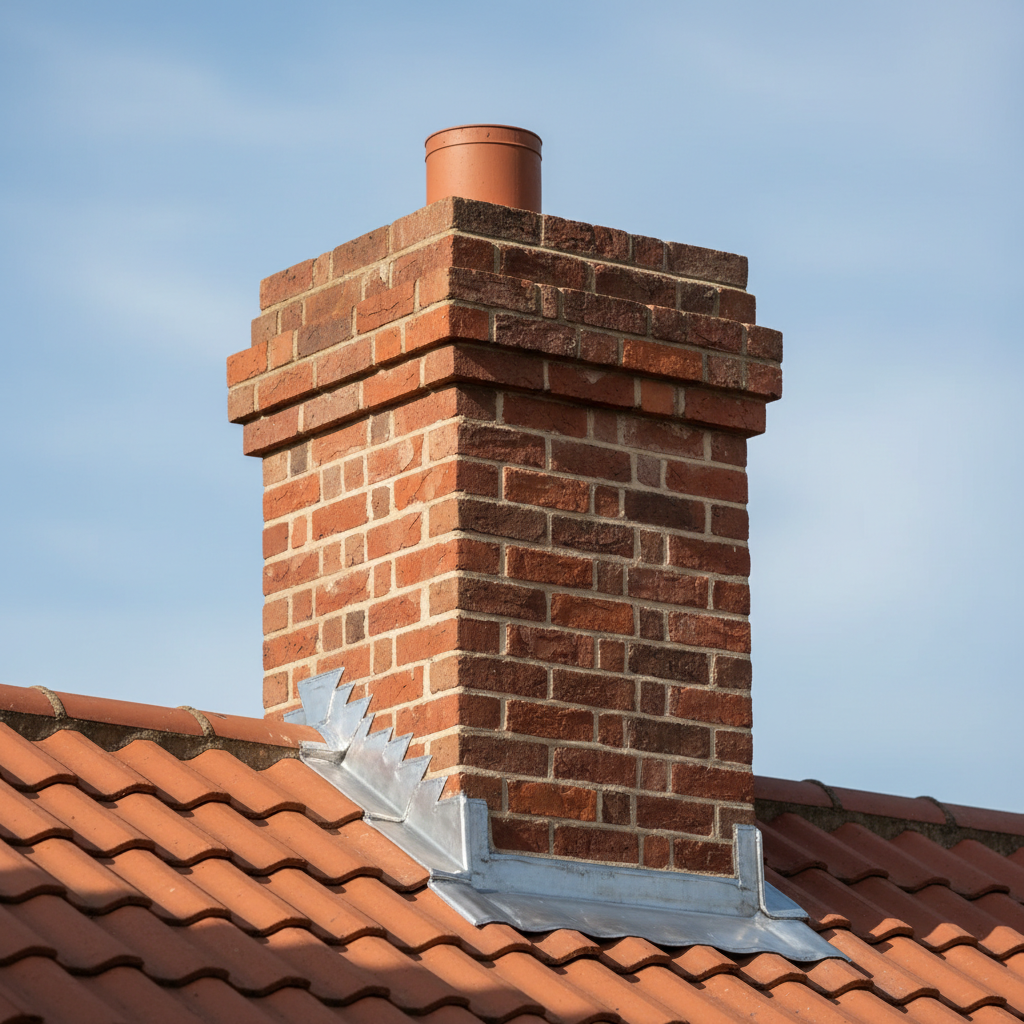
Most homeowners in Derby and Nottingham rarely look at their chimneys until a brown stain appears on the living room ceiling. By then, the damage is already done. Your chimney is the most exposed part of your home, taking the full brunt of East Midlands weather. When the mortar starts to fail, it does not just look messy. It becomes a funnel for water to enter your roof structure.
We have spent 20 years climbing onto roofs in Leicester and surrounding areas. The most common thing we see is a chimney that looks fine from the ground but is actually falling apart upon closer inspection. Those small cracks in the flaunching or the missing bits of mortar between the bricks are the primary entry points for damp.
Why Chimneys Fail
It is easy to assume bricks last forever. In reality, the constant cycle of freezing and thawing in the winter causes moisture trapped in the masonry to expand. This process, known as spalling, eventually causes the face of the brick to pop off. Once that protective layer is gone, the soft interior of the brick soaks up water like a sponge.
Then there is the lead flashing. This is the metal skirt that connects your chimney stack to your roof tiles. If this lead is cracked, lifting, or was poorly installed, you have a direct line for rainwater to bypass your tiles and rot your rafters.
Signs You Need a Specialist
If you are wondering whether your chimney needs attention, there are a few things you can spot without needing a ladder:
- Debris in the gutters: If you see chunks of mortar or bits of red brick sitting in your guttering, your chimney is shedding.
- Vegetation growth: Plants growing out of your chimney stack mean there is enough moisture and soil-like debris inside the cracks to support life. That is a bad sign for your masonry.
- White staining: This powdery substance is called efflorescence. It is salt being pushed out of the bricks by moisture, indicating a saturation problem.
- Damp internal walls: If the wallpaper near your breast is peeling or feels cold to the touch, the stack is likely leaking.
The Real Cost of Delay
We often talk to customers who ignored a small leak for a year. What would have been a simple repointing job often turns into a full chimney rebuild. Even worse, the water that gets in usually rots the timber batons holding your tiles in place.
In our experience, a chimney repair is never just about the bricks. It is about protecting the thousands of pounds you have invested in your roof and your home's interior. A small investment in maintenance today prevents a massive structural headache two years down the line.
How We Approach Repairs
When we look at a chimney in Derby or Leicester, we do not just slap some cement on and leave. We look at the whole system. This includes checking the chimney pots are secure, ensuring the flaunching at the top is shed-water effectively, and verifying the leadwork is watertight.
Matching materials is also a huge part of what we do. If you have a period property in Nottingham, you do not want bright red modern mortar clashing with your weathered bricks. We take pride in making sure our repairs blend in, keeping the character of your home while making it weather-tight.
Final Thoughts
Your chimney is a vital part of your roofing system, not a separate entity. If the stack is failing, the roof is failing. Keeping an eye on the masonry and addressing small cracks early is the smartest way to avoid expensive emergency call-outs during a storm.
If you have noticed any of these signs, it is worth getting a professional opinion before the next big rain. We have been helping homeowners across Derby, Nottingham, and Leicester stay dry for two decades, and we know exactly what to look for.