
Roof Tile Repair Near Me: Fixing Leaks in the East Midlands
The On the Roofing Team·Jul 8, 2026
Why Local Roof Tile Repair Matters
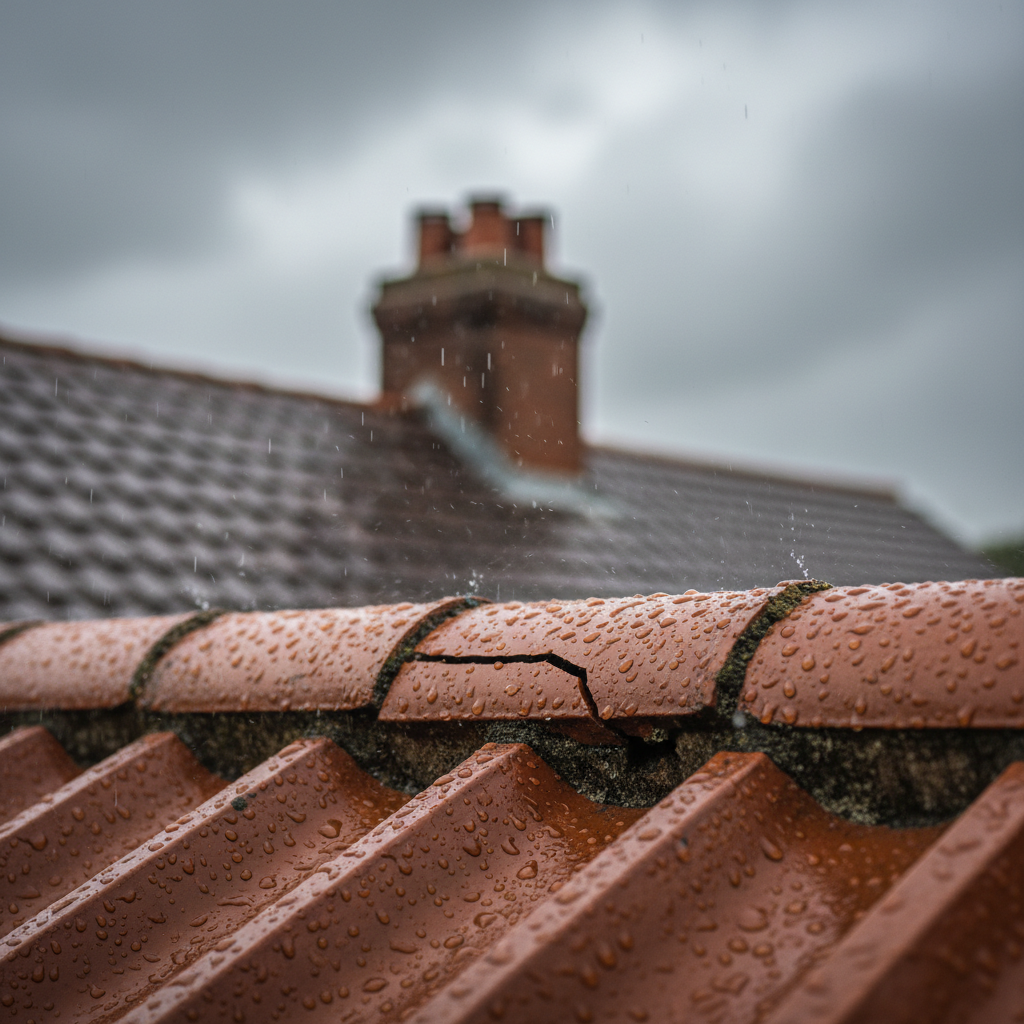
When you start searching for roof tile repair near me, you are usually dealing with one of two things. Either you have noticed a damp patch on your ceiling, or you have spotted a slipped tile after a particularly windy night. In the East Midlands, our roofs take a fair bit of punishment from the rain and wind.
Waiting to fix a small issue is a mistake I see homeowners make all the time. A single cracked tile might not look like much from the ground. However, that small gap allows water to seep into the felt and eventually into your timber rafters. By the time you see a stain on the plasterboard, the water has likely been getting in for weeks.
The Problem With DIY Tile Repairs
It is tempting to grab a ladder and try to pushed a slipped tile back into place. I always advise against this for a few reasons. First, roof tiles are surprisingly heavy and brittle. If you step on the wrong part of a tile, you will crack three more while trying to fix one.
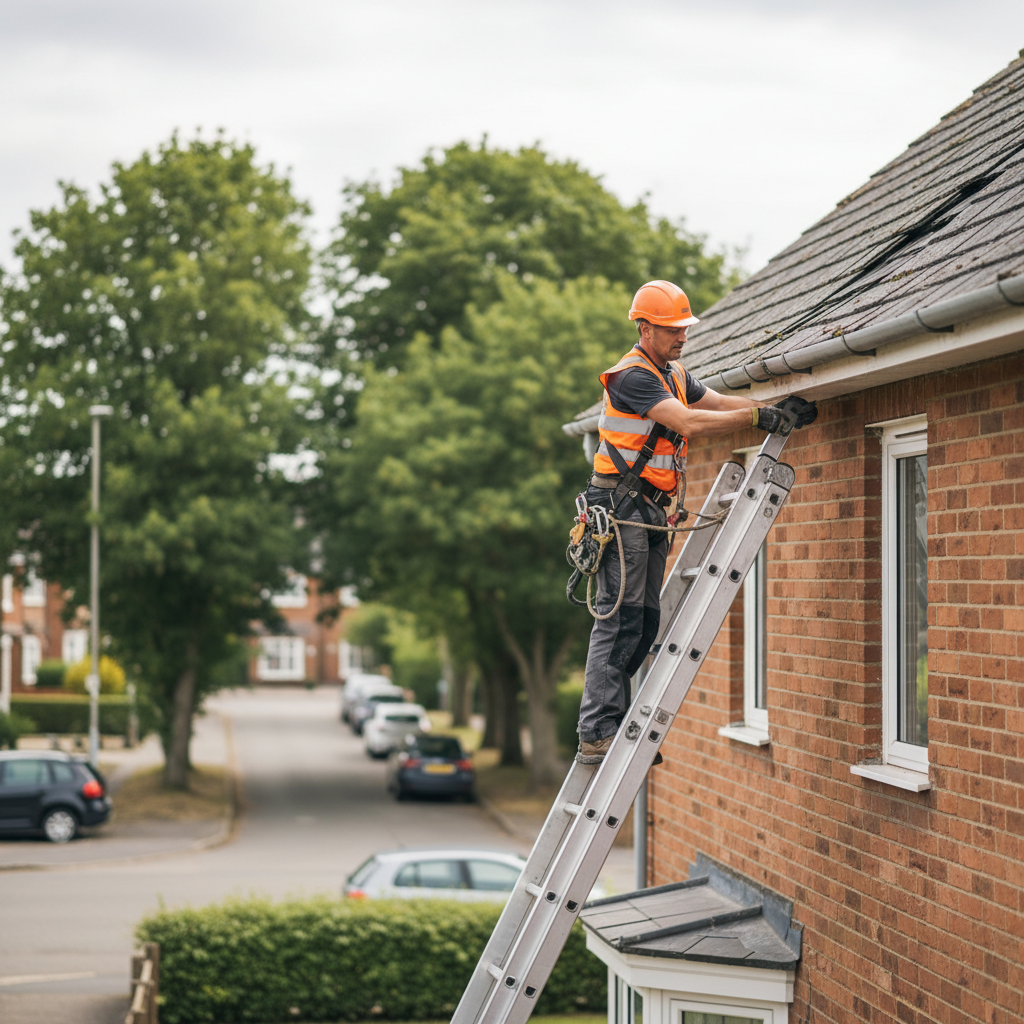
Second, safety is a massive factor. Most people do not have the right crawling boards or safety harnesses to be working at height. We have spent 20 years climbing onto roofs across Derby and Nottingham. We know which parts of the structure are safe and how to distribute weight.
Finally, there is the issue of identifying the real cause. Sometimes a tile has slipped because the nail has rotted away. Other times, the mortar in the valley or the ridge has perished. A professional eye catches these details before they turn into a full roof replacement.
Matching Your Existing Roof Tiles
One of the biggest headaches for homeowners in Leicester or Derby is finding the right match for their existing roof. If your house was built forty or fifty years ago, those specific tiles might not be in production anymore.
Nothing ruins the look of a house quite like a patch of bright, new tiles that do not match the weathered look of the rest of the roof. We focus heavily on roof tile matching. This involves sourcing reclaimed tiles or finding modern equivalents that mimic the profile and colour of your original roof.
Common tiles we work with include:
- Concrete interlocking tiles (very common in 1970s estates)
- Clay rosemary tiles (often found on older Victorian terraces)
- Natural slate (requires specific copper nail fixings)
- Pantiles (traditional S-shaped tiles)
Identifying Roof Leaks Early
Most roof leaks do not start as a flood. They start as a slow drip. If you want to avoid a massive repair bill, you need to know what to look for from the inside and the outside.
From the ground, keep an eye on your gutters. If you see bits of broken tile or a lot of sand-like grit in the downpipes, your tiles are deteriorating. This is common with older concrete tiles where the protective surface has worn away.
Inside your loft, look for dark streaks on the rafters. Even if the wood feels dry to the touch, those streaks are a sign that water has been there recently. If you can see daylight through the roof, that is an obvious red flag. While some older roofs were built without felt, you should still not see direct sunlight through the tile gaps.
The Repair Process: What to Expect
When we come out to a job in Nottingham or Leicester, the first thing we do is a thorough assessment. We do not just look at the broken tile. We check the surrounding area to see if the batten underneath has started to rot.
If the batten is soft, simply replacing the tile is a waste of time. The new tile will eventually slip because the nail has nothing solid to grip. We remove the damaged section, replace the timber batten if needed, and then install the new tile.
We also look at the lead flashing around chimneys or in valleys. Often, people think they have a broken tile when the real culprit is a crack in the leadwork. Fixing the tile but ignoring the lead is a temporary solution that will fail during the next heavy downpour.
Why Experience Counts in Roofing
There is no substitute for time on the tools. Over 20 years, we have seen almost every type of roofing failure imaginable. We know that a house in a windy spot in the Derbyshire Dales needs different fixing methods than a sheltered semi-detached house in the city centre.
Using a local specialist means we understand the local building styles. We know the common issues with the types of clay used in regional brickworks and how those tiles age. This knowledge helps us provide a repair that actually lasts rather than a quick patch job that needs doing again in six months.
Weathering the Storm in the East Midlands
Our weather is getting more unpredictable. We are seeing more intense bursts of rain and higher wind speeds. This puts a lot of pressure on the perimeter of your roof. The ridge tiles at the very top and the eaves tiles at the bottom are the most vulnerable.
If your ridge tiles are bedded in old mortar, that mortar can become brittle. A strong gust of wind can lift a ridge tile off completely. We often recommend dry ridge systems for newer repairs because they are mechanically fixed and do not rely on mortar that can crack over time.
Protecting Your Investment
Your roof is the most important part of your home's structure. It keeps the rest of the building dry. A small investment in a professional tile repair today can save you thousands of pounds in damp proofing and structural timber repairs later.
If you are worried about a loose tile or a mystery leak, getting a professional opinion is the best first step. We have built a reputation across Derby, Nottingham, and Leicester for being honest about what needs doing. If it is a simple fix, we will tell you. If it needs more work, we will explain why.
Reliability matters. We hear stories all the time about people who had a repair done only for the roofer to disappear when the leak came back. We take pride in our great reviews and our long history in the area. When we fix a roof, we want it to stay fixed.