
Roof Tile Matching for Derby Storm Repairs
Sam R.·Sep 6, 2026
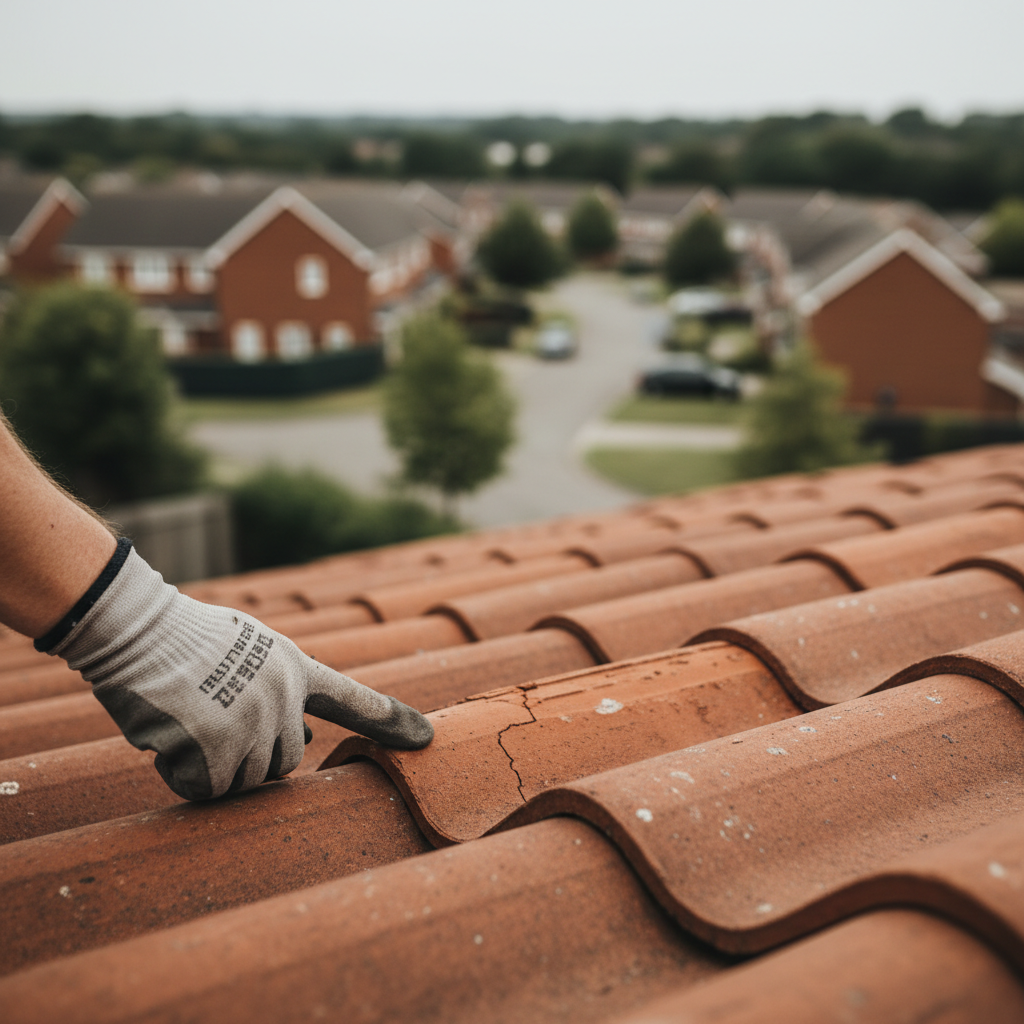
The hidden risk of a mismatched roof
When a storm hits Derby, the priority is usually just stopping the water from coming in. That is understandable. A leaking roof causes stress, ruins ceilings, and can lead to expensive structural issues if left alone. However, once the initial panic subsides, many homeowners make a mistake that costs them later. They settle for "close enough" when it comes to tile matching.
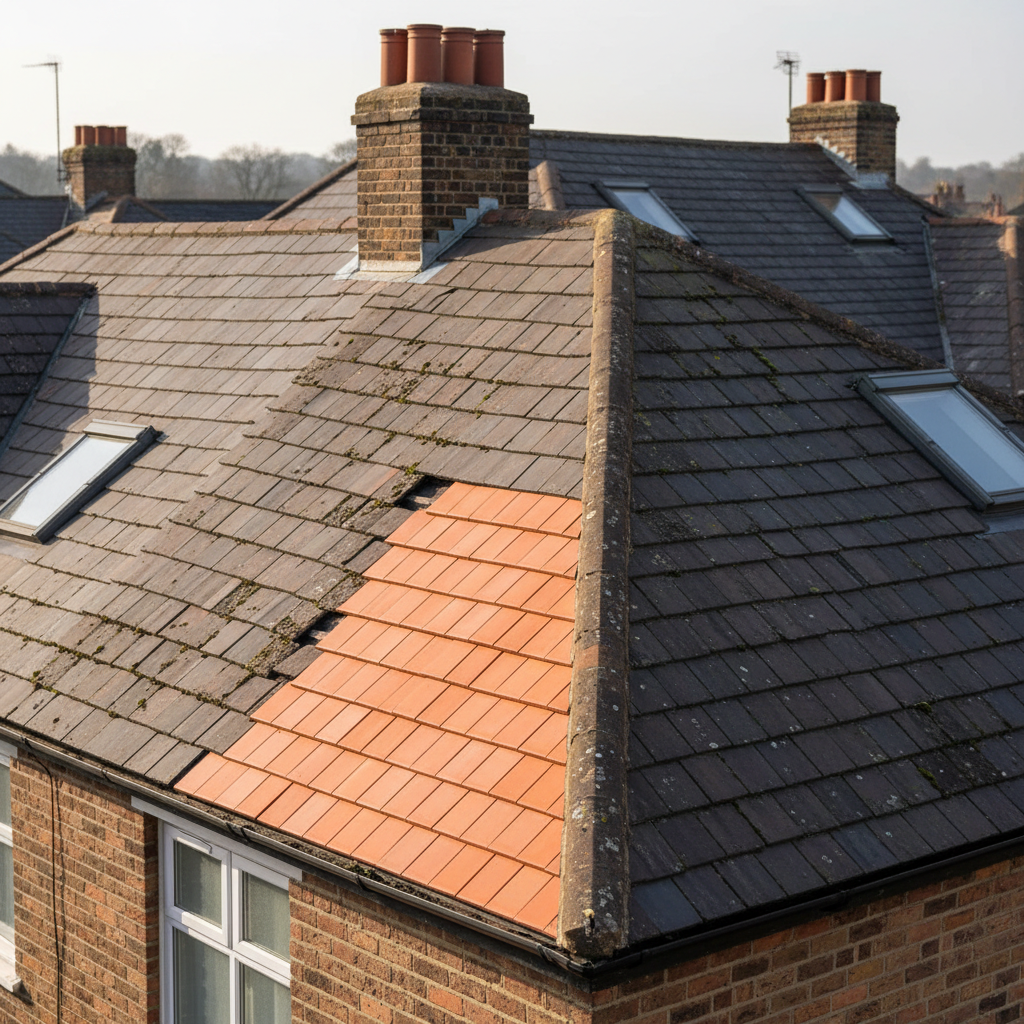
After 20 years in the trade, I have seen plenty of roofs that look like a patchwork quilt. It usually happens because a contractor was in a rush or did not have the right contacts to source the original material. While it might keep the rain out for a few weeks, a mismatch creates long term problems that go beyond just being an eyesore.
Why local Derby homes need specific tiles
Derby has a massive variety of housing stock. You have Victorian terraces near the city centre, mid century semis in Chaddesden, and newer builds out toward Mickleover. Each era used different clay or concrete profiles.
If you put a modern concrete interlocking tile next to a weathered Rosemary clay tile, they will not sit flush. This creates small gaps. In a standard rain shower, you might not notice anything. But when the next storm brings driving wind, that wind pushes water into those tiny gaps. That is how you end up with a mystery leak six months after you thought the roof was fixed.
The impact on your property value
We have to be honest about curb appeal. If you decide to sell your house in a few years, a surveyor or a keen eyed buyer will notice a patch of mismatched tiles immediately. It signals that the maintenance was done on the cheap.
Buyers start wondering what else was skipped. Did they use the right underlay? Is the flashing secure? A consistent roofline suggests a well maintained home. A patchy one suggests a series of quick fixes. In my experience, spending the extra time to find a match saves you thousands in negotiations later on.
Weathering and material differences
Tiles change over time. A tile that was bright red in 1990 will have faded to a deeper, muted tone by now. If we just grab a brand new version of the same model, it will still stand out.
This is where the skill of tile matching comes in. Sometimes it involves sourcing reclaimed tiles from local yards in Derbyshire or Nottinghamshire. Other times, it means knowing which modern manufacturers produce a "weathered" finish that mimics the patina of older roofs.
Common tile types we see in the Midlands
Most storm repairs in our area involve one of these common materials:
- Plain Clay Tiles: Often called Rosemary tiles, these are staples of older Derby properties. They require a very specific overlap to remain watertight.
- Concrete Interlocking Tiles: These are common on post war estates. The challenge here is that manufacturers often change the "lock" design every decade, making older versions hard to find.
- Natural Slate: While durable, slate varies in colour and thickness depending on which quarry it came from. A Welsh slate looks very different from a Spanish import.
- Pantiles: These have a distinctive 'S' shape. If the curve doesn't match perfectly, the whole row will be slightly off, leading to drainage issues.
What happens when the fit is wrong?
The most common issue we see with poor matching is "chatter." This happens when tiles don't sit snugly against each other. During high winds, they vibrate and knock together. Over a few months, this constant movement can crack the tiles or wear down the fixings.
Then there is the weight issue. Concrete tiles are significantly heavier than clay. If a repairer uses heavy concrete tiles to patch a clay roof without checking the timber rafters, you are putting unnecessary stress on the structure of your home. It might not collapse tomorrow, but it is not what the original architects intended.
Our approach to storm repairs
When we get called out to a storm damaged roof in Derby, Leicester, or Nottingham, we don't just throw on whatever is in the back of the van. We take the time to identify the exact make and model of your existing tiles.
If the tile is no longer in production, we use our network of reclamation yards to find a match that fits the age and style of your property. It takes a bit more effort, but it ensures the repair is permanent and invisible.
Practical tips for homeowners
If you are dealing with a leak after a storm, here is what I recommend:
- Check your gutters: Sometimes what looks like a tile leak is just a blocked gutter backing up under the eaves.
- Take photos: If you can safely see the roof from the ground, take a photo of the damaged area. This helps us identify the tile type before we even arrive.
- Don't wait: A missing tile leaves your felt exposed. Modern felt is good, but it isn't meant to be the primary barrier against the elements for long.
- Ask about the match: Always ask your roofer if they are using new or reclaimed tiles and how they plan to match the existing colour.
The reality of Midlands weather
We know that weather in the East Midlands is getting more unpredictable. We are seeing more high wind events than we did twenty years ago. This means the mechanical bond of your roof tiles is more important than ever. A roof is a system, and every piece needs to work together. When you introduce an odd tile out, you weaken that system.
It is better to wait an extra day to source the correct materials than to rush a repair that will fail during the next big blow. We have built our reputation over two decades by doing things the right way, even when it takes a little longer.
If your roof has taken a hit recently, give us a shout. We will come out, take a look, and make sure your home stays dry and looking its best with a proper match.