
Roof Tile Matching for Derby and Nottingham Extensions
Sam R.·Aug 27, 2026
The Problem With Near Enough
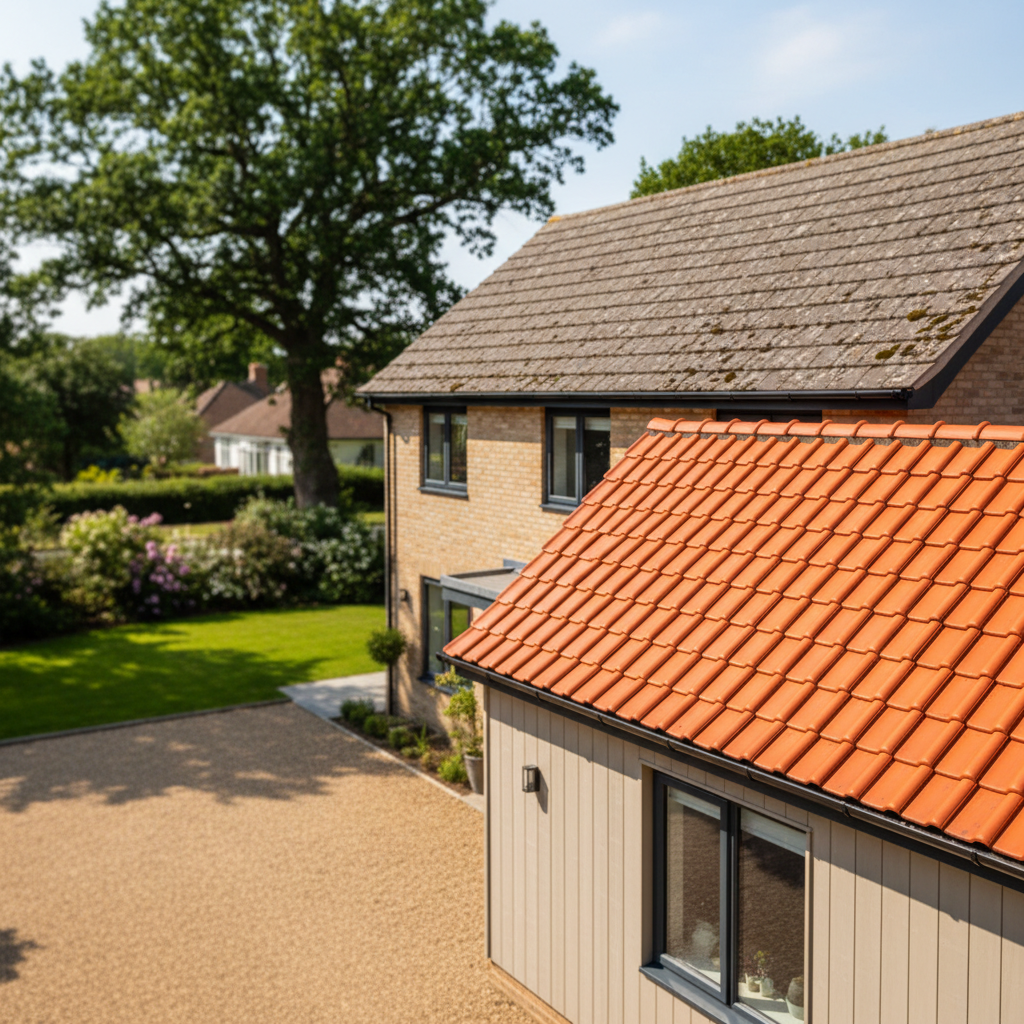
When you build an extension in Derby or Nottingham, the goal is usually to make the new part of the house look like it has always been there. Most builders get the brickwork right. They might even get the window frames to match. But the roof is where things often fall apart.
I have seen hundreds of extensions where the new roof is just a shade off from the original. It might be a slightly different texture or a different profile. It sounds like a small detail, but you will notice it every time you pull into your driveway. A mismatched roof screams extension. A perfectly matched roof looks like a home.
After 20 years of working on roofs across the East Midlands, I can tell you that matching tiles is as much an art as it is a trade. It is not just about grabbing something off the shelf at a local merchant. It requires a bit of detective work and a deep understanding of how materials age.
Why Rare Tiles Are So Hard to Find
Derby and Nottingham are full of character properties. We have everything from Victorian terraces to mid-century semis. Many of these houses use tiles that are no longer in mass production.
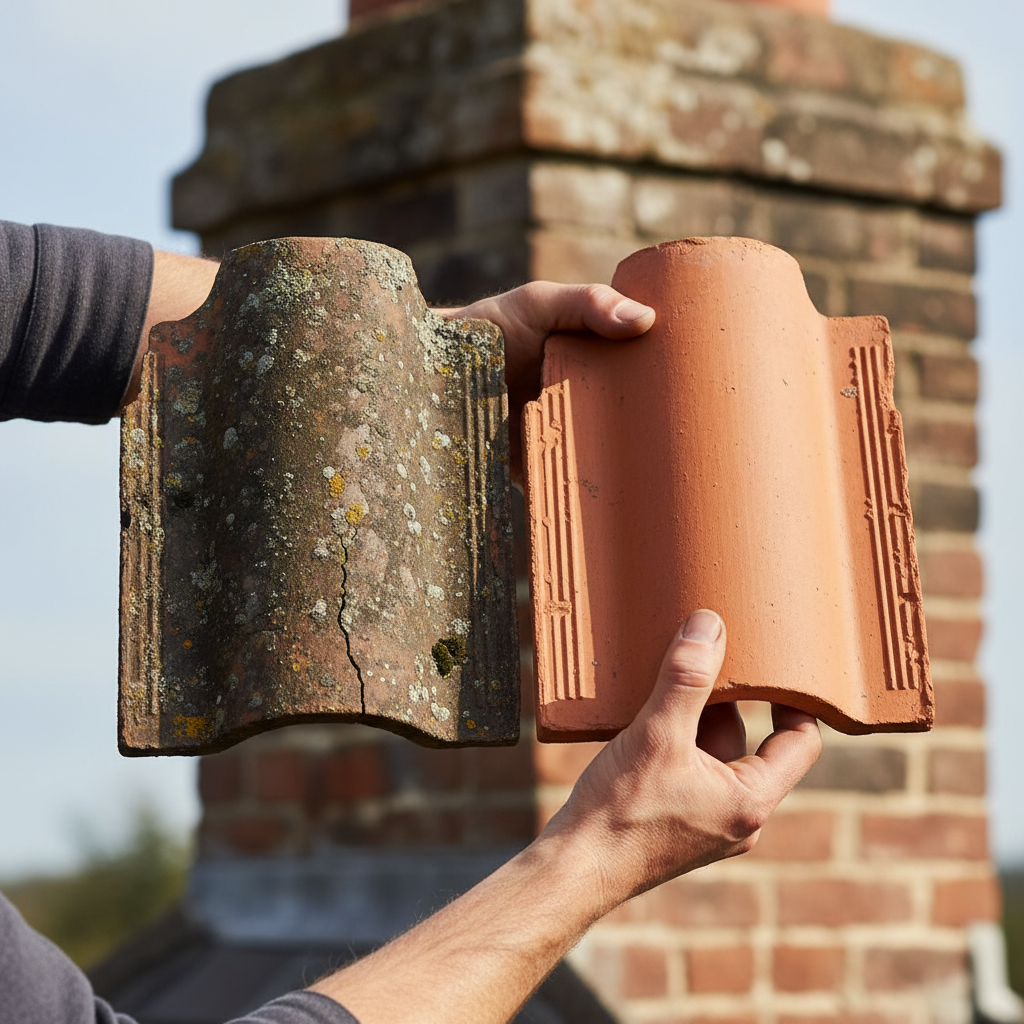
Manufacturers go out of business. Molds change. Even if a specific tile is still being made, the clay source might have moved, resulting in a different natural hue. Then you have the biggest factor of all: weathering. A tile that has sat on a roof in Leicester for forty years will not look like a brand new tile from the factory, even if it is technically the same model.
We often deal with Rosemary tiles, old concrete marley tiles, and reclaimed slates. Each has its own personality. If you just slap new versions next to the old ones, the contrast is jarring.
Our Process for a Perfect Match
We do not guess. When we take on a project involving an extension or a significant repair, we follow a specific process to ensure the transition is invisible.
First, we identify the exact make and model. Sometimes the branding is stamped on the underside of a loose tile. Other times, we have to rely on the dimensions and the nib placement. Once we know what we are looking for, we decide whether to go for new or reclaimed.
Reclaimed tiles are often the best bet for older homes. They have already faced decades of British rain and sun, so they have that natural patina that new tiles lack. We spend a lot of time visiting specialist yards across the East Midlands to find batches that come from the same era as your home.
Common Mistakes Homeowners Make
Most people assume that a tile is just a tile. They see something similar at a DIY store and think it will do. Here is what usually goes wrong:
- Ignoring the Gauge: Different tiles have different overlap requirements. If the gauge does not match your existing roof, the rows will not line up horizontally.
- Weight Issues: Some modern replacements are significantly heavier or lighter than the originals. This can put unnecessary stress on your roof timbers.
- Weathering Differences: New concrete tiles often lose their surface coating over time, changing colour. If you do not account for this, your roof will look worse five years from now than it does today.
- Incorrect Fittings: Ridges and hips need to match too. Using a modern dry-ridge kit on a traditional clay tile roof often looks out of place.
The Blending Technique
Even when we find a great match, there is a trick to making it look natural. We call it blending.
Instead of having a hard line where the old roof ends and the new extension begins, we often take some of the original tiles from the main house and mix them into the new section. We then pepper the new tiles back into the old roof. This breaks up the visual boundary. The eye cannot find a specific point where the materials change, which creates a much smoother transition.
It takes more time. It involves moving more tiles than strictly necessary. But the result is a roof that looks unified.
Working in Derby, Nottingham, and Leicester
Every area has its own quirks. In parts of Nottingham, we see a lot of specific clay pantiles that were popular during certain building booms. Over in Derby, we might encounter more slate work or heavy concrete tiles from the seventies.
Knowing the local housing stock helps us narrow down where to look for replacements. We have built relationships with reclamation yards across these three cities over the last two decades. If a tile exists, we usually know who has a pallet of them tucked away in a corner of their yard.
Why Expertise Matters for Leaks
Tile matching isn't just for extensions. It is vital for repairs too. If you have a roof leak, you want the repair to be permanent and invisible. Replacing a few cracked tiles with the wrong type can actually create new gaps where water can get in.
When we fix a leak, we ensure the replacement tiles lock in perfectly with the surrounding ones. This maintains the structural integrity of the roof and keeps the water out. A patch job that looks like a patch job is often a sign of rushed work.
Final Thoughts on Your Extension
If you are planning an extension, do not leave the roofing choice until the last minute. The roof is a massive part of your home's kerb appeal. Start looking at tile options as soon as the plans are drawn up.
If you are worried about finding a match for a rare or discontinued tile, get in touch. We have seen just about everything in the last 20 years. We can help you identify what you have and find the best way to match it, whether that is through sourcing reclaimed materials or using modern alternatives that mimic the old style.
It is better to spend a little more time getting the match right than to spend the next twenty years regretting a roof that doesn't quite fit.