
Loft Repairs: Fixing Leaks and Damaged Timbers
Sam R.·Sep 15, 2026
The hidden issues in your loft space
Most homeowners in Derby and Nottingham only head into the loft twice a year to dig out suitcases or Christmas decorations. Because it is out of sight, small problems stay hidden until they become expensive disasters. A tiny damp patch on a rafter might look harmless, but it is often the first sign that your roof is failing.
We have spent 20 years climbing into cold, dark roof spaces across Leicester and the surrounding areas. In that time, we have seen it all. The reality is that your loft is the frontline of your home's defense against the British weather. When the loft is healthy, the house stays dry. When it is neglected, you start seeing peeling paint on bedroom ceilings and smelling that unmistakable musty scent of rot.
Why loft condensation is a silent killer
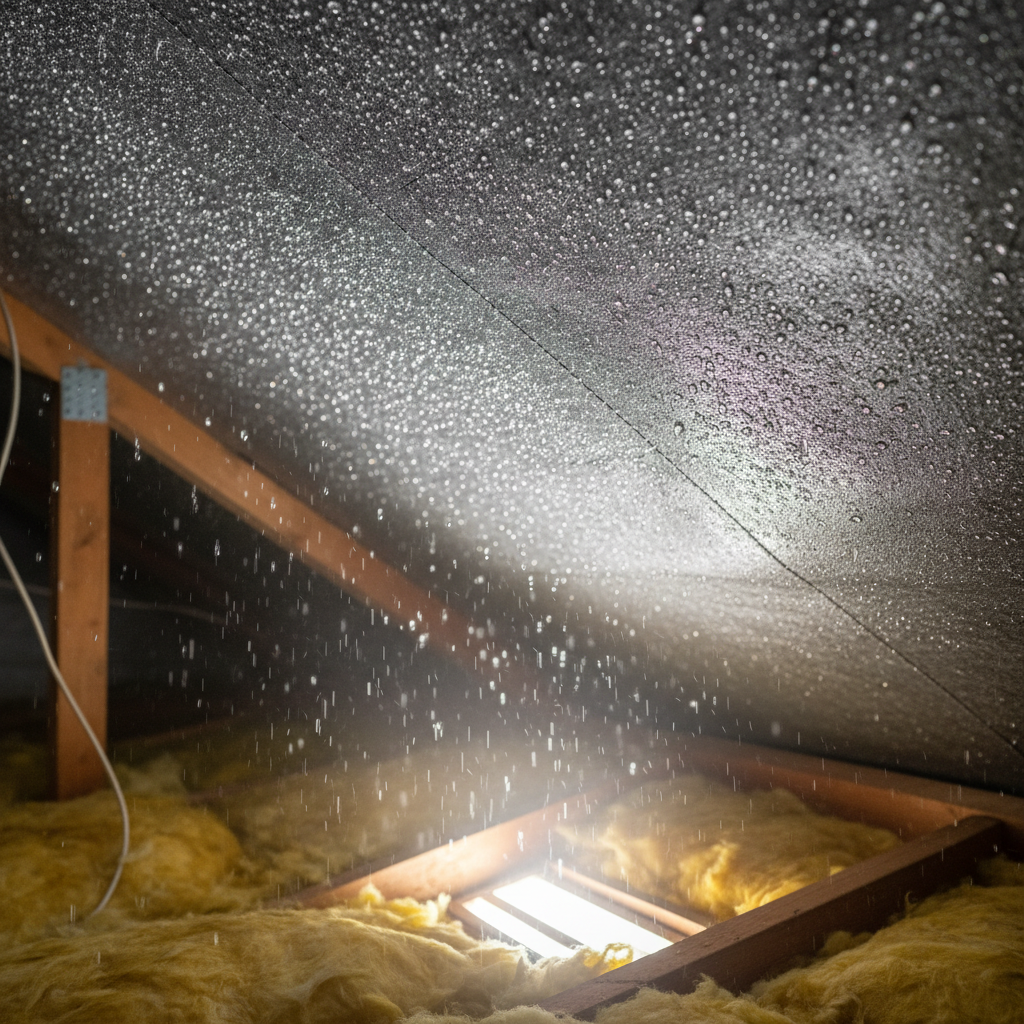
People often assume a wet patch in the loft means a tile has blown off. While that is common, the problem is frequently coming from inside the house. Modern living involves a lot of moisture. Cooking, showering, and drying clothes on radiators all create steam. If your loft lacks proper ventilation, that warm air rises, hits the cold underside of your roof felt, and turns into water droplets.
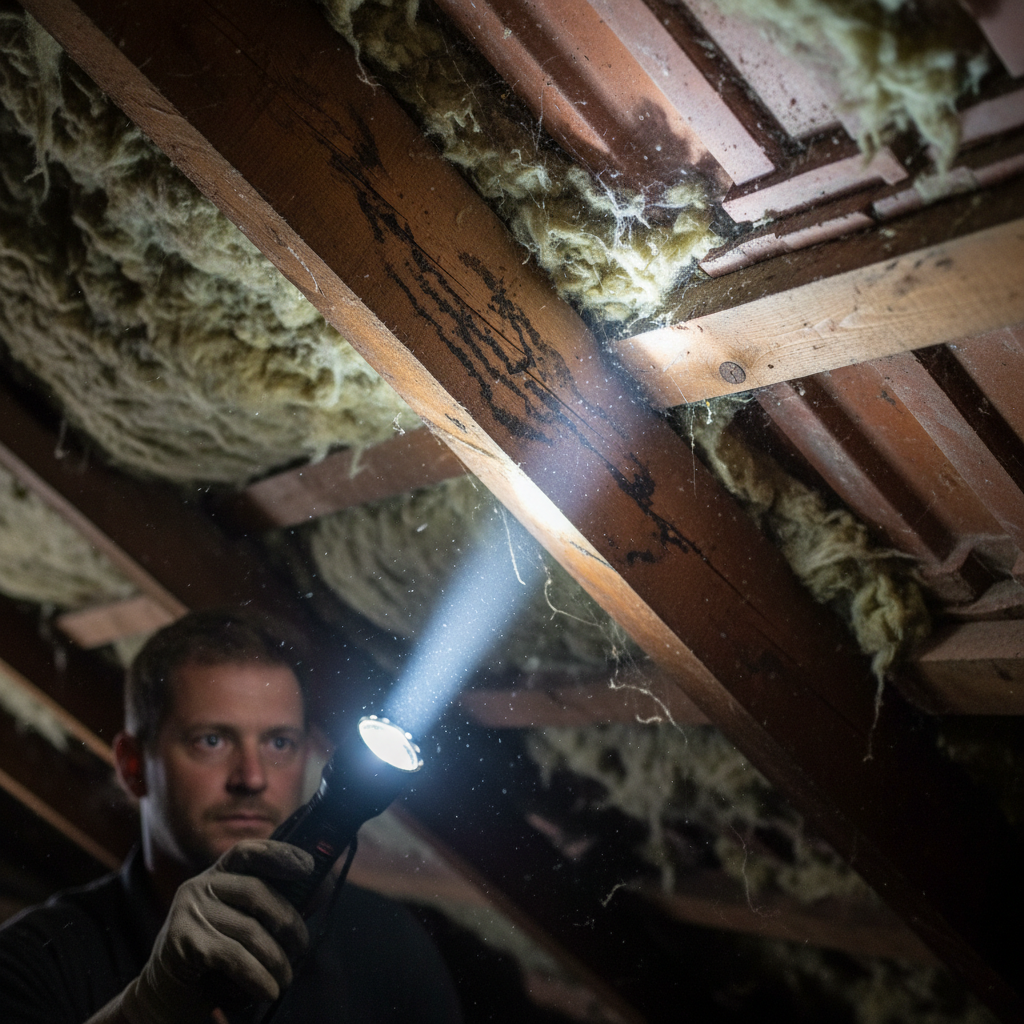
This is condensation, and it is just as damaging as a leak. It soaks into the insulation, making it useless. Even worse, it sits on your wooden joists. Over time, this constant dampness leads to wood rot. If you notice black spots on your timbers or if the roofing felt feels slimy to the touch, you have a ventilation crisis that needs fixing immediately.
Identifying structural timber damage
Your roof structure relies on a network of beams and rafters. These are incredibly strong, but they are not invincible. We often get calls from homeowners who notice their roofline looks a bit wavy from the street. This usually points to a problem inside the loft.
Here are the most common signs that your loft timbers need professional attention:
- Visible sagging in the horizontal beams or rafters.
- Deep cracks or splits appearing along the grain of the wood.
- Soft, spongy sections of timber that you can indent with a fingernail.
- White, fuzzy fungal growth or orange dust, which signals dry rot.
- Small, neat holes that suggest woodworm activity.
If you spot any of these, don't wait. A roof that has started to sag is under immense stress. The weight of the tiles is pushing down on weakened wood, and a heavy snowfall or a bad storm could be the breaking point. We have seen rafters that looked fine from a distance but were actually hollowed out by rot. Getting a professional to look at the structural integrity is the only way to be sure your home is safe.
The problem with old roofing felt
If your house was built several decades ago, it likely uses traditional bitumen felt. This is the thick, black, paper-like material under your tiles. While it was the standard for years, it has a shelf life. As it ages, it becomes brittle. It starts to crack and flake away, especially around the eaves.
When this happens, you lose your secondary line of defense. If a tile slips or breaks during a Leicestershire gale, the felt is supposed to carry that water down into the guttering. If the felt is perished, the water goes straight onto your ceiling joists. Replacing sections of felt or upgrading to a modern breathable membrane is a common repair that saves thousands in the long run.
Dealing with pests and insulation
Loft repairs aren't always about the wood and tiles. Sometimes the issue is what is living in there. Squirrels, birds, and mice love a quiet loft. They don't just make noise; they cause physical damage. They chew through electrical wiring and pull apart insulation to make nests.
If your insulation has been trampled down or moved, you are losing heat. Most older homes have insulation that is far thinner than current recommendations. Part of a proper loft repair involves ensuring the insulation is thick enough to keep your bills down, but positioned correctly so it doesn't block the airflow at the eaves. It is a delicate balance that many DIY attempts get wrong.
When to call in the experts
Some minor tasks, like moving a few boxes away from a vent, are easy for a homeowner. However, most loft repairs involve structural components or working at height. Trying to patch a leak from the inside is rarely a permanent fix. You might stop the drip for a week, but the water will just find another path.
We focus on finding the root cause. Whether it is matching specific tiles in Nottingham to fix a localized leak or reinforcing rafters that have seen better days, we use our two decades of experience to ensure the repair lasts. We have seen far too many 'quick fixes' turn into full roof replacements because the initial damp issue was ignored.
Final thoughts on loft maintenance
A quick check of your loft once a month can save you a massive headache. Take a torch, look for daylight peeking through where it shouldn't be, and check for damp smells. If anything looks out of place, getting an expert opinion early is the smartest financial move you can make for your property. Staying on top of these small repairs keeps your home warm, dry, and structurally sound for years to come.