
How to Spot Hidden Roof Leaks Before They Cause Damage
The On the Roofing Team·May 28, 2026·Updated Sep 9, 2026
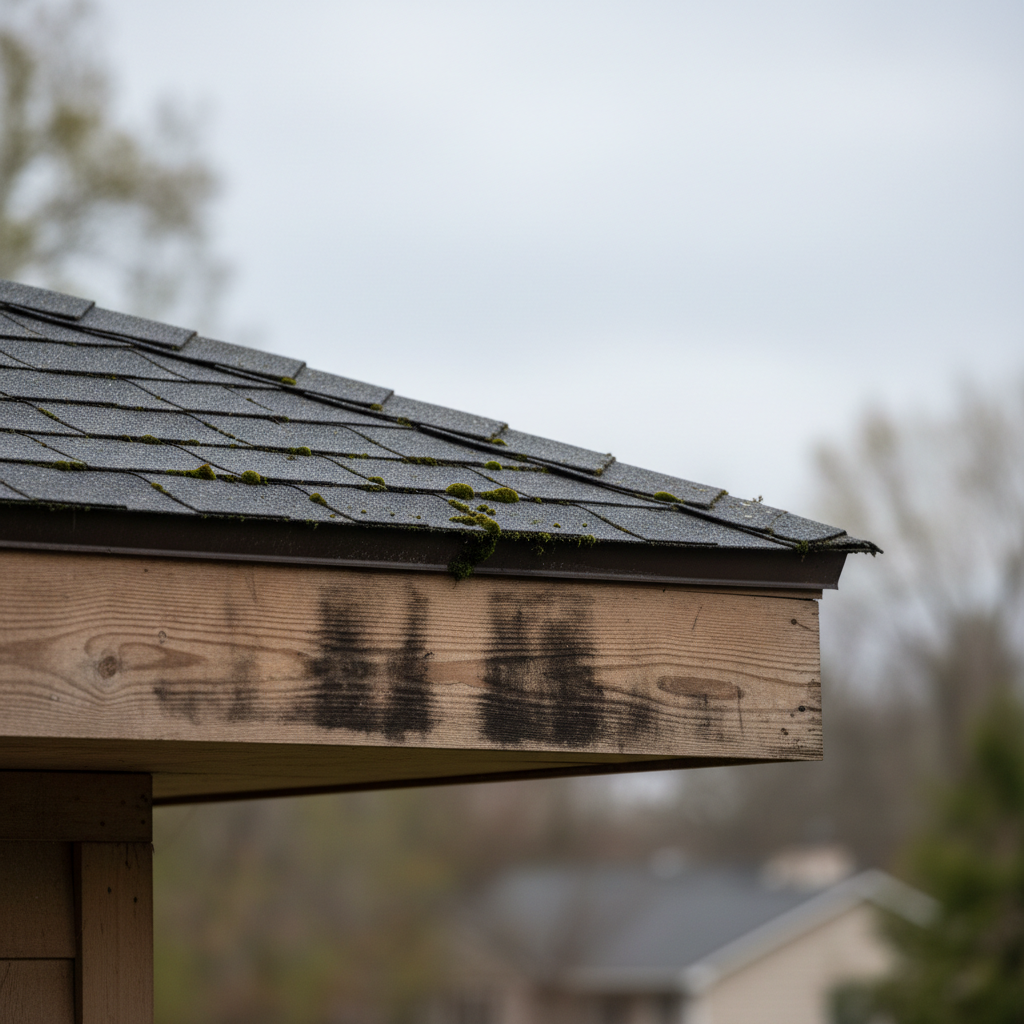
The hidden cost of waiting
Most homeowners in Derby and Nottingham don't think about their roof until water is literally dripping onto the carpet. By that point, you aren't just paying for a roof repair. You are paying for new plasterboard, insulation, and potentially treating timber rot.
Finding a leak early is the difference between a quick afternoon fix and a massive headache. After 20 years in the trade, we have seen how these small issues hide in plain sight. Here is how you can spot them before the next big storm hits.
Start in the attic (even if it's dusty)
The best way to find a leak isn't actually looking at the tiles from the garden. It is getting up into your loft space with a powerful torch. You want to do this during a heavy downpour or immediately after one.
Look for these specific red flags:
- Damp insulation: If your insulation looks matted, crusty, or discoloured in one specific area, water is getting in directly above it.
- Dark staining on rafters: Water travels. It might enter at the ridge but run down a timber beam before dripping. Look for dark streaks or white, salty deposits on the wood.
- The smell of mildew: If your loft feels unusually humid or smells earthy, there is moisture trapped somewhere.
- Light shining through: If you turn off your torch and see pinpricks of daylight, you have a clear entry point for rain.
The exterior check from the ground
You don't need to climb a ladder to do a basic inspection. Grab a pair of binoculars and take a walk around your property in Leicester or Derby.
Check your roofline for any tiles that look slightly 'off'. Even a single tile that has slipped by an inch creates a gap for driving rain. Pay close attention to the valleys (where two roof sections meet). These areas handle the highest volume of water and are the most common failure points when the leadwork gets old or cracked.
Chimney stacks are another culprit. The flashing around the base of a chimney is meant to be watertight, but over time, the mortar can crumble. If you see weeds or moss growing out of the side of your chimney, it is a sign that moisture is sitting where it shouldn't be.
The 'Ghost Leak' and tile matching
Sometimes you see a damp patch on a bedroom wall, but the roof looks fine. This is what we call a ghost leak. It often happens because a single tile is cracked in a way that isn't visible from the ground, or a previous repair used the wrong type of tile that doesn't interlock properly.
One thing we have learned over the last two decades is that roof tile matching isn't just about aesthetics. If a replacement tile doesn't sit perfectly flush with its neighbours, it creates a capillary action where water is sucked underneath the surface. We always make sure to source exact matches for Derby and Nottingham homes to prevent this specific issue.
Why 'small' leaks are a big deal
It is tempting to put off a repair if the leak only shows up during a massive storm. However, that water is going somewhere every time it rains. It soaks into your roof timbers, which can eventually lead to dry rot. Dry rot is an expensive nightmare because it spreads through the fabric of your home.
Constant moisture also attracts pests. Damp wood is much easier for insects to tunnel into than dry, seasoned timber. By fixing a small leak now, you are protecting the structural integrity of your entire house.
What to do if you find something
If you spot a damp patch or a slipped tile, don't wait for the next rainy season to see if it gets worse. It will.
Clear your gutters first. Sometimes a 'roof leak' is actually just a blocked gutter overflowing back under the eaves. If the gutters are clear and you still see signs of moisture, it is time to get a professional look at it.
We have spent 20 years helping homeowners across Leicester, Nottingham, and Derby keep their homes dry. Whether it is a simple tile replacement or a tricky leak that nobody else can find, getting it sorted early is always the smartest move for your wallet.