
Nottingham Roof Leaks: Why One Damp Patch Matters
The On the Roofing Team·Jul 20, 2026
The hidden reality of a small ceiling stain
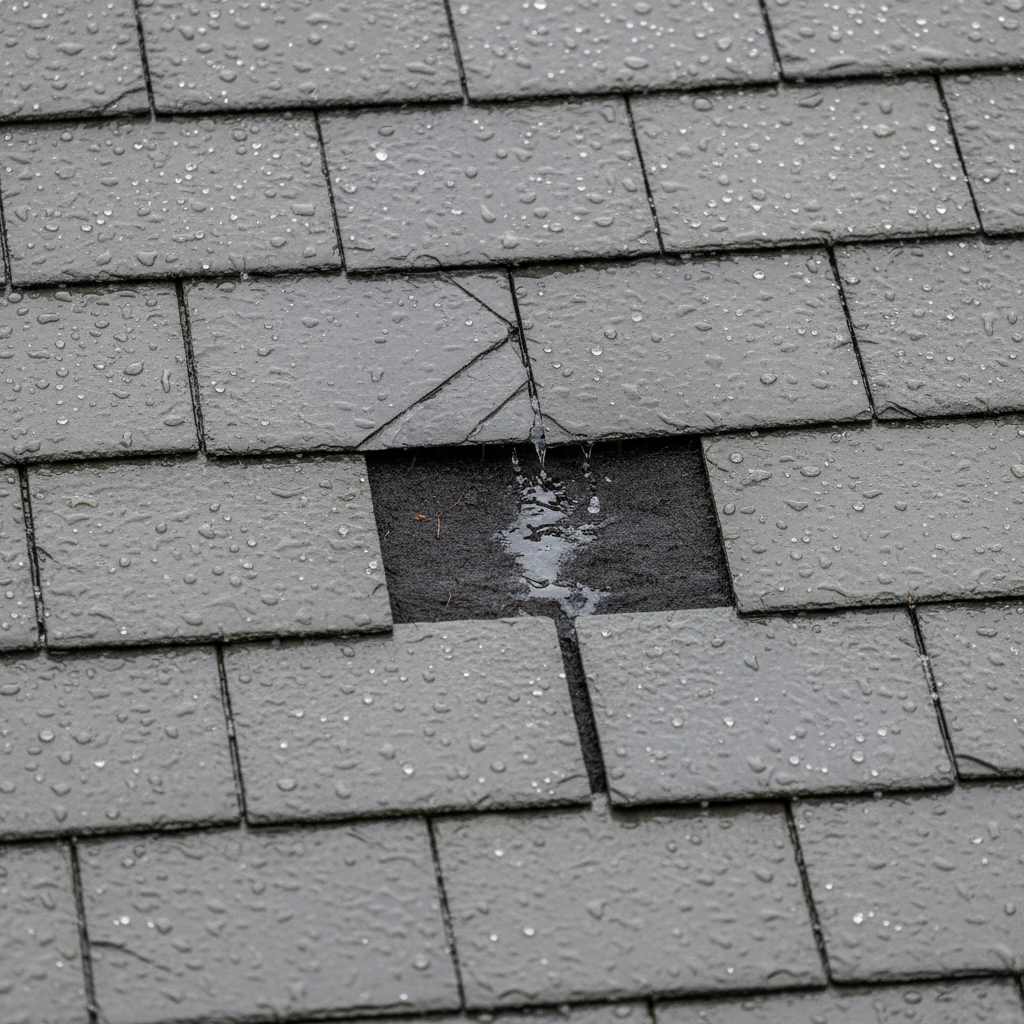
Most homeowners in Nottingham see a small, faint yellow circle on their bedroom ceiling and think they can deal with it next summer. It looks harmless. It might even dry out when the rain stops for a few days. But that spot is just the visible tip of a much larger issue.
In my 20 years of experience fixing roofs across the East Midlands, I have seen how quickly a minor leak turns into a structural nightmare. Water follows the path of least resistance. By the time it has soaked through your insulation, dripped onto the plasterboard, and created a visible stain, it has already caused unseen damage to your rafters and joists.
Waiting is the most expensive thing you can do. A small leak is usually a simple fix, perhaps a cracked tile or a slipped bit of flashing. A neglected leak becomes a full roof installation project.
Why gravity is your enemy
Water does not just fall straight down. It travels along timber beams, runs down electrical conduits, and pools in areas far away from the actual hole in your roof. This makes roof leaks incredibly deceptive. You might see a damp patch in the corner of your living room, but the actual entry point could be six feet away near the chimney stack.
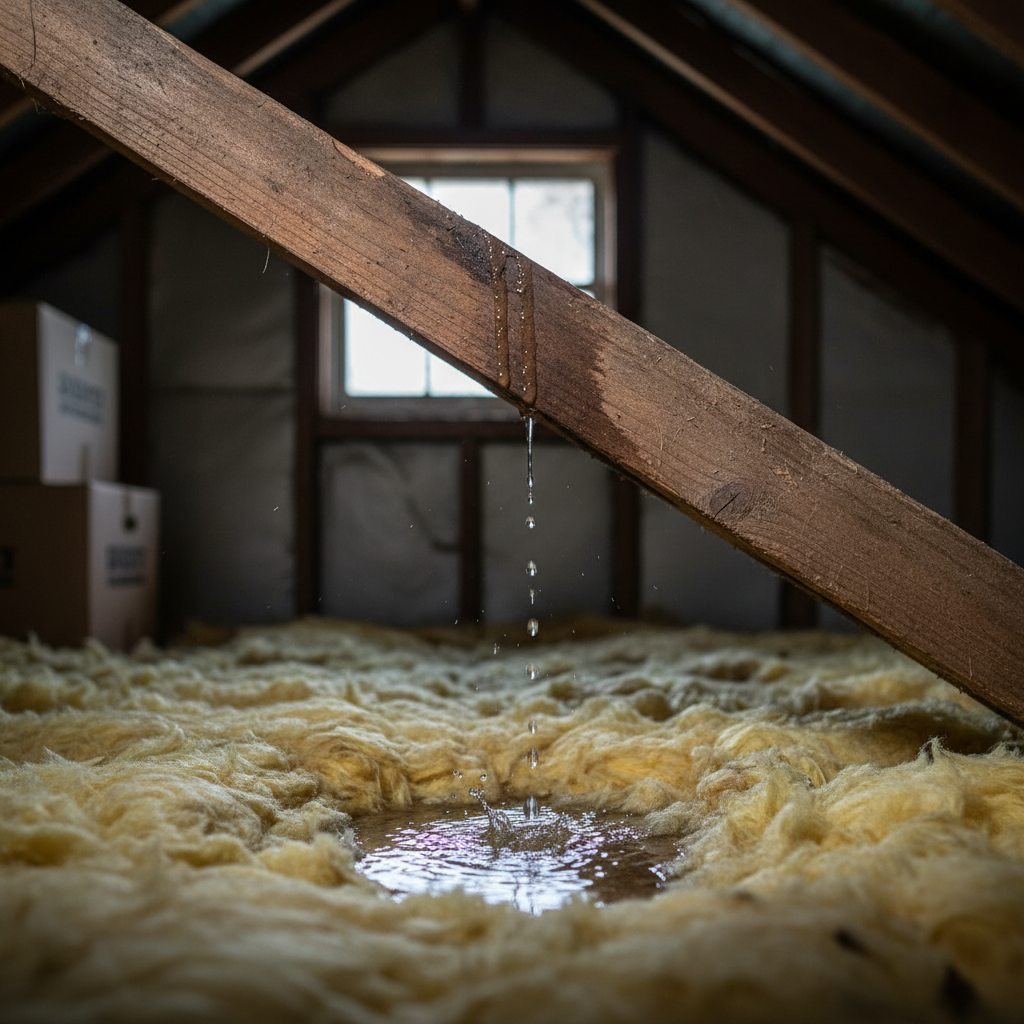
When water gets into your attic, it hits the insulation first. Modern loft insulation acts like a giant sponge. It will hold onto that moisture for weeks, keeping it pressed against your wooden ceiling joists. This constant dampness creates the perfect environment for wet rot. Once rot sets in, the timber loses its structural integrity.
The specific challenges for Nottingham homes
Nottingham has a huge variety of housing stock, from Victorian terraces to modern builds in areas like West Bridgford or Beeston. Many of the older properties still use original clay tiles. These tiles are durable, but they become brittle over two decades.
When we go out for roof tile matching in Nottingham, we often find that a single damp patch was caused by one tile that finally gave up. However, that one tile has allowed enough water in to ruin the lath underneath.
Here is what is usually happening behind the scenes when you spot a leak:
- Timber decay: The wooden batten holding your tiles starts to soften and fail.
- Mould growth: Black mould can begin to grow within 48 hours of moisture exposure, affecting your air quality.
- Saturated insulation: Wet insulation loses its ability to keep your home warm, leading to higher heating bills.
- Electrical risks: Water tracking down walls can find its way into light fittings or socket boxes.
- Plaster failure: Eventually, the weight of the water will cause the plasterboard to sag and collapse entirely.
The cost of hesitation
I often talk to people who regret waiting. They thought they were saving money by not calling a roofer for a small job. The reality is that a quick repair to replace a few tiles or reseal a valley is a fraction of the cost of a full ceiling replacement and timber treatment.
If you see a patch, check your attic immediately. Take a torch up there during a heavy rainstorm. If you see tracks of water on the rafters or a damp smell, the internal damage has started.
Why tile matching is vital for repairs
One mistake I see often is homeowners trying a DIY fix with whatever tiles they find at a local yard. If the tile does not lock perfectly with your existing roof, the leak will return within months.
We focus heavily on roof tile matching because a secure roof depends on a uniform fit. If the profile is slightly off, wind-driven rain will find its way underneath. It might look okay from the ground, but the felt underneath will be taking the brunt of the weather, and felt is not designed to be the primary waterproof barrier forever.
Signs you need to act now
Beyond the obvious damp patch, there are other red flags Nottingham residents should look for.
Look at your gutters. If you see bits of broken tile or a lot of grit, your roof covering is deteriorating. Look at your ceilings for bubbling paint or a musty smell that does not go away with ventilation. These are all cries for help from your home's structure.
In many cases, we can extend the life of an older roof simply by catching these small leaks early. We don't always need to talk about full installations. Sometimes, it is just about maintaining what you have before the weather does its worst.
Professional assessment vs. guesswork
It is tempting to climb up a ladder and have a look yourself. I generally advise against this, not just for safety, but because an untrained eye misses the subtle signs. A hairline crack in a valley liner or a perished rubber seal on a vent pipe can be almost invisible unless you know exactly what you are looking for.
We have spent two decades looking at roofs in Derby, Nottingham, and Leicester. We know how the local weather patterns hit certain types of buildings. That experience means we find the source of the leak quickly, fix it, and ensure the damp patch does not become a hole in your ceiling.
Don't let a small yellow stain turn into a major structural bill. It is much easier to fix a tile today than it is to replace a roof tomorrow.