
Roof Tile Matching for Derby Terrace Roofs
Sam R.·Oct 2, 2026
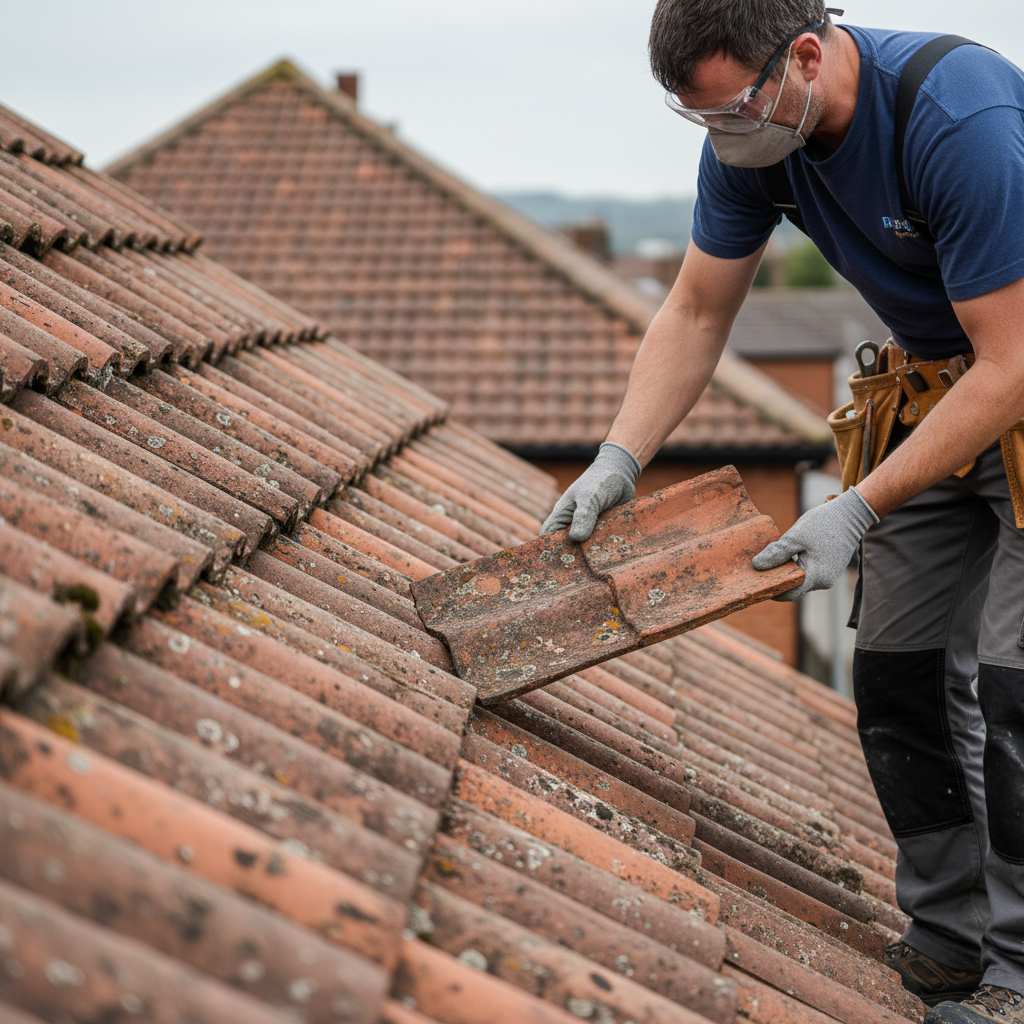
Why matching tiles is harder than it looks
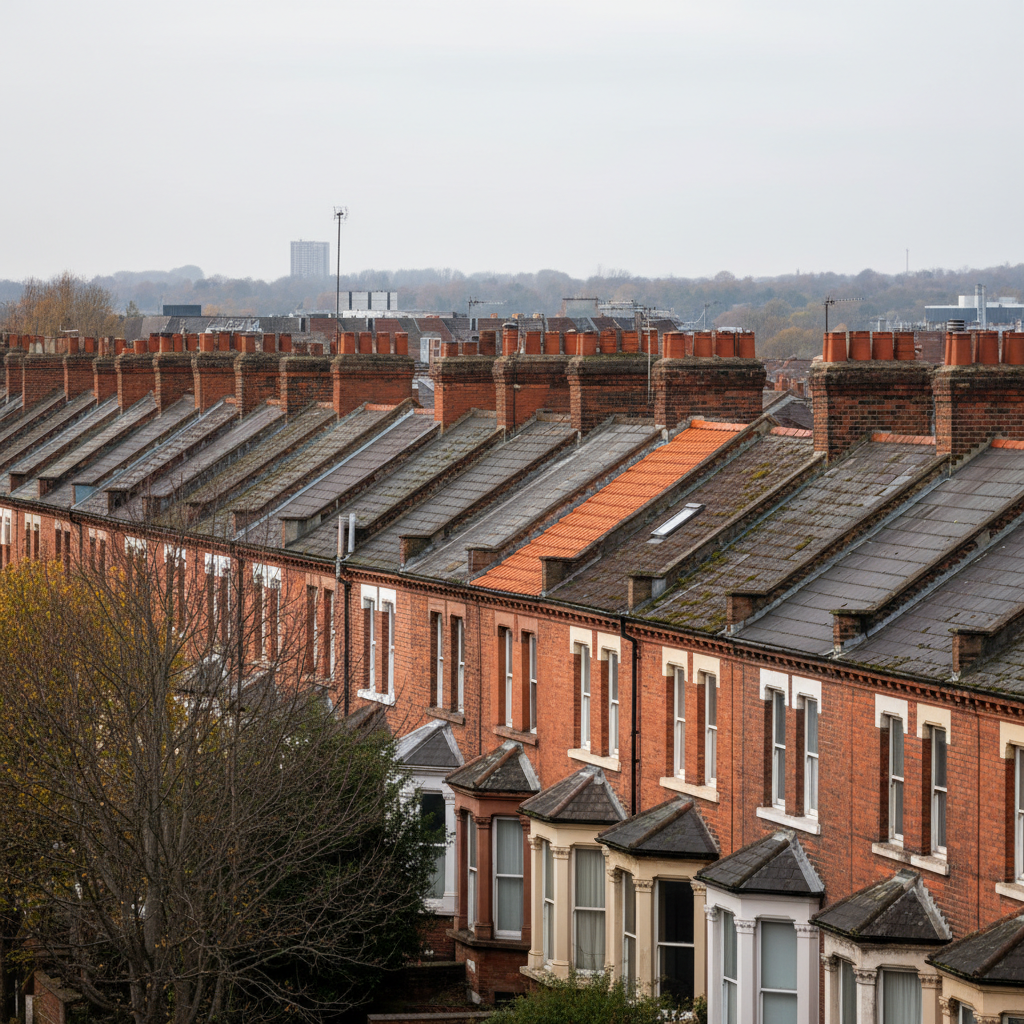
If you live in a terrace house in Derby, you probably know that these buildings have a specific character. Most were built using materials sourced from local kilns that have been closed for decades. When a few tiles slip or break, you can't just nip to a modern builder's merchant and grab the first red or grey tile you see. It won't work. The depth, the camber, and the way the weather has treated the surface over eighty years means a modern equivalent often sticks out like a sore thumb.
We see this a lot when we are out on jobs. A homeowner has had a quick patch-up job done by someone who used whatever was left in the back of their van. From the street, you can see exactly where the repair happened. It looks patchy. But the real problem isn't just the aesthetic. It is how those tiles sit together. If the interlocking mechanism or the thickness doesn't line up perfectly, you are basically inviting water to find a way in.
The specific challenges of Derby terraces
Derby has a rich architectural history, especially around areas with dense Victorian and Edwardian terracing. The roofs here often use Rose Hill clays or specific Staffordshire blues that have aged in a very particular way. Because these houses are joined together, the roofline is one continuous visual element. When your section of the roof has mismatched tiles, it affects the kerb appeal of the entire row.
In our twenty years of experience, we have found that the biggest mistake people make is assuming all 'terracotta' or 'slate' tiles are the same. They aren't. Even a millimetre difference in the nib height can cause a tile to sit slightly proud. That small gap is all a bit of wind-driven rain needs to get under the felt. Once the water is under there, your battens start to rot, and a small repair turns into a full roof installation project.
What we look for during a match
When we come out to look at a leak or a damaged section in Derby, we don't just guess. We look at several factors to ensure the replacement is right.
- The Material Composition: Is it a machine-made clay, a handmade clay, or a concrete substitute from a later renovation?
- The Weathering Pattern: Has the tile developed a soot-like patina from old coal fires, or has it bleached in the sun?
- The Profile: Does it have a deep roll, a flat surface, or a specific interlocking groove?
- The Dimensions: Width and length are obvious, but the thickness of the leading edge is what prevents 'kicking' when the tiles are laid.
Getting these four things right is the difference between a repair that lasts thirty years and one that fails during the next storm. We spend a lot of time sourcing reclaimed tiles for this very reason. Often, the best tile for a 1920s terrace in Derby isn't a new one. It is a salvaged one that has already done fifty years of service and matches the density of your existing roof.
The impact on your property value
It might seem minor, but surveyors notice mismatched tiles. If you ever decide to sell your home, a patchy roof is a red flag. It suggests to a buyer that the maintenance has been done on the cheap. They start wondering what else has been bodged. By investing the time to find a specific match, you are protecting the structural integrity of the house and its market value.
In places like Nottingham and Leicester, we see similar issues with regional variations in clay. However, Derby's terraces have a very specific grit and colour palette. Using a tile meant for a house in the south of England will look orange and garish against the muted, deeper reds of a local Derby street. It just doesn't sit right.
How we handle roof leaks and repairs
When a leak happens, the temptation is to fix it as fast as possible. We understand that. Nobody wants buckets in their bedroom. But rushing the material choice is a short-term fix. Our approach is to secure the roof first to stop the water, then take the time to source the exact match.
Sometimes, this means visiting specialist salvage yards or drawing from our own stock of reclaimed materials we have collected over two decades. It takes more effort, but the result is a roof that looks like it has never been touched. That is the standard we aim for.
Why local expertise matters
Working across Derby, Nottingham, and Leicester has taught us that every neighbourhood has its own 'roofing DNA'. A terrace in one part of town might use a completely different batch of tiles than one half a mile away, simply because of which brickyard was supplying the builder at that specific time.
If you are worried about a leak or you can see a tile has slipped, don't just ignore it. And don't let someone throw a 'near enough' tile on there. It usually ends up costing more in the long run when you have to pay someone else to do it properly. We have built our reputation on getting these details right because we know that for a homeowner, the roof is the most important part of the building's envelope.
Ultimately, a good roof should be invisible. You shouldn't notice the repairs, and you shouldn't have to think about it when it rains. Achieving that takes a bit of patience and a lot of experience in tile matching. If your terrace roof needs attention, it is always worth doing the job properly the first time.