
Roof Tile Matching for Derby Period Homes
Sam R.·Jun 26, 2026
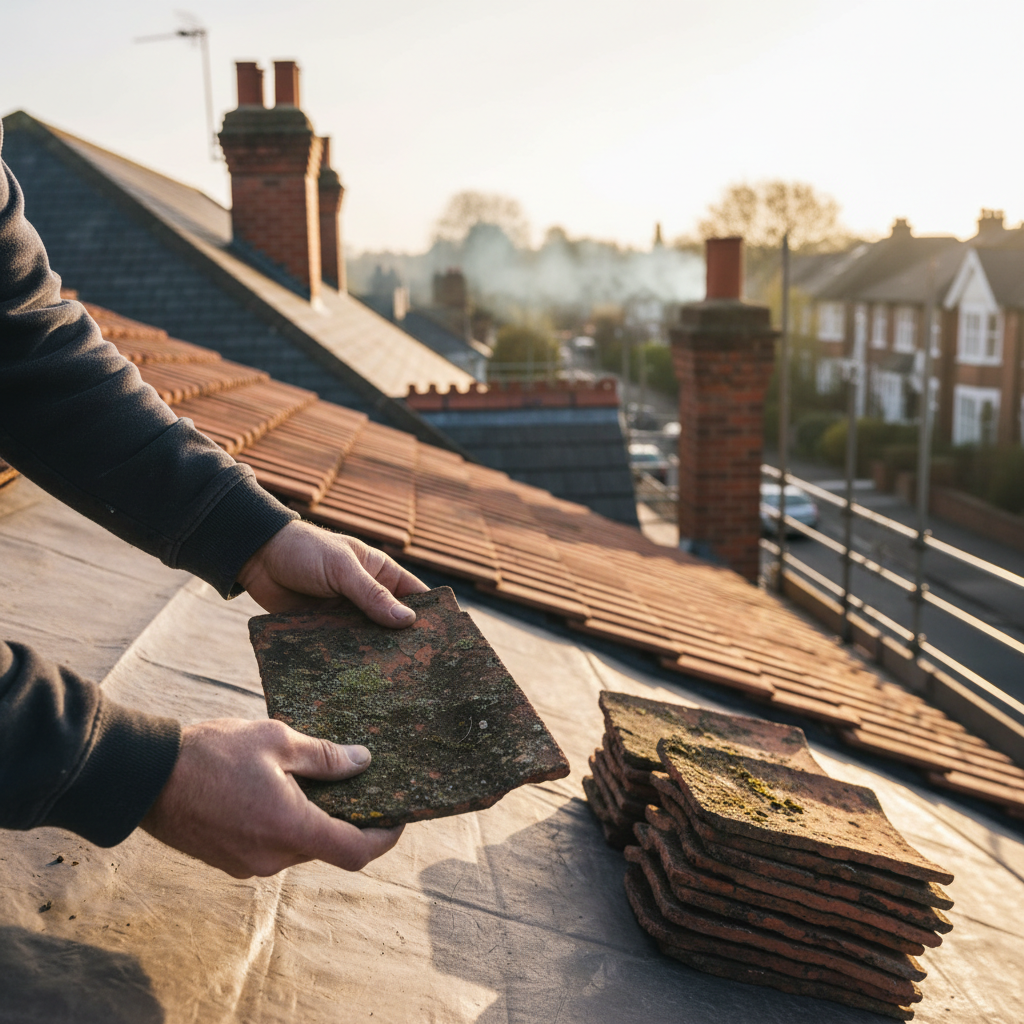
The Challenge of Maintaining Derby's Historic Roofs
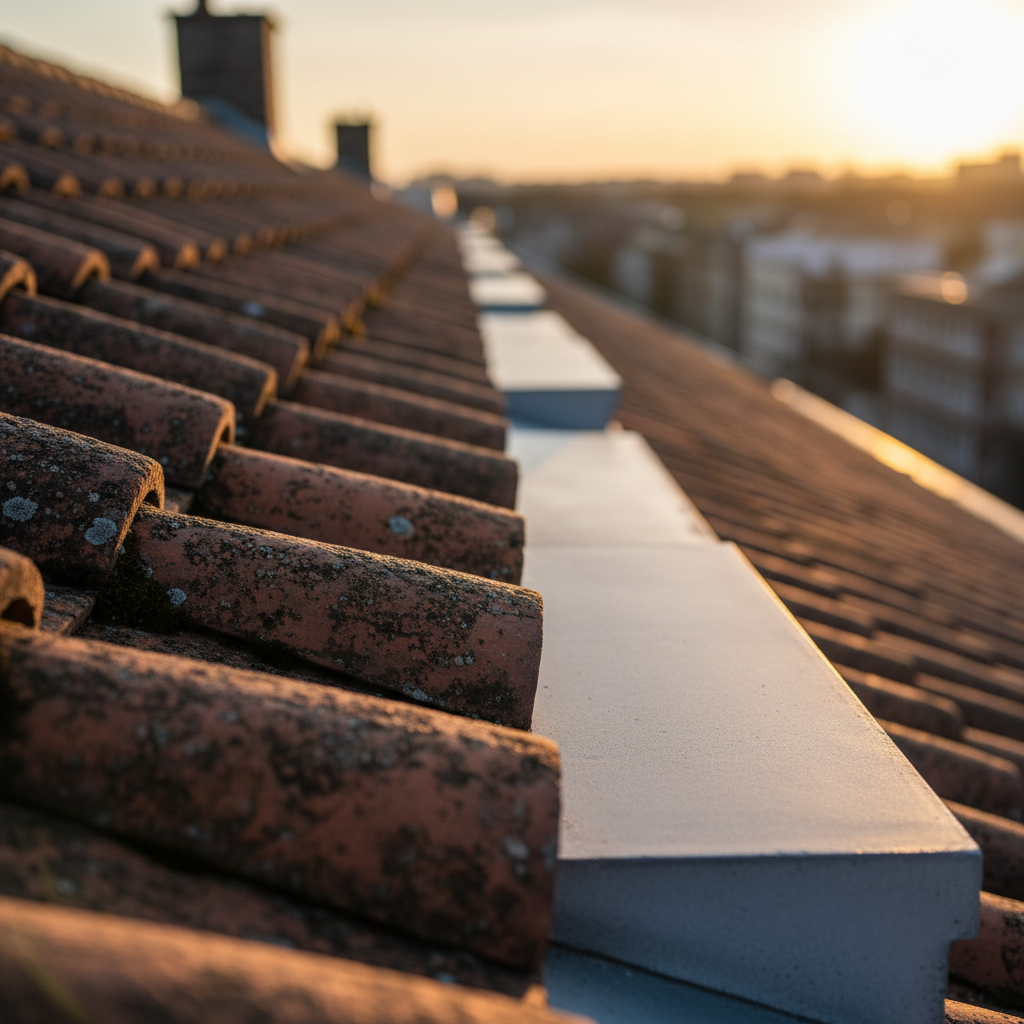
If you own a Victorian terrace in Chester Green or a 1930s semi in Mickleover, you know that these houses have a specific character. Part of that charm comes from the roof. Over twenty years of working on roofs across Derby, Nottingham, and Leicester, I have seen what happens when a quick fix goes wrong.
Most homeowners don't think about their roof tiles until a storm hits or a leak appears. When a few tiles crack or slip, the temptation is to grab whatever is available at the local builders' merchant. This is usually where the trouble starts. Period homes in Derby often use materials that haven't been in mass production for decades. If you slap a modern, machine-made tile next to a hand-pressed clay one from the early 1900s, it sticks out.
It isn't just about being picky. A poorly matched roof can actually devalue your property and, in some cases, lead to further leaks because the interlocking mechanisms don't quite line up.
Why Colour Isn't the Only Factor
When people talk about tile matching, they usually think about colour. They want a red tile to match a red roof. But in reality, colour is often the easiest part to get close to. The real difficulty lies in the texture, the weathering, and the physical dimensions.
Old tiles have spent eighty years or more sitting in the Derbyshire rain and sun. They have developed a patina. A brand new tile, even if it is technically the same shade, will look bright and artificial against the rest of the roof. We spend a lot of time sourcing reclaimed materials for this exact reason.
Then there is the size. Even a few millimetres of difference in the 'gauge' (how much of the tile is exposed) can throw off the entire row. If the tiles don't sit flush, wind-driven rain can get underneath them. In a place like Derby, where the weather can turn quickly, that is a recipe for a damp attic.
The Risks of Getting it Wrong
I have walked down streets in Derby and seen roofs that look like a patchwork quilt. It's usually the result of a well-meaning DIY attempt or a contractor who was in too much of a hurry to source the right materials.
Here are a few things that happen when tiles aren't matched properly:
- Reduced Kerb Appeal: If you ever decide to sell your home, a patchy roof is a massive red flag for surveyors and buyers. It suggests the house hasn't been maintained properly.
- Structural Stress: Modern concrete tiles are often much heavier than the original clay tiles found on older Derby homes. If you replace large sections with the wrong material, you might be putting weight on the timber rafters that they weren't designed to carry.
- Water Ingress: Tiles are designed to work as a system. If the 'lap' isn't correct because the tiles are different shapes, water won't run off efficiently.
- Planning Issues: If you live in a conservation area in Derby, using the wrong materials can actually lead to fines or orders to redo the work with approved materials.
Our Approach to Tile Matching
When we handle roof leaks or repairs, we don't just show up with a generic pallet of tiles. We take the time to identify exactly what is on your roof. Is it a Rosemary clay tile? Is it a Staffordshire Blue? Is it a specific type of slate?
Because we have been doing this for 20 years, we have built up a network of reclamation yards across the East Midlands. If we can't find a new tile that fits perfectly, we look for salvaged ones that have the same age and weathering as your existing roof. This is the only way to ensure the repair is invisible.
Most people are surprised by how much effort goes into this. They think a tile is just a tile. But for us, it's the difference between a roof that lasts another thirty years and one that needs fixing again in twelve months.
Local Knowledge Matters
Every area has its own architectural quirks. The houses in the Strutts Park conservation area have different needs than the newer builds towards Heatherton Village. Understanding the local building styles in Derby helps us anticipate what we might find when we get up on the ladder.
We often see cases where a small leak has been ignored because the owner was worried about the cost of a full roof installation. In many cases, a proper repair with correctly matched tiles can extend the life of your roof significantly. You don't always need a whole new roof; you just need someone who knows how to fix the one you have properly.
Final Thoughts on Maintenance
If you notice a tile has slipped or there is a bit of grit in your gutters, don't wait. In my experience, a single missing tile can lead to a rotted rafter within a single season if the rain gets in.
When you do get it fixed, insist on a match. Ask your roofer where they are getting the tiles from. If they say they have some 'close enough' in the back of the van, that's usually a sign to look elsewhere. Your home is likely your biggest investment, and the roof is the only thing protecting it. It's worth getting the details right.