
Roof Leak Spots Homeowners Miss During Inspections
Sam R.·Sep 29, 2026
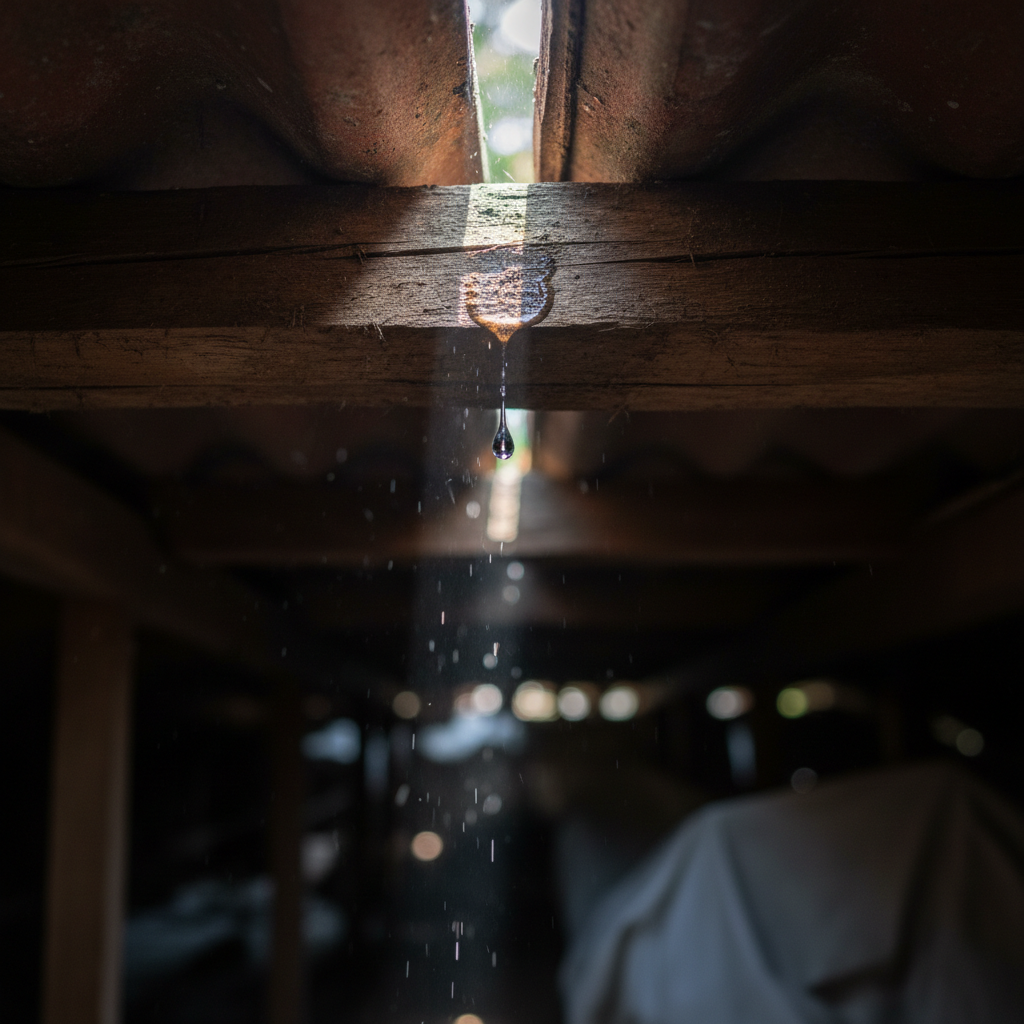
Why Roof Leaks Stay Hidden for So Long
Most people only think about their roof when they see a damp patch on the bedroom ceiling. By the time that happens, the water has likely been sitting in your attic or rotting your rafters for months. Water is sneaky. It doesn't always travel straight down. It hits a beam, runs along a joist, and drips three metres away from the actual hole.
After 20 years fixing roofs across Derby and Leicester, we've seen it all. The reality is that the most dangerous leaks aren't the big holes you can see from the garden. They're the tiny gaps in places you'd never think to look. If you wait for a visible drip, you're already looking at a much more expensive repair bill.
The Chimney Flashing Trap
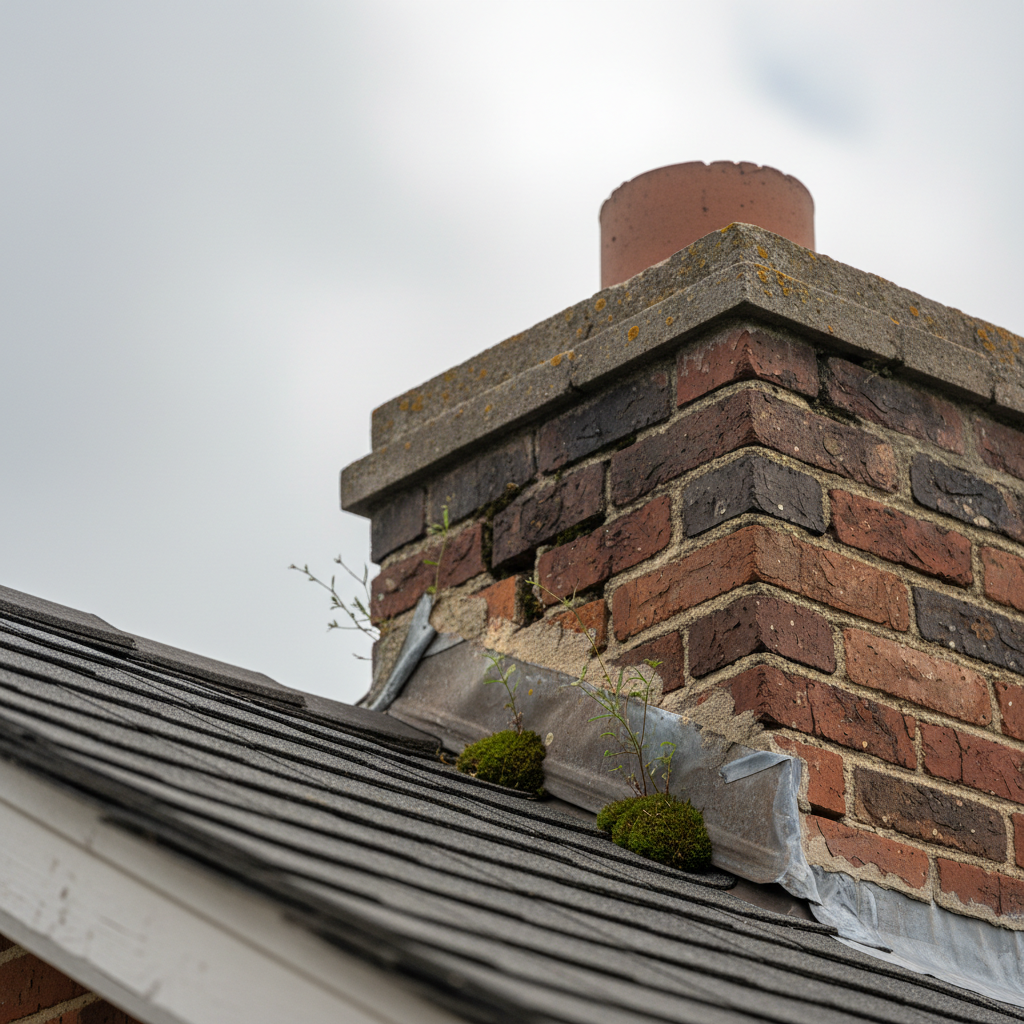
This is the big one. If your home has a chimney, that's the most likely place for a leak to start. The flashing is the metal strip that seals the gap between the bricks of the chimney and the roof tiles. Over time, the mortar holding that metal in place cracks. Small bits of debris get in, hold moisture against the metal, and eventually, it rusts through or pulls away.
When we do roof tile matching in Nottingham, we often find that the tiles are fine, but the lead work around the chimney has perished. It looks solid from the ground, but up close, there are gaps big enough to slide a coin into. During a heavy Midlands downpour, that's all the space water needs to get inside.
The Valley Gutter Problem
Valleys are the internal angles where two roof slopes meet. They carry a massive volume of water during a storm. Because they handle so much flow, they're prone to wearing out faster than the rest of the roof.
What most homeowners miss is the build up of moss and silt in these valleys. When moss grows thick, it acts like a dam. The water can't flow down into the gutter fast enough, so it backs up under the tiles. If you haven't had your valleys cleared in a few years, you're essentially asking for a leak. We see this constantly in older properties in Derby where the original lead or glass fibre valleys have started to thin out.
Hidden Issues with Roof Vents and Pipes
You probably have several pipes poking through your roof for bathroom fans or plumbing vents. Each one is a potential entry point for water. These pipes are usually sealed with a rubber boot or a plastic collar.
Sunlight is the enemy here. Over a decade of exposure, that rubber gets brittle and starts to split. You won't see these cracks from the street. You have to be right on top of them. A split collar might only let in a few drops during a light shower, which is why it goes unnoticed. But over a whole winter, those drops soak into your insulation and start growing mould.
The Overlooked Gutter Line
It sounds strange, but your gutters can cause a roof leak. If your gutters are full of leaves, the water has nowhere to go. It fills up the trough and eventually spills over the back edge.
When water spills over the back, it gets behind the fascia board and starts rotting the ends of your roof rafters. This is a nightmare because you won't see the damage until the wood is soft enough to poke a finger through. Keeping those gutters clear is the simplest way to avoid a massive structural repair.
What to Look for During Your Own Check
You don't always need to climb a ladder to spot trouble. A pair of binoculars and a walk around your garden can tell you a lot. Look for these specific warning signs:
- Tiles that look slightly tilted or out of line with their neighbours.
- Dark patches on the underside of your roof felt if you have access to the attic.
- Bits of mortar or broken tile sitting in the gutters.
- Green moss concentrated in specific areas like valleys or around the chimney.
- Water marks on the wooden rafters inside your loft space.
The Reality of Roof Tile Matching
If you do find a broken tile, don't just grab whatever is cheapest at the DIY store. In areas like Leicester and Nottingham, we have a huge variety of regional tile styles. Using the wrong tile can actually cause more leaks because they don't interlock properly.
We spend a lot of time on roof tile matching because a tight fit is the only thing that keeps the wind driven rain out. If a tile doesn't sit flush, the wind will eventually blow it off or push water underneath it. It's about more than just how the roof looks; it's about the structural integrity of the seal.
Why Small Leaks are More Dangerous
Most people ignore a tiny damp spot because it goes away when the sun comes out. That's a mistake. A small leak is a sign that the primary defence of your home has failed. Once water finds a path, it will keep using that path.
Waiting until the leak becomes a flood usually means you'll be replacing plasterboard, repainting rooms, and potentially dealing with dry rot. A quick repair to a piece of flashing or a single cracked tile is affordable. Replacing a whole section of rotted roof timber is not.
Getting a Professional Opinion
If you're worried about a specific spot or you've noticed a change in your ceiling, it's worth getting someone to take a proper look. We've spent 20 years climbing onto roofs in Derby, Nottingham, and Leicester, so we know exactly where the local weather tends to cause the most damage.
We don't believe in guessing. We get up there, check the seals, look at the flashing, and give you a straight answer on what needs doing. Most of the time, a small fix now saves you a massive headache next year. Don't wait for the next big storm to find out your roof has a weakness.