
Why Your Roof Tiles Don't Match Modern Replacements
Sam R.·Oct 4, 2026
The Problem With the Perfect Match
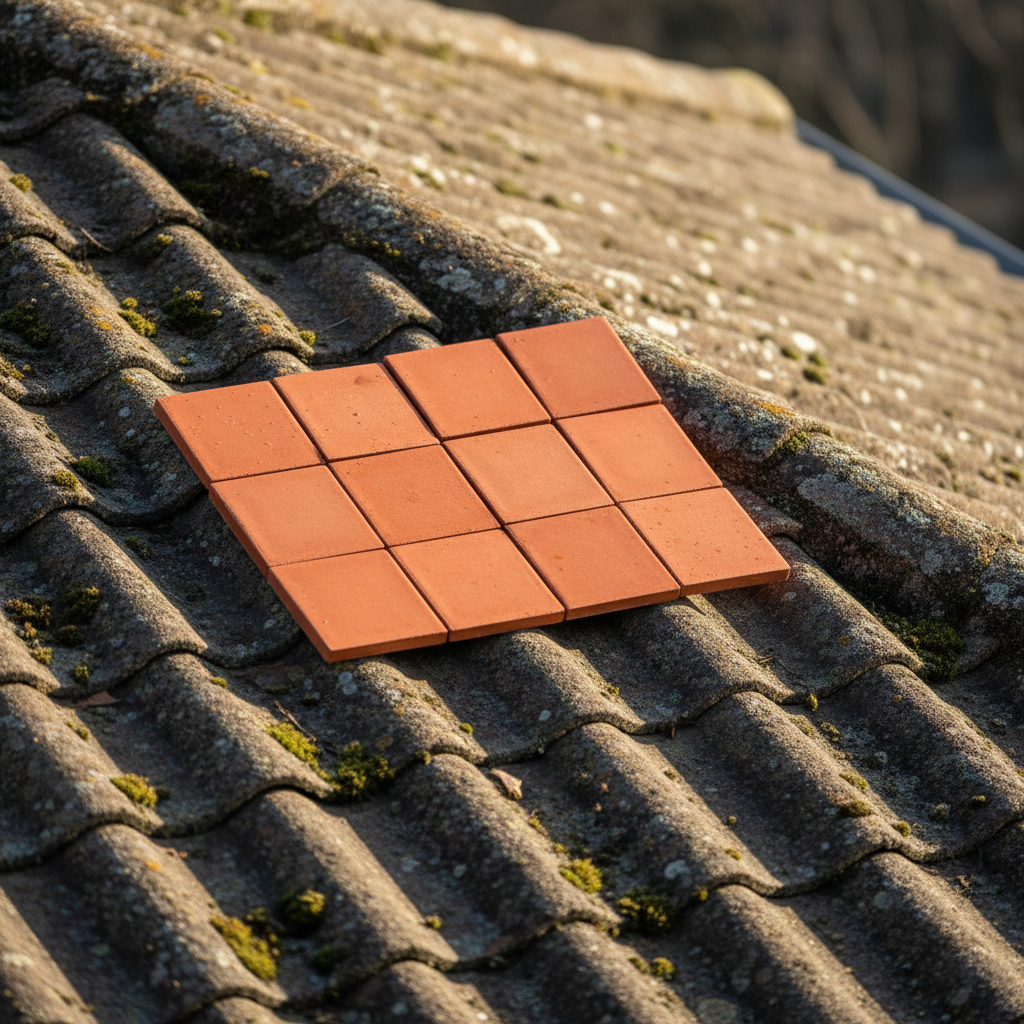
Most homeowners in Derby or Nottingham don't think about their roof tiles until one slips or cracks. You assume you can just pop down to a builders merchant, grab a couple of replacements, and slide them in. Then you get up on the ladder and realize the new tile looks like a bright thumb against a sore hand.
It happens all the time. After 20 years in the trade, we have seen thousands of roofs where a previous repair looks like a patchwork quilt. It isn't just about the color. It is about the profile, the material, and the way the sun has treated that roof for three decades. Finding a match that actually blends in takes more than a quick trip to the shops.
Why Manufacturers Change Their Minds
Roofing manufacturers are constantly tweaking their products. A tile that was standard in Leicester in the 1990s might have been discontinued five years ago. Even if the name of the tile is the same, the molds change.
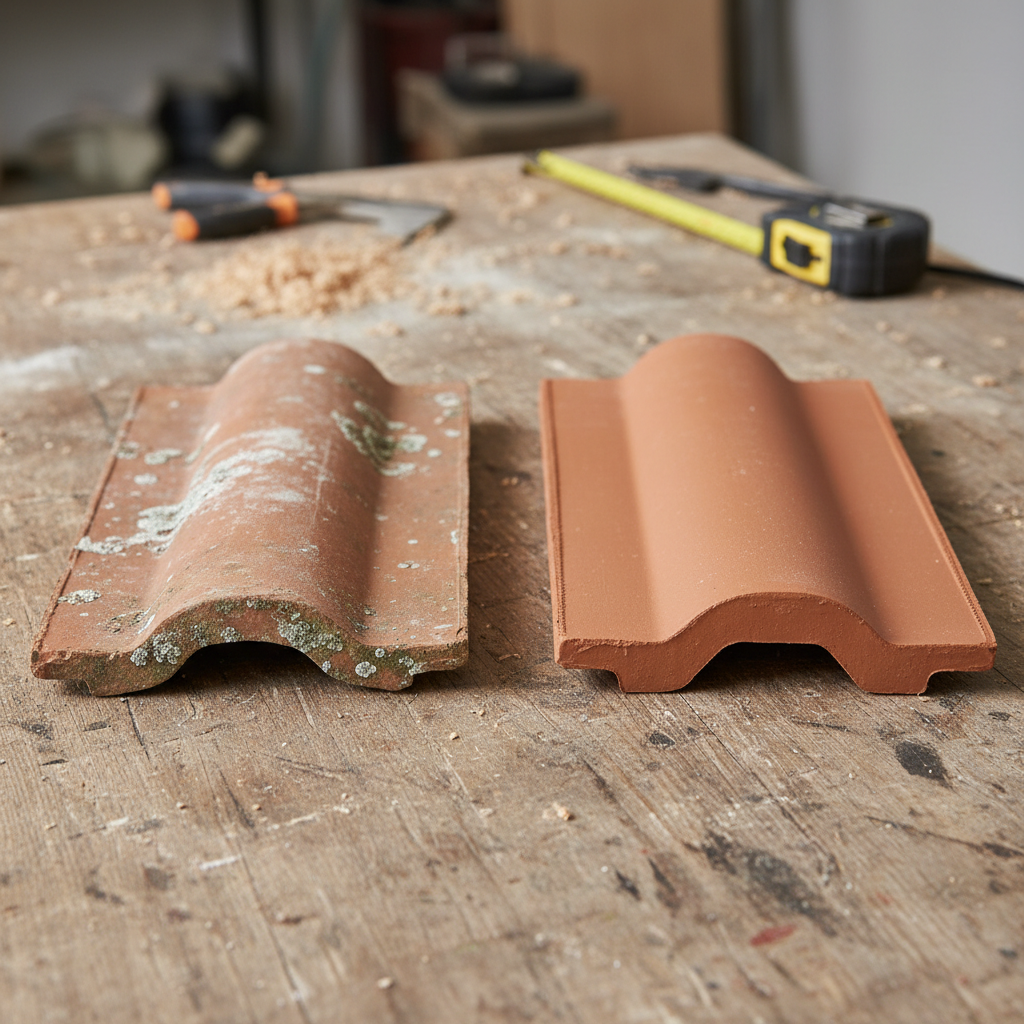
Companies update their production lines to make tiles lighter, stronger, or cheaper to ship. This means a modern version of a classic tile might be three millimeters thinner or have a slightly different interlocking lip. When you try to fit that onto an old roof, it won't sit flush. A gap of just a few millimeters is enough to let driving rain underneath, which defeats the point of the repair in the first place.
The Weathering Factor
Your roof is a giant shield that sits in the sun, rain, and frost every day. Over twenty years, the original pigment in a concrete or clay tile starts to fade. Lichen grows in the pores. Carbon from the air settles into the texture.
Even if you found a crate of the exact same tiles that had been sitting in a dark warehouse since your house was built, they still wouldn't match. Your roof has aged, and the new tiles haven't. This is why a simple swap often looks so obvious from the street. The new tile will be vibrant and clean, while the rest of the roof has that weathered, matte finish that only comes with time.
Common Challenges in Tile Matching
There are several reasons why a standard replacement fails the eye test. We usually look for these specific issues when we arrive at a job:
- Discontinued profiles: Many older regional manufacturers have gone out of business or been bought by larger conglomerates who scrapped the old designs.
- Clay vs Concrete: Mixing these materials is a recipe for disaster. They expand and contract at different rates, which can cause the new tile to crack its neighbors.
- Batch variations: Even tiles made in the same year can have different shades if they came from different kilns or batches of clay.
- Shifting standards: Metric measurements replaced older imperial sizes, meaning some old tiles simply don't have a modern equivalent that fits the batten spacing.
The Risk of Getting It Wrong
It is tempting to just shove a 'close enough' tile into the gap. We see this often when people try to DIY a leak. The problem is that roof tiles work as a system. They rely on a specific overlap to shed water correctly.
If the replacement tile doesn't lock in perfectly, it creates a pivot point. When the wind picks up, that loose tile can rattle or even blow off, potentially damaging your gutters or a car parked below. More importantly, a poor fit allows moisture to seep onto your felt or membrane. Your roof might look fixed, but the timber rafters underneath are slowly getting damp.
How We Approach Tile Matching
When we handle roof tile matching in places like Leicester or Derby, we don't just look at a catalog. We use a bit of experience and some local knowledge.
Sometimes the answer is sourcing reclaimed tiles. There are specialist yards that stockpile tiles from demolished buildings. If your house was built in a specific era, finding a tile that has already spent forty years outside is the best way to ensure the color and texture blend in. It takes longer to find them, but the result is a repair that you can't see from the pavement.
In other cases, we might take a few tiles from a less visible part of your roof, like behind a chimney stack, and use those for the repair on the front. We then put the 'not quite right' new tiles in the hidden spot. It keeps the aesthetic of the house sharp while ensuring the structure is watertight.
Why Professionals Make the Difference
We have spent two decades looking at roofs across the East Midlands. We know which estates in Nottingham used specific Redland tiles and which parts of Derby have those tricky old rosemary tiles that are notoriously hard to swap.
Getting a professional to look at a roof leak or a slipped tile saves you the headache of buying the wrong materials. We check the depth, the nibs, and the weather-lock before we even think about climbing the ladder. It is about doing the job once and doing it right, so you aren't staring at a mismatched patch every time you pull into your driveway.