
Storm Damage Signs: Roof Checks After Nottingham Rain
The On the Roofing team·Sep 25, 2026
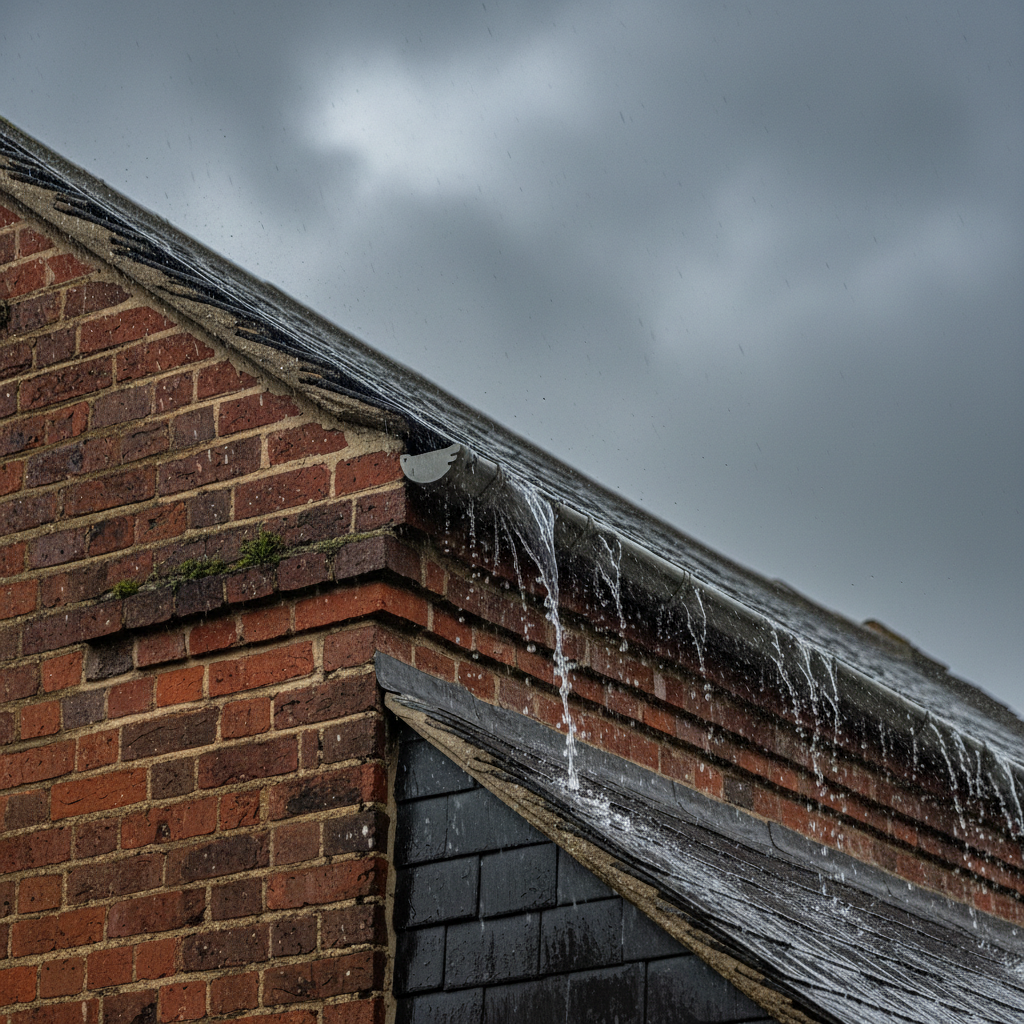
Why Nottingham Storms Are Tougher Than They Look
We have seen it dozens of times over the last 20 years. A heavy downpour hits Nottingham, the wind rattles the windows, and by the next morning, everything looks fine from the driveway. But water is patient. It finds the smallest gap in a flashing or a slightly slipped tile and starts its work.
Most homeowners assume that if they do not see a bucket-filling leak in the living room, their roof survived the storm. In reality, the damage often starts in the attic or behind the fascia boards. By the time a damp patch appears on your ceiling, the wood underneath has likely been soaking for weeks.
Getting a look at your roof after a big storm is not just about looking for missing pieces. It is about spotting the subtle shifts that lead to long-term rot.
The Visual Check From The Ground
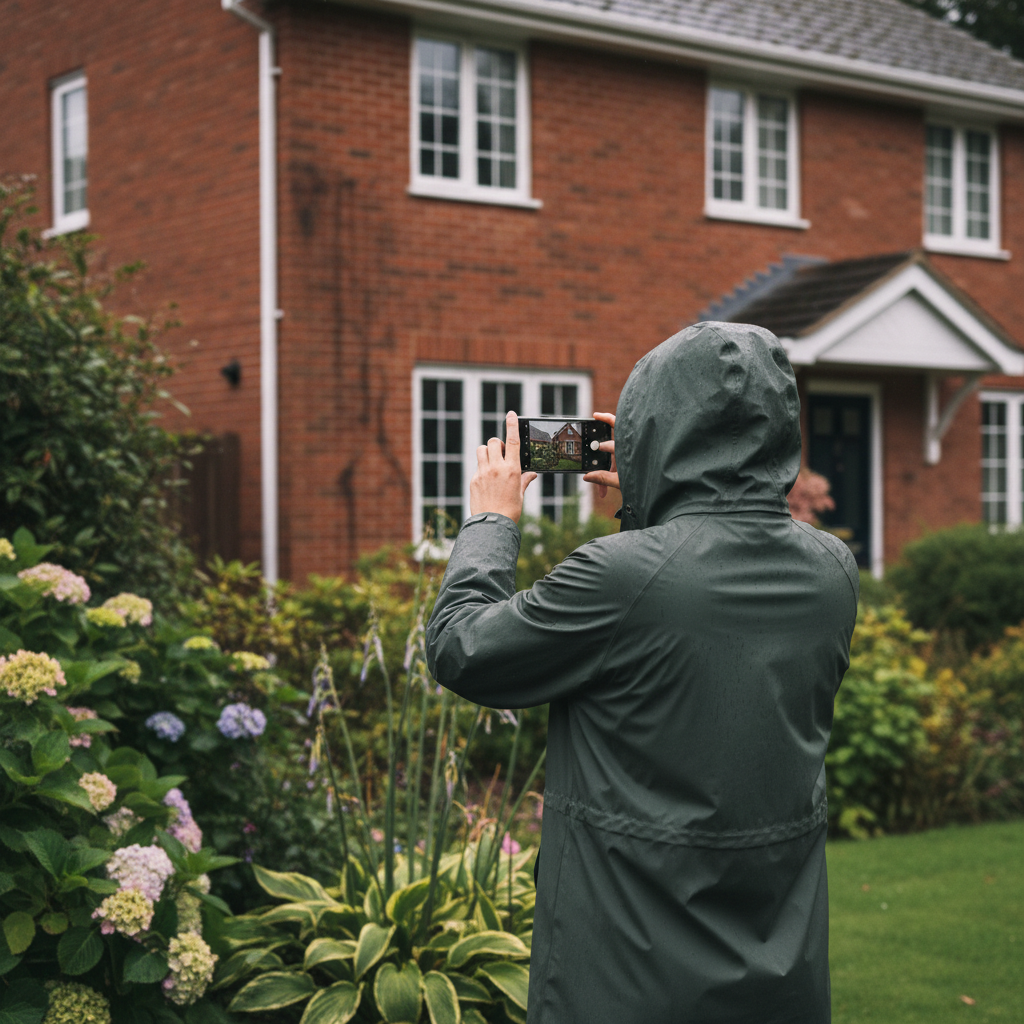
You do not need to get on a ladder to spot the most obvious issues. Actually, we tell people to stay off the roof unless they have the right safety gear. You can see quite a lot just by walking around the perimeter of your house with a pair of binoculars or even just using the zoom on your phone camera.
Look for anything that looks out of alignment. A roof should have clean, straight lines. If you see a tile that looks like it is sitting at a slightly different angle than its neighbours, it has likely slipped. In Nottingham, we get a lot of wind-driven rain. Once a tile moves, that wind pushes water directly onto the felt underneath. If your felt is old, it will not hold that water back for long.
Check your gutters too. If you see bits of broken tile or a lot of sandy grit in the downspouts, your tiles are deteriorating. Heavy rain washes this debris away, and it is a clear sign that the protective layer of your roof is wearing thin.
Inside The Attic: The Real Story
The best way to know if your roof failed during the rain is to go into the loft. Do this while it is still raining or immediately after. You want to look for light and moisture.
- Pinpricks of light: If you can see daylight coming through the roof boards, water can get in. It might not be leaking yet, but it will.
- Damp rafters: Run your hand along the wooden beams. If they feel cold or tacky, moisture is getting past the tiles.
- Dark staining: Look for circles or streaks on the insulation or the wood. This is a sign of a slow, persistent leak.
- Musty smells: Sometimes you smell the problem before you see it. Damp insulation has a very specific, heavy scent.
If you find water in the attic, do not panic. Often, it is a simple case of tile matching or fixing a bit of lead flashing around a chimney. The key is catching it before the timber starts to soften.
The Problem With Tile Matching
One thing we deal with constantly in Nottingham is older properties with unique tiles. When a storm knocks a few loose, you cannot just pop to a big box DIY store and buy a replacement that fits. If the size or weight is slightly off, the new tile will not sit flush. This creates a lip that catches the wind, and the next storm will just rip it right back off.
We spend a lot of time on roof tile matching because it is the only way to ensure the repair actually lasts. A patch job that uses the wrong materials is usually just a countdown to the next leak. If you see a gap, make sure whoever fixes it is actually looking for a match, not just a 'close enough' substitute.
Chimneys And Valleys
Rain does not usually cause issues in the middle of a flat run of tiles. It happens at the junctions. The valleys (where two roof slopes meet) and the areas around chimneys are the most vulnerable spots.
Heavy rain turns these valleys into small rivers. If there is a build-up of leaves or moss, the water backs up. Instead of flowing into the gutter, it gets pushed up under the tiles. If you notice moss falling onto your patio after a storm, it means the water flow on your roof is being disrupted. That moss acts like a sponge, holding water against your roof structure long after the sun comes out.
When To Call For Help
If you see a leak, you obviously need a professional. But you should also consider a check-up if you notice your gutters are sagging or if you find pieces of mortar on the ground. Mortar belongs on your ridge tiles, not on your lawn. When the bedding mortar cracks, the ridge tiles become loose. A heavy gust of wind can turn a loose ridge tile into a dangerous projectile.
We have been doing roof installations and repairs across Nottingham, Derby, and Leicester for two decades. We have seen what the local weather does to different types of housing stock. The houses in Nottingham face specific challenges, especially the older brick builds that have original slate or clay tiles.
Trust your gut. If something looks different than it did last week, it probably is. It is much cheaper to slide a tile back into place than it is to replace a ceiling and a section of rotted roof joist.
Take five minutes today to walk around your house. Look at the edges, look at the gutters, and if you can, peek into the loft. That small bit of effort can save you a massive headache during the next big Nottingham downpour.