
Roofing Work: A Guide to Roof Repairs and New Installs
Sam R.·Sep 18, 2026
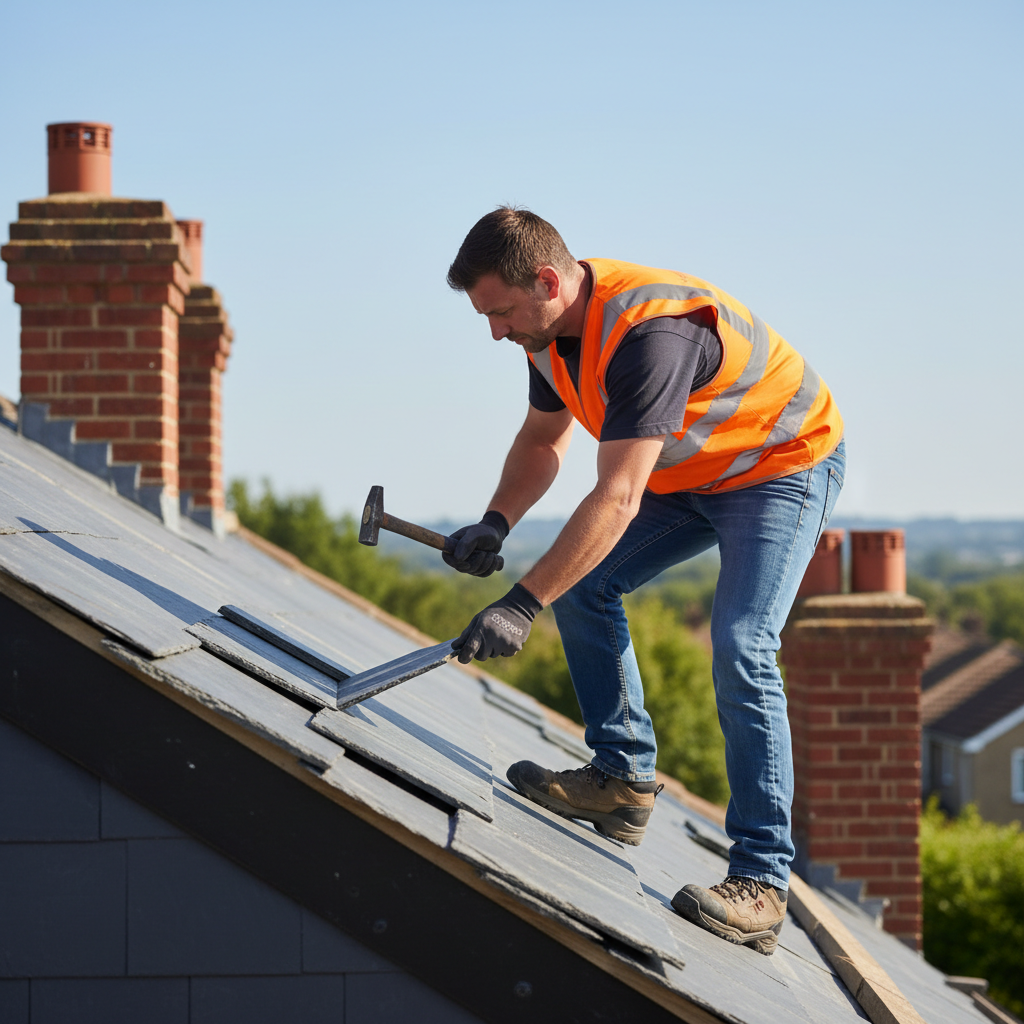
The Reality of Local Roofing Work
Most people only think about their roof when they see a damp patch on the ceiling. By then, the problem has usually been brewing for months. Roofing work isn't just about slapping on some new materials. It is a precise trade that requires a bit of foresight and a lot of practical experience.
After 20 years in the trade across Derby, Nottingham, and Leicester, we have seen it all. We have seen the 'quick fixes' that turned into expensive disasters and the DIY attempts that ended with a call to a professional on a Sunday afternoon. Doing things right the first time is always cheaper than doing them twice.
Why Roof Installations Take Time
A full roof installation is a major project. It is not something that happens in a single afternoon. If a contractor tells you they can replace your entire roof in 24 hours, you should probably ask a few more questions.
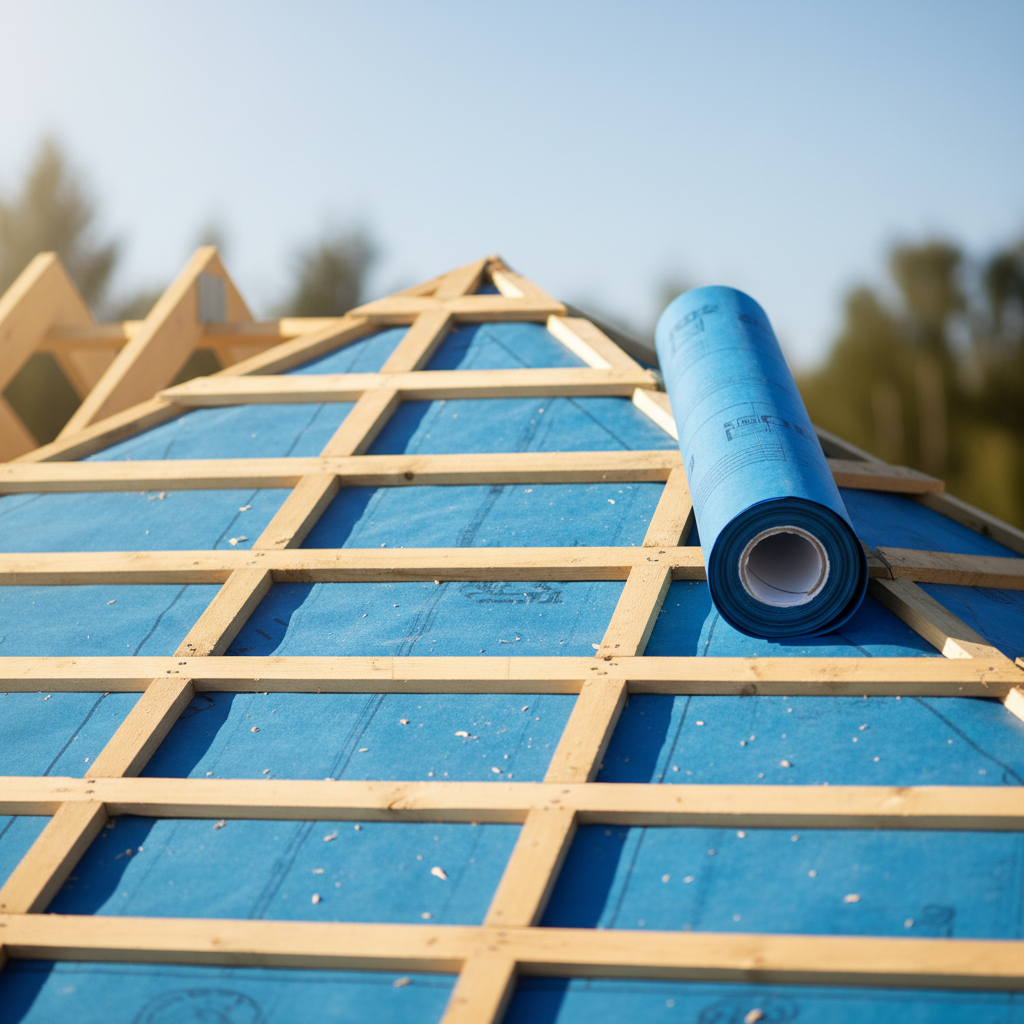
In reality, a proper installation involves several layers of protection. You have the structural timber, the breathable membrane, the battens, and finally the tiles or slates. Each layer serves a specific purpose. If you rush the membrane, you get condensation. If you don't space the battens correctly, the tiles won't sit flush.
We usually tell homeowners to prepare for a bit of noise and a bit of mess. It is part of the process. A good team will manage that mess, ensuring that old debris doesn't end up in your garden or blocking your gutters. The goal is a finished product that lasts decades, not just until the next storm hits the East Midlands.
Dealing with Roof Leaks
Leaks are sneaky. Water rarely travels in a straight line. It might enter through a cracked tile on the left side of your house, run along a timber beam, and finally drip through your ceiling on the right side. Finding the source is the hardest part of the job.
When we look at roof leaks, we look for the usual suspects:
- Damaged or missing lead flashing around chimneys.
- Cracked mortar on the ridge tiles.
- Debris buildup in the valleys that causes water to back up.
- Broken tiles caused by wind or falling branches.
If you notice a leak, don't wait. A small drip can rot your roof timbers and ruin your insulation. Over time, that dampness leads to mould, which is a whole different (and more expensive) problem to solve. Fixing a few tiles now is much easier than replacing a rotten roof structure later.
The Art of Roof Tile Matching
This is one of those things that sounds simple until you try to do it. You have a few broken tiles and you want to replace them. You go to a builders' merchant, buy what looks like the right colour, and put them up. Then you step back and realise your roof looks like a patchwork quilt.
Roof tiles fade over time. A 'Terracotta' tile manufactured today will not look the same as one that has been sitting on a roof in Leicester for thirty years. We spend a lot of time sourcing tiles that actually match the existing aesthetic of the home.
In older parts of Derby and Nottingham, this is even more critical. If you live in a period property, using the wrong tile can actually devalue your home. It looks out of place and signals to future buyers that the maintenance was done on the cheap. We take the time to find the right profile and the right shade so the repair is invisible.
What to Expect During the Process
Communication is usually where roofing projects go wrong. You want to know when the skip is arriving, when the scaffolding is going up, and when the guys will actually be on the roof.
We find that a clear plan makes everything smoother. Weather is the biggest variable in our industry. We can't safely work on a roof during a torrential downpour or high winds. A bit of flexibility is required, but a professional team will always keep you in the loop. If the forecast looks grim, we plan around it to ensure your home stays dry throughout the work.
Maintaining Your Roof for the Long Term
You don't need a roofer every year, but you should keep an eye on things. Take a walk around your property after a big storm. Look for bits of grey mortar on the floor or tiles that look slightly askew.
Keep your gutters clear. When gutters are blocked, water can't flow away from the house. It sits there, soaks into the fascia boards, and eventually finds its way into your roof space. It is a simple bit of maintenance that saves thousands in the long run.
Choosing the Right Contractor in the East Midlands
There are plenty of people with a van and a ladder who claim to be roofers. The difference shows up three years down the line when the roof starts leaking and the contractor is nowhere to be found.
Experience matters. Knowing how different materials react to the local climate in Nottingham or Derby is something you only learn by doing the work for two decades. Look for reviews, ask about their previous projects, and make sure they understand the specific needs of your property type.
Roofing work is an investment in your home's future. Whether it is a small repair or a complete overhaul, getting it done right gives you peace of mind when the British weather inevitably takes a turn for the worse.