
Roof Tile Matching Secrets for Seamless Local Repairs
Sam R.·Sep 28, 2026
Why Most Roof Repairs Look Like a Patchwork Quilt
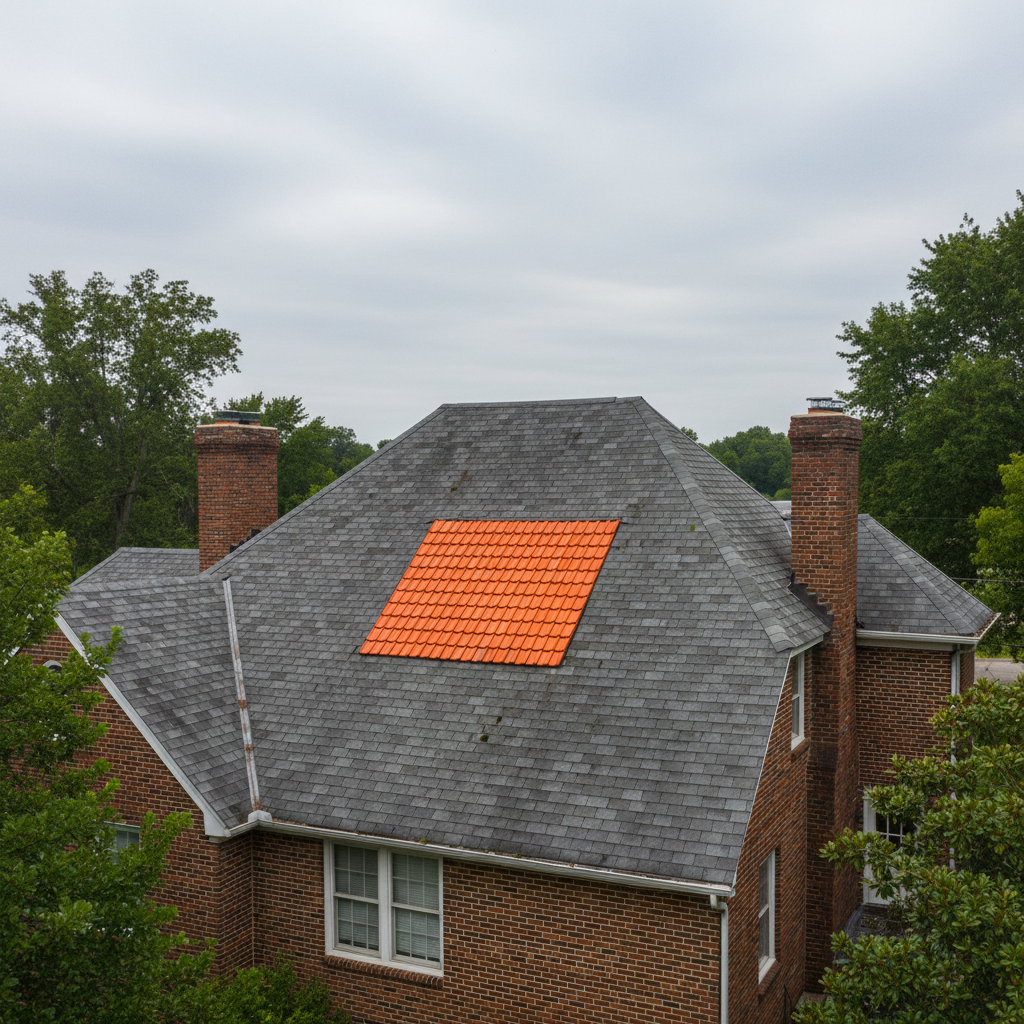
Walk down any street in Derby or Nottingham and you will see it. A beautiful Victorian terrace or a solid 1950s semi with a glaring, bright orange patch on an otherwise weathered grey roof. It sticks out. It looks cheap. More importantly, it often suggests the repair was a rush job.
After 20 years in the trade, I can tell you that finding the right tile is not about finding something 'close enough'. It is about understanding the history of the local clay, the way different manufacturers handled kiln firing in the 70s, and how the specific weather patterns in the East Midlands affect surface patina.
A roof leak is stressful enough without the added worry that your home will lose its curb appeal. A seamless repair is the difference between a house that looks well maintained and one that looks like it has been patched together with whatever was lying in the back of a van.
The Problem With Modern Equivalents
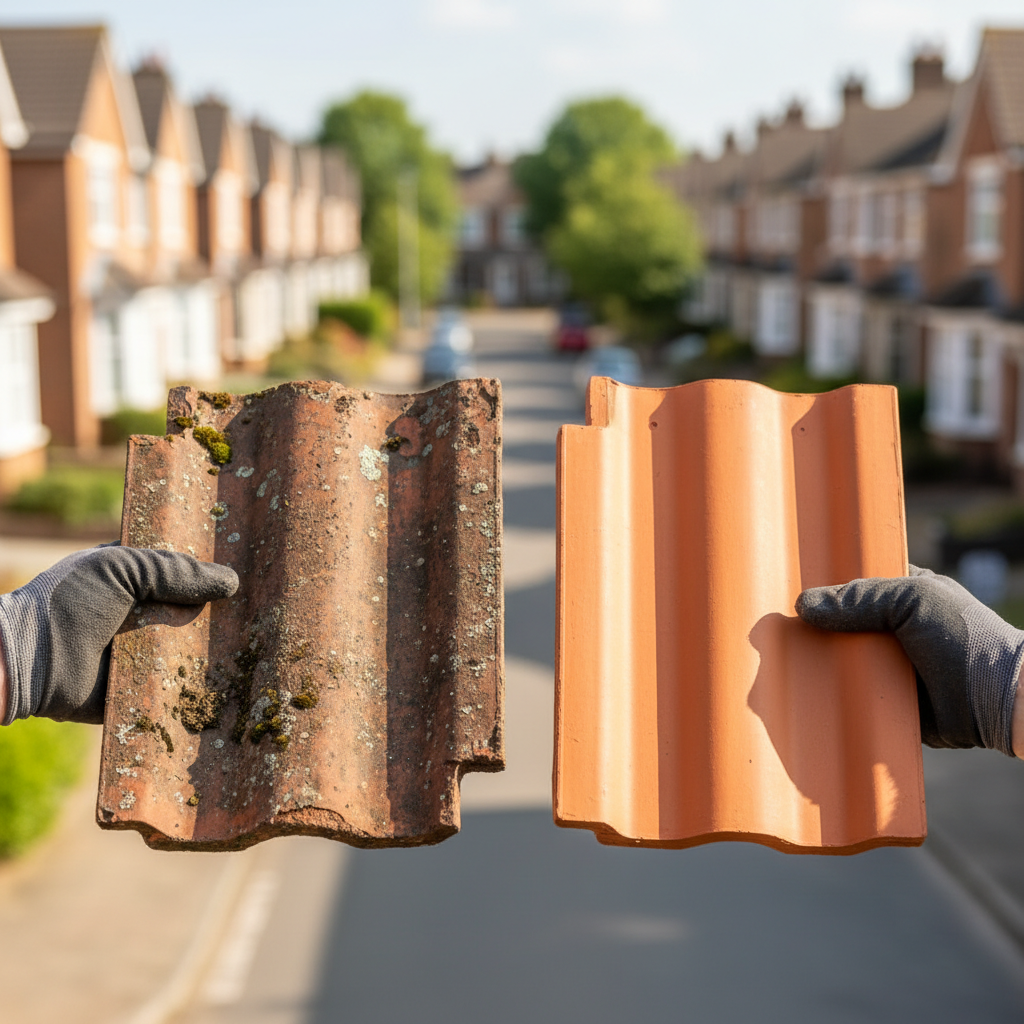
Manufacturers change their processes. A Marley tile from 1985 might have the same name as one produced today, but the dimensions, the nibs, or the way the water channel sits could be slightly different. If you try to force a modern tile into an old roof, you will often end up with a gap. Gaps lead to leaks, and we are back to square one.
Then there is the colour. New tiles are vibrant. Old tiles have spent decades fighting the British rain and wind. If we just slap a brand new concrete tile onto a roof in Leicester that has been there since the miners' strikes, it will never look right. The grit finishes wear down, the pigments fade, and moss or lichen adds a layer of character that you cannot buy off a shelf.
Our Process for a Perfect Match
We do things differently because we have seen what happens when you cut corners. Here is how we approach a tile matching project to ensure the repair is invisible to the naked eye.
- Physical Identification: We don't guess from the ground. We get on the ladder, remove a damaged sample, and look for manufacturer stamps or specific moulding marks on the underside.
- Reclamation Sourcing: For older properties in Derby and Nottingham, the best match is usually a second-hand tile. We work with local reclamation yards to find batches that come from the same era as your home.
- Weathering Assessment: If we have to use new materials, we look for 'weathered' ranges designed to mimic the dulled tones of older roofs.
- Profile Testing: We check how the tile interlocks with its neighbours. If the 'lock' isn't tight, the wind will eventually lift it, no matter how much it looks like the original.
The Hidden History of East Midlands Roofing
Geography plays a massive part in what is sitting on your rafters. In parts of Leicester, you see a lot of S-pan tiles that were popular during specific building booms. In Nottingham, the red clay Rosemary tiles are everywhere.
Each of these materials ages differently. Clay tiles tend to keep their core colour but lose their shine, while concrete tiles actually change shade as the top layer of sand and pigment wears away. When we come out to look at a roof leak or a few slipped tiles, we are already thinking about which local yard might have a matching batch of Rosemarys or where we can find those specific flat profile concretes used in the 90s.
Why Near Enough Isn't Good Enough
Some people think tile matching is just about aesthetics. It isn't. It is about structural integrity. Every tile is designed to work as part of a system. If the water channels do not align perfectly, water will track sideways under the tiles.
You might not see a leak immediately. It might take a heavy storm with driving rain to push water through that tiny 2mm gap created by an ill-fitting tile. By the time you notice the damp patch on your bedroom ceiling, the timber batten underneath could already be starting to rot.
What to Do if You Have a Leak
If you notice a leak, the temptation is to grab the first person who can get there with a ladder. But ask them about the tiles first. If they say they will 'just find something that fits', be careful.
A professional approach involves taking the time to source the right material. It might take an extra day to track down the correct match from a specialist yard in the East Midlands, but the result is a roof that stays watertight for another twenty years rather than failing during the next big frost.
We have spent two decades building relationships with suppliers across Derby, Nottingham, and Leicester. We know who keeps the old stock and who has the best reclaimed clay. It is that local knowledge that makes the difference between a patch and a proper repair.
Final Thoughts on Maintenance
Do not wait for a full roof installation if you only have a few broken tiles. Catching these small issues early, and fixing them with the correct matching materials, extends the life of your entire roof. It keeps the character of your home intact and ensures that when you eventually come to sell, the surveyor isn't flagging up 'amateurish repairs'.
If you are worried about a leak or can see a tile that looks out of place, give us a shout. We will take a look, identify exactly what you have, and find the match that keeps your home looking exactly the way it should.