
Roof Replacement Prep: How to Protect Your Home
Sam R.·Sep 27, 2026
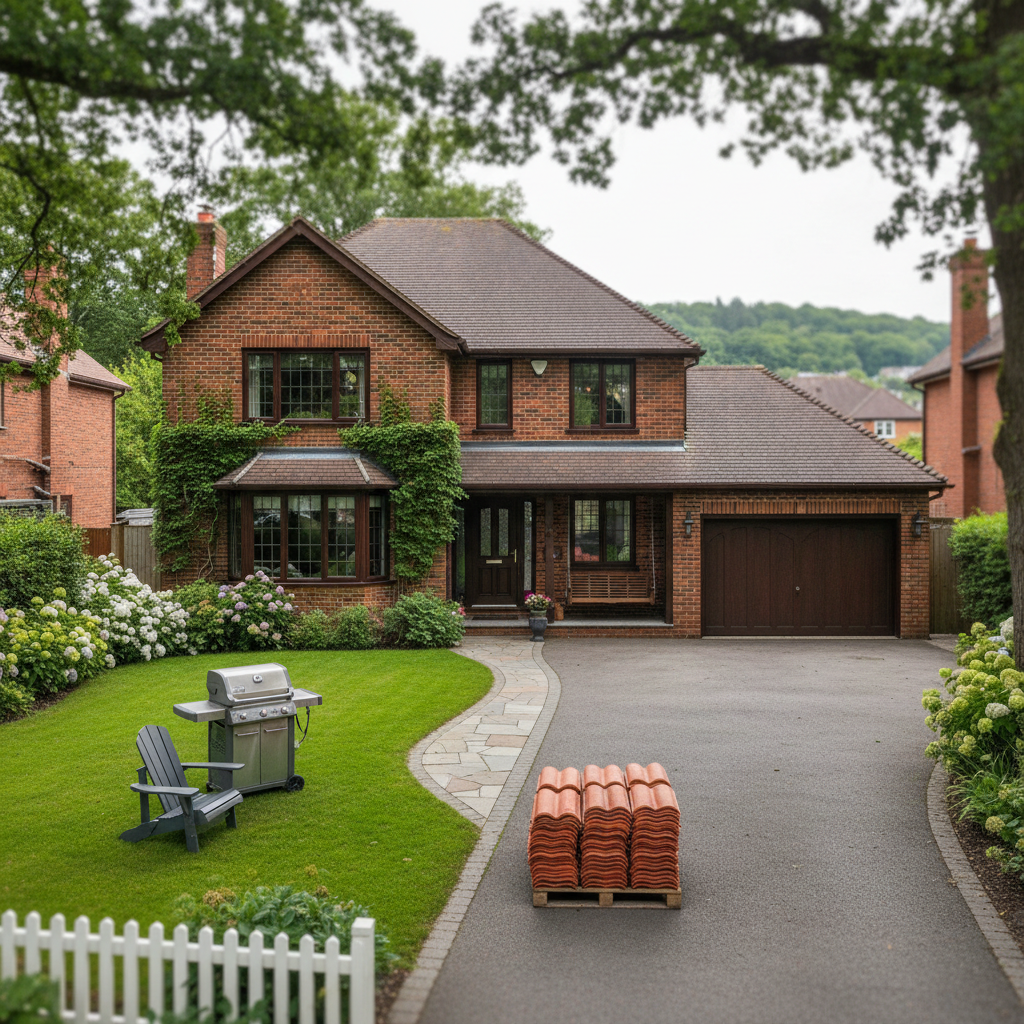
Preparing for Your New Roof
Getting a new roof is a massive investment for your home in Derby or Nottingham. It is also a loud, dusty, and somewhat chaotic process. After 20 years in the trade, we have seen it all. We know that the difference between a smooth installation and a stressful week often comes down to what happens before the first tile is even lifted.
Most homeowners think the work starts when the scaffolding goes up. In reality, your job starts a few days earlier. A bit of preparation goes a long way in protecting your property and making sure the job stays on schedule.
Clear the Perimeter
When we start stripping an old roof, things fall. Even with the best intentions and safety nets, debris like old nails, broken tiles, and mortar will find its way to the ground. The area directly around your house becomes a work zone.
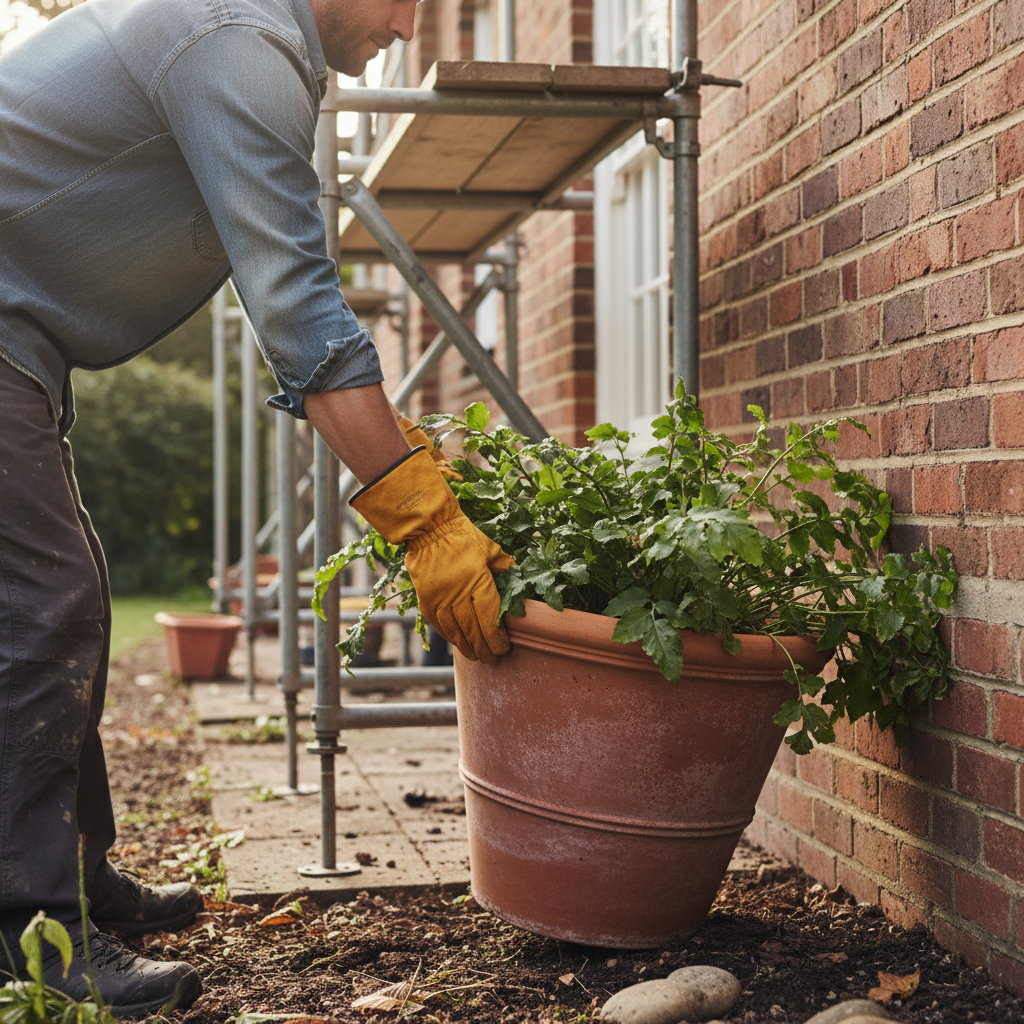
Move your patio furniture, potted plants, and garden ornaments as far away from the walls as possible. If you have a shed near the house, make sure the path to it is clear. We often see expensive grills or glass tables left out, only to get covered in grit. It is much easier to move them now than to try and clean them later.
Think About Your Vehicles
Your driveway is going to be busy. Between skips, delivery trucks, and the crew's vans, space gets tight quickly. We always recommend parking your cars on the street or a few houses down during the installation.
This does two things. First, it keeps your car safe from falling debris or accidental scratches. Second, it gives the team enough room to get the skip exactly where it needs to be. If a skip driver has to wait for a car to be moved, it can delay the whole morning's work. In places like Leicester where street parking is tight, planning this the night before is a lifesaver.
Protect Your Attic and Loft Space
This is the one most people forget. When we are hammering on the roof, the vibrations are intense. If you have an unfinished loft, dust and small bits of debris will fall through the rafters onto whatever you have stored up there.
If you have Christmas decorations or old suitcases in the loft, cover them with cheap plastic sheets or old blankets. If you have a finished loft conversion, you might want to move fragile items off the shelves for a few days. The constant vibration can shift pictures or ornaments, and the last thing you want is a broken heirloom because of a hammer strike three floors up.
What to Do With Your Walls and Ceilings
It sounds dramatic, but a roof replacement is essentially a series of controlled tremors. The vibration travels down the structural walls of your home.
- Remove hanging mirrors and heavy pictures from the top floor walls.
- Check that your light fixtures and chandeliers are secure.
- If you have loose shelving, take the breakables off for a few days.
- Keep pets in a quiet room on the ground floor or away from the house entirely.
Most of the time, nothing happens. But we have seen heavy mirrors walk themselves right off their hooks during a busy afternoon of tiling. It takes five minutes to take them down, and it saves a lot of heartache.
The Garden and Your Neighbours
If you have a prize-winning rose bush or a delicate vegetable patch right under the eaves, let the team know. We can usually work around these things if we know they are a priority. We often use tarps to catch debris, but a heads-up helps us place them more effectively.
It is also a good idea to chat with your neighbours. A roof replacement is noisy. There will be hammering from 8 am onwards. If your neighbour works nights or has a newborn, knowing the schedule helps them plan their week. A little bit of communication prevents a lot of friction later on.
Access and Power
We usually need access to an outdoor tap or a power outlet. While most of our tools are cordless these days, having a reliable power source nearby is always helpful. Make sure your gates are unlocked or that the team knows how to get into the back garden. If we spend the first hour of the morning trying to track down a key, that is an hour of daylight wasted.
Managing the Noise
There is no way to sugarcoat it: roofing is loud. If you work from home, you might want to find a local coffee shop or a co-working space for a day or two. The noise isn't just the hammering; it's the sound of tiles being moved and the constant movement on the scaffolding.
Children and pets often find the noise distressing. If you have a dog that bark at every strange sound, it might be worth booking them into a kennel or leaving them with a friend. It makes the environment much calmer for everyone involved.
Final Walkthrough Preparation
Once the job is done, we do a thorough clean-up. We use magnetic sweeps to pick up stray nails and we try to leave the site as clean as we found it. However, no clean-up is 100% perfect on the first pass.
Keep an eye out for a few days after we leave. As the ground settles or you mow the lawn for the first time, you might spot a stray bit of tile or a nail. This is normal. By preparing your garden beforehand (like cutting the grass short), you make it much easier for our team to find every last bit of scrap before we head off.
Why This Matters
We have been doing this for 20 years across Derby and the East Midlands. We know that a new roof is a stressful time for any homeowner. By taking these steps, you aren't just making our lives easier; you are protecting your own property and sanity.
Preparation ensures that the only thing changing about your home is the quality of the roof over your head. If you have questions about specific items or access issues, just ask. We would rather spend ten minutes talking about it before we start than spend two hours fixing a mistake later.