Roof Installation Mistakes That Void Your Warranty
Sam R.·Oct 3, 2026
Why Your Warranty Might Be Worthless
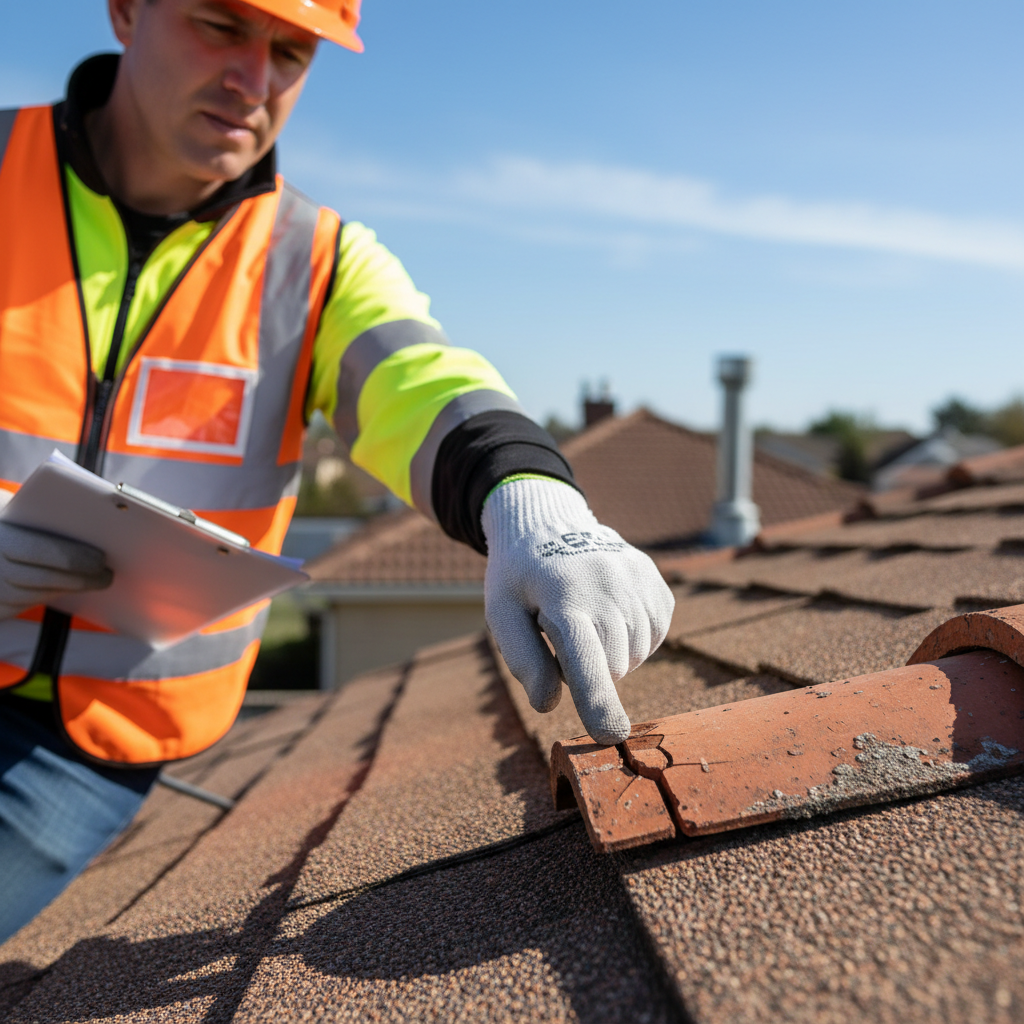
You spend thousands on a new roof and feel secure knowing there is a 20 or 30 year warranty attached to those materials. Most homeowners in Derby and Nottingham assume that if a tile cracks or a leak appears, the manufacturer will just step in and fix it.
In reality, that warranty is a conditional contract. If the person installing the roof cuts corners or ignores the specific technical requirements set by the manufacturer, that piece of paper becomes useless. We have seen this happen far too often over the last 20 years. A homeowner calls about a failure, the manufacturer sends an inspector, and the claim is denied because of a few missing nails or poor ventilation.
Understanding these common pitfalls helps you ensure your investment actually stays protected.
The Problem With Nailing Patterns
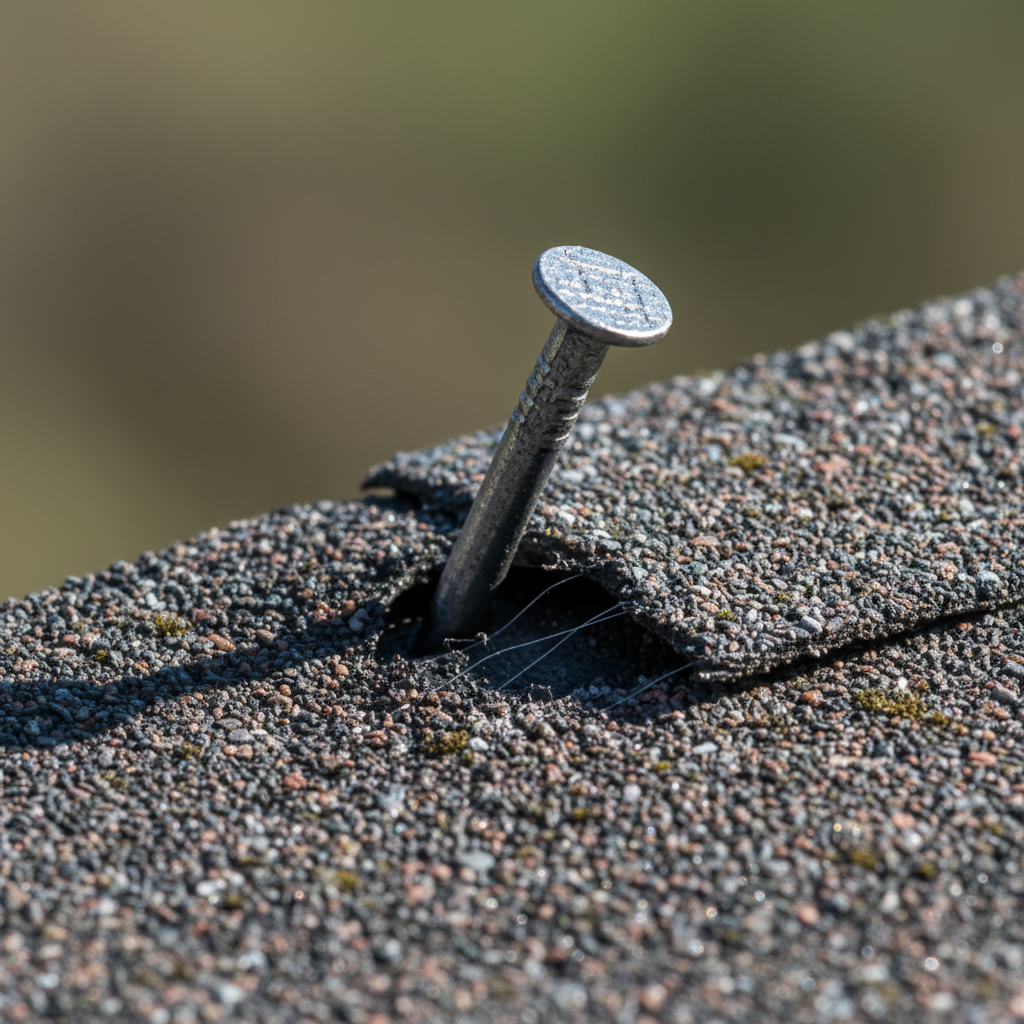
It sounds trivial, but how a tile or shingle is nailed down is usually the first thing a manufacturer looks at during a claim. Every product has a specific map for where nails should go. Some require four nails, others six, depending on the pitch of your roof and the local wind conditions in places like Leicester.
If the installer uses too few nails, the roof lacks wind resistance. If they use a nail gun with the pressure set too high, the nail head drives right through the material, meaning it is not actually holding anything down. Manufacturers call this over-driving. If they see this across your roof, they will likely void the entire structural warranty on the spot.
Mixing and Matching Materials
We often see DIY enthusiasts or inexperienced contractors try to save a bit of money by using leftover flashing or underlayment from a different brand. This is a massive mistake. Most modern roofing systems are designed to work as a single unit.
When you mix Brand A tiles with Brand B underlayment and Brand C starter strips, you create a Frankenstein roof. If a leak occurs, Brand A will blame Brand B, and vice versa. To keep a valid warranty, you generally need to use the components specified by the primary manufacturer. This ensures the chemical and physical properties of the materials do not react poorly to each other over time.
Poor Attic Ventilation
This is perhaps the most common reason for denied warranty claims that nobody talks about. Your roof needs to breathe. If your attic is too hot, it literally cooks the tiles from the inside out. This leads to premature aging, curling, and brittleness.
Manufacturers have strict requirements for intake and exhaust ventilation. If your installer does not calculate the correct amount of airflow for your specific roof size, the heat buildup will destroy the materials. When you try to claim for a product failure, the inspector will check your vent count. If it does not meet their standards, the failure is blamed on the installation environment, not the product quality.
Installing Over Old Layers
It can be tempting to just lay new tiles over the old ones to save on labor and disposal costs. While some local building codes technically allow for two layers, most manufacturers strongly advise against it, and many will limit their warranty coverage if you do.
Installing over an old layer hides problems with the roof deck. If the wood underneath is rotting, the new nails will not hold. Furthermore, the heat trapped between the two layers of roofing can cause the new materials to degrade at double the normal rate. We always recommend a full strip back to the deck to ensure the foundation is solid.
Common Installation Errors to Watch For
- Incorrect Valley Flashing: Valleys handle the highest volume of water. If the flashing is not tucked or sealed correctly, water will get under the tiles.
- High Nailing: Placing nails too high on the tile means they do not catch the top of the tile underneath, significantly reducing wind uplift resistance.
- Ignoring Drip Edges: Omitting the drip edge at the eaves allows water to seep into the fascia boards and roof deck.
- Poor Tile Matching: Using tiles that do not fit the profile of the existing roof can create gaps where driving rain can enter.
The Importance of Local Expertise
Roofing in the East Midlands comes with specific challenges. The weather in Derby and Leicester can be unpredictable, with heavy rain and occasional high winds. A contractor who does not understand the local climate might not take the extra precautions needed to ensure a roof lasts for its full rated lifespan.
When we handle roof installations, we focus on the technical details that the manufacturer requires. It is not just about making the house look good from the street. It is about making sure that if something goes wrong in year 15, you are actually covered.
What to Ask Your Installer
Before you sign a contract, ask about their process for maintaining the warranty. A good installer should be able to tell you exactly which brand of underlayment they are using and why. They should be able to explain their ventilation plan and show you how they intend to handle tricky areas like chimneys and valleys.
If a contractor suggests skipping the permit or tells you that 'any old nail will do,' that is a major red flag. The short term savings of a cheap installation are never worth the long term cost of a voided warranty.
Final Thoughts on Protection
Your roof is your home's primary defense against the elements. A warranty is your financial defense against product defects. Protecting both requires a commitment to doing the job correctly the first time. By avoiding these common installation mistakes, you ensure that your 20 years of protection actually means something.
If you are worried about a recent installation or need a professional look at a leak in Nottingham or the surrounding areas, getting an expert opinion early can save you a lot of stress down the road.