
Reclaimed Roof Tiles: Hidden Risks for New Roofs
Sam R.·Oct 7, 2026
The Appeal of Reclaimed Tiles
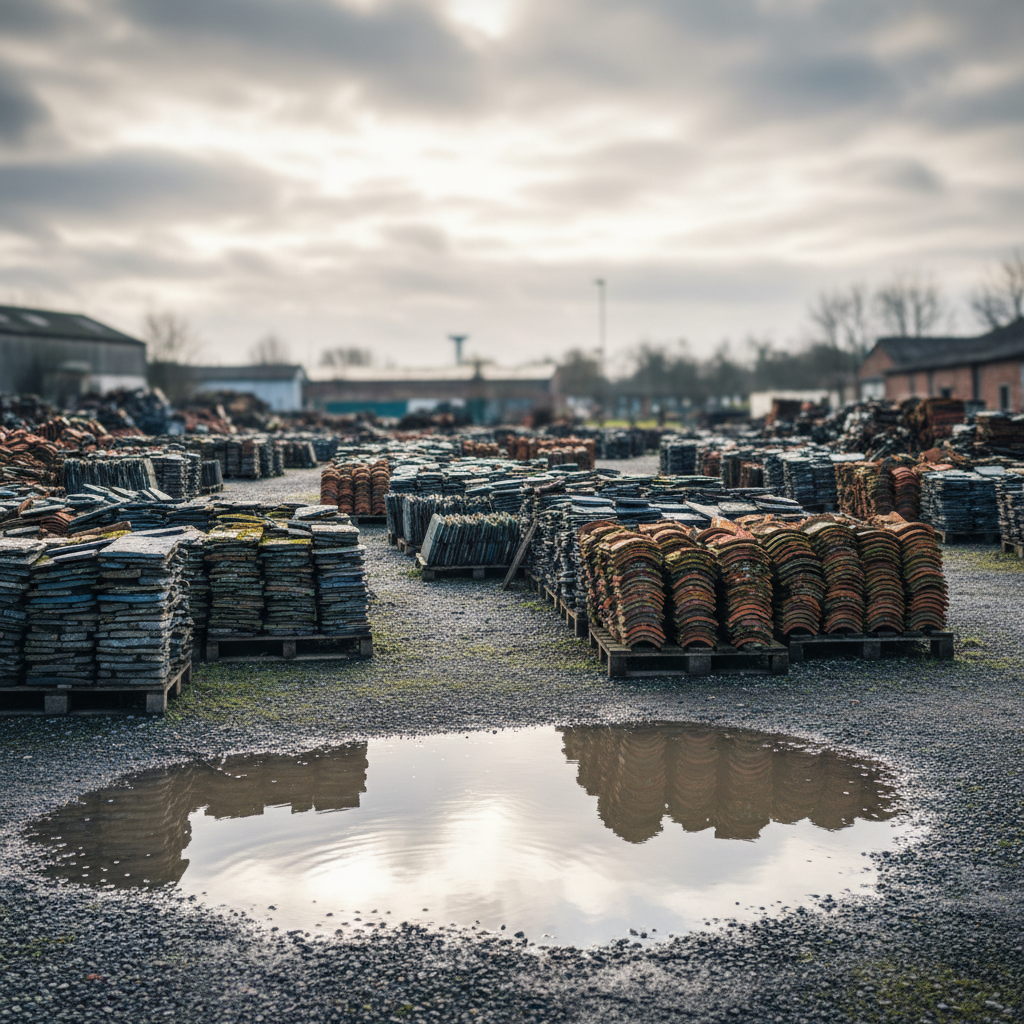
Most homeowners in Derby and Nottingham love the look of an aged roof. There is something about the weathered texture of old clay or slate that new materials struggle to replicate. When you are planning a roof installation, the idea of using reclaimed tiles often comes up. It feels like a win for the environment and a win for your wallet.
In our 20 years of experience, we have seen plenty of people go down this route. The logic is usually simple. You find a batch of tiles from a local yard in Leicester, pay a fraction of the cost of new ones, and get that instant heritage look.
However, what looks like a bargain on the ground can quickly become a nightmare once it is twenty feet in the air. We have spent a lot of time fixing roof leaks that started because a reclaimed tile failed. The reality is that salvaged materials come with baggage that most people do not consider until the water starts coming through the ceiling.
Structural Fatigue and Invisible Cracks
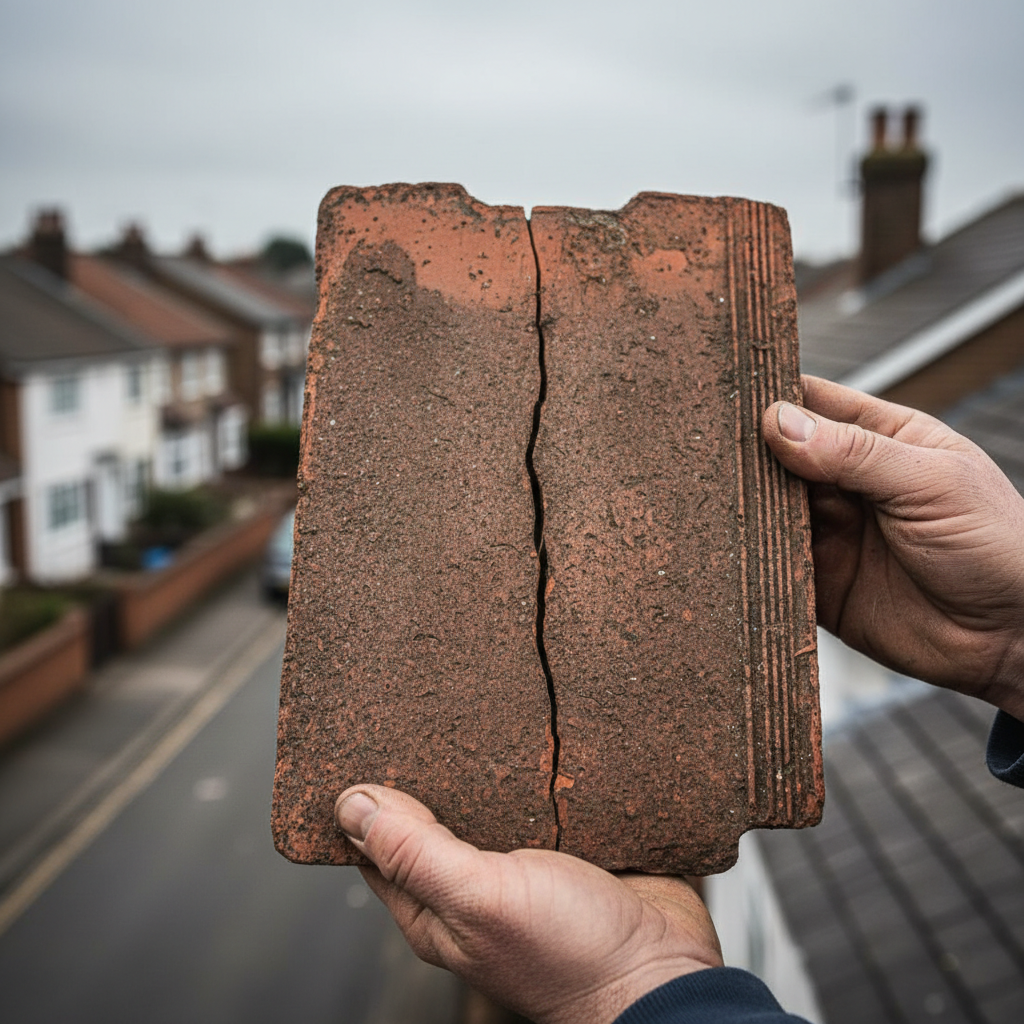
One of the biggest issues with second hand tiles is that they have already lived a full life. A tile might look solid when you pick it up, but it has likely endured decades of British winters. The constant cycle of freezing and thawing creates microscopic stress fractures.
When we install a new roof, we expect it to last for decades. If you use tiles that are already 60 years old, you are starting the clock at the finish line. These internal cracks are often invisible to the naked eye. Once they are fixed onto your battens, the weight of the roof and the movement of the building can cause those tiny cracks to open up.
We often find that reclaimed tiles are more brittle. While a new tile has a bit of give, an old one will often snap the moment a ladder is placed against it or a bird lands heavily. This brittleness makes the installation process much slower and more wasteful. You might buy 2,000 tiles, but you could lose 200 of them just during the handling and cutting process.
The Problem with Tile Matching
If you are doing a full roof installation, you need a consistent batch of tiles. This is where things get tricky with reclaimed stock. Unless you are buying from a massive demolition project, most salvage yards piece together batches from different sources.
Even if they look similar, slight variations in size or thickness can ruin the weatherproofing of your roof. Roof tiles are designed to interlock or overlap in a very specific way. If one tile is 3mm thicker than the one next to it, the seal is broken.
- Variations in camber (the curve of the tile) can lead to gaps.
- Different firing temperatures in the original kiln mean tiles age at different rates.
- Nail holes might be worn or oversized, making it hard to secure them properly.
- Lichens and moss on old tiles can hold moisture against the new wooden battens.
When we handle roof tile matching for repairs, we are very careful to find exact matches. On a new roof, trying to force thousands of slightly different tiles to work together is a recipe for disaster. It usually leads to uneven lines and, eventually, leaks.
No Manufacturer Warranty
This is the point that usually changes people's minds. When you buy new tiles from a reputable maker, they come with a guarantee. Often this lasts 30 years or more. If the tiles fail due to a manufacturing fault, you are covered.
With reclaimed tiles, there is zero protection. Once they are on your roof, any failure is your problem. If a batch turns out to be poor quality and starts delaminating after one winter, the salvage yard will not give you your money back. More importantly, they definitely will not pay for the labour to strip the roof and start again.
We always tell our customers in Leicester and Derby that the cost of a roof is mostly in the labour and the scaffolding. Saving a few hundred pounds on tiles is not worth the risk of having to pay for the entire job twice. A new roof should be a one-time investment for your generation.
Porosity and Weight Issues
Old clay tiles, in particular, become more porous over time. As the protective glaze or the density of the clay wears down, the tile starts to soak up water like a sponge. This causes two major problems.
First, the weight of the roof increases significantly when it rains. If your roof structure was designed for the weight of dry tiles, the extra hundreds of kilograms of water weight can cause the timber to sag. Second, damp tiles are much more likely to blow apart in a frost. The water inside the tile expands when it freezes, popping the face off the tile. This is called spalling, and once it starts, you cannot stop it.
When Reclaimed Makes Sense
We are not saying you should never use old tiles. If you live in a conservation area or a listed building in Nottingham, you might be legally required to use reclaimed materials to maintain the character of the street. In these cases, we spend a lot of time hand-sorting the stock to ensure only the best pieces make it onto the roof.
If you are just doing a small repair, roof tile matching with reclaimed stock is often the only way to make the patch invisible. Putting a brand new, bright red tile in the middle of a 40 year old roof looks terrible. In that scenario, a weathered tile is exactly what you need.
But for a whole new roof installation, the risks are just too high for most people. You can now buy new tiles that are designed to look old. They have the same subtle colour variations and textured finishes as reclaimed tiles, but they come with a modern warranty and predictable dimensions.
Making the Right Choice
Before you commit to a pallet of cheap reclaimed tiles, think about the long term. A roof is the most important part of your home's defence against the weather. It is the one place where you really do not want to take a gamble.
We have seen many homeowners regret the choice to go with salvaged materials after the first big storm of the year. The initial saving disappears the moment you have to call us out to investigate a mystery leak.
If you are in Derby, Nottingham, or Leicester and you are unsure about which materials to use for your project, get in touch. We can look at your specific roof and give you a straight answer on what will work and what will likely cause you a headache in five years. Sometimes the best way to save money is to do the job right the first time.