
Matching Old Roof Tiles for Derby Home Extensions
Sam R.·Sep 17, 2026
The Problem With Near Enough
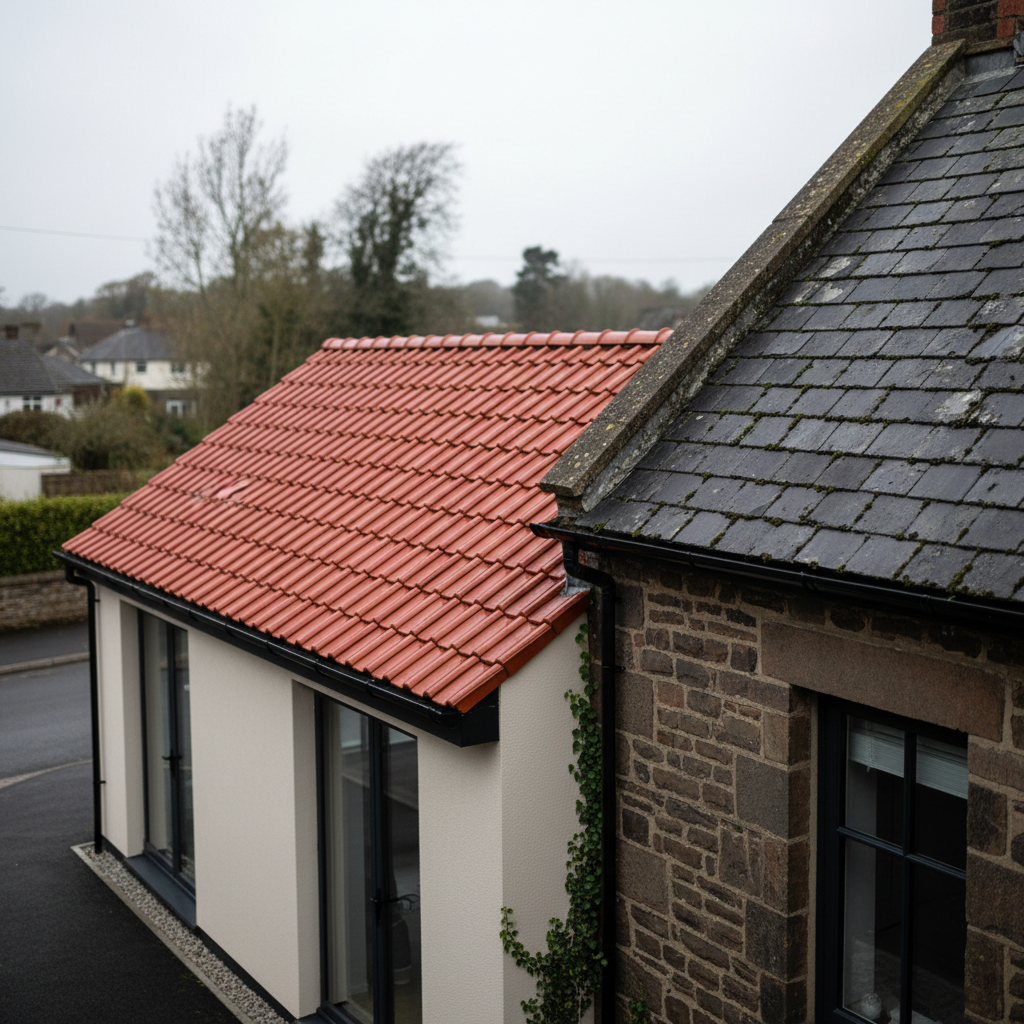
When you build an extension in Derby, you want it to look like it was always there. Most homeowners spend weeks picking out the right bricks or the perfect windows, but they often leave the roof as an afterthought. That is a mistake. If the tiles do not match, the whole project looks like a cheap bolt-on.
I have seen it happen dozens of times. A beautiful new kitchen extension gets finished, but the roof is two shades lighter than the original house. It stands out for all the wrong reasons. The reality is that matching old tiles involves more than just looking at a brochure. It takes a bit of detective work and a lot of patience.
Why Modern Tiles Often Clash
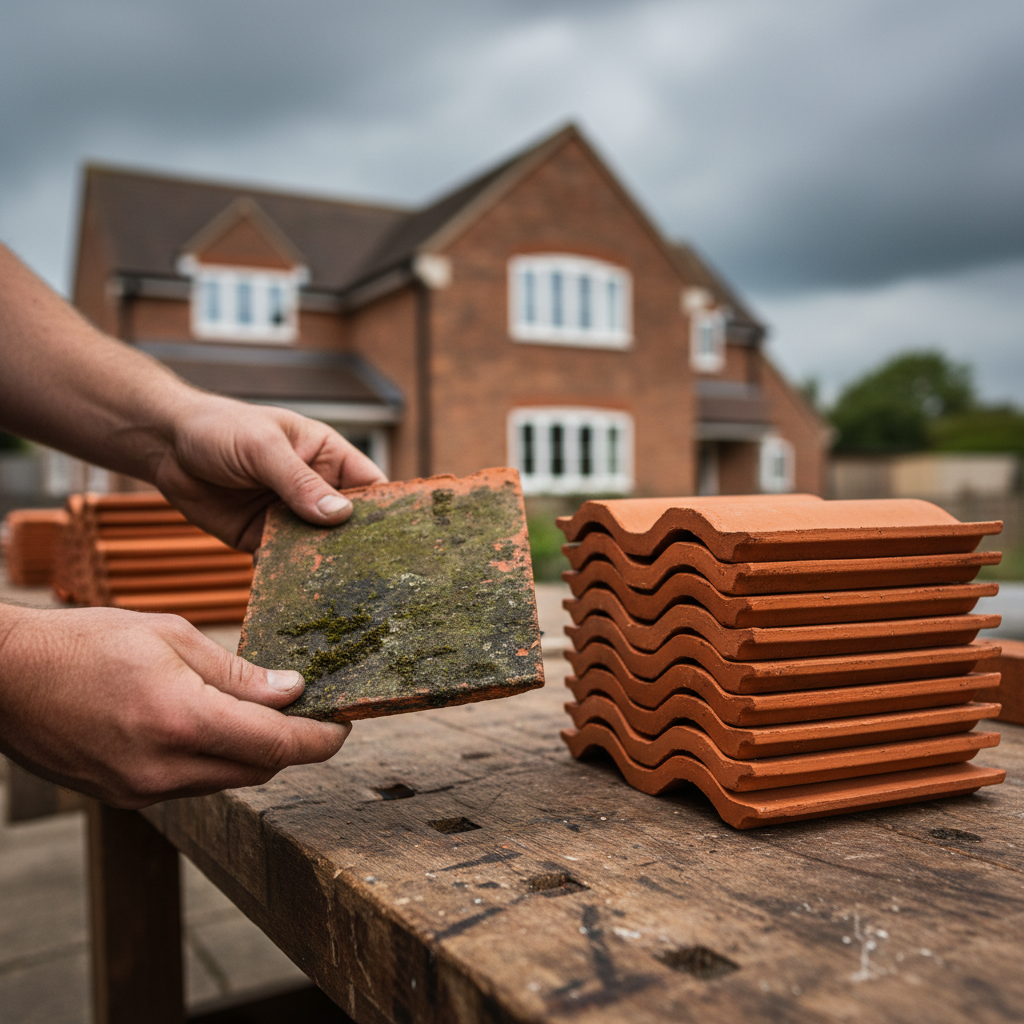
If your home was built forty or fifty years ago, the tiles on your roof have lived a life. They have been battered by East Midlands rain, scorched by the sun, and covered in a thin layer of lichen or moss. This creates a patina that you simply cannot buy off the shelf.
Even if the manufacturer still makes the exact same model, a brand new batch will look jarring next to tiles that have sat there since 1980. The manufacturing processes have changed too. Modern kilns produce more uniform colours, whereas older tiles often had subtle variations in shade that gave the roof character.
We usually find that a direct replacement looks too clean. It is like putting a brand new door on a vintage car. It fits, but it does not belong.
The Search for Reclaimed Materials
For many Derby extensions, reclaimed tiles are the only way to go. We spend a lot of time visiting local yards to find batches that match the specific weathering of a street or neighbourhood.
There is a specific art to this. You have to look at the texture as much as the colour. A smooth Rosemary tile from one era might have a slightly different camber than one from ten years later. If the shape is off by even a few millimetres, the lines of the roof will look wonky.
Here is what we look for when sourcing materials for a match:
- The specific clay or concrete composition.
- The level of surface grit or smooth finish.
- The thickness of the tile profile.
- Signs of natural weathering that match the host building.
- The manufacturer mark on the underside of existing tiles.
The Blending Technique
Sometimes you cannot find enough reclaimed tiles to do the whole extension. Or perhaps the budget does not allow for a full roof of vintage materials. This is where a bit of trade experience comes in handy.
We often suggest a blending technique. Instead of putting all the new tiles on the extension and leaving the old ones on the house, we mix them. We take some of the original tiles from the back of the house and pepper them into the new roof area. Then, we put the new tiles in less visible spots or mix them in so the eye is not drawn to one solid block of new colour.
It takes more time. It is fiddlier than just laying rows of new concrete. But it is the difference between a job that looks professional and one that looks like a DIY project gone wrong.
Dealing With Discontinued Ranges
In Derby, we have a lot of houses from the 1930s and 1960s. Many of the companies that made those original tiles went out of business decades ago. When a tile is discontinued, you have to find a modern equivalent that mimics the dimensions.
If the dimensions are wrong, the tiles will not interlock. This is not just an aesthetic issue; it is a structural one. Leaks happen when tiles do not sit flush. We have to be incredibly careful here. If we cannot find a safe match, we might suggest re-roofing a whole elevation to ensure the building stays watertight, using the salvaged tiles for repairs elsewhere.
Local Planning and Aesthetics
If you live in a conservation area in Derby or Nottingham, the council might have a say in what you put on your roof. They often insist on like-for-like replacements. We have worked on projects where the planning officer was very specific about the type of clay tile required.
In these cases, we do not just guess. We get samples. We lay them out on the ground next to the house so the homeowner can see how they look in different lights. A tile that looks grey in the morning can look almost blue in the afternoon sun. You have to see it in situ before you commit to buying a few thousand of them.
The Cost of Getting It Right
I will be honest: sourcing matching tiles is usually more expensive than just buying whatever is on sale at the builders' merchant. Reclaimed tiles have a higher price tag because they are in limited supply and require manual sorting.
However, you have to think about the resale value of your home. A mismatched extension is a red flag for buyers. It suggests the work was done on the cheap. By investing a bit more in the tile match now, you protect the overall look and value of the property.
Practical Tips for Homeowners
If you are planning an extension, try to keep a few spare tiles from any previous repairs. Even a broken tile can help us identify the manufacturer and the specific range.
Also, do not wait until the rafters are up to start thinking about the tiles. The best reclaimed batches get snapped up quickly. We like to start the sourcing process as soon as the foundations are in. This gives us the best chance of finding a perfect match rather than settling for something that is just okay.
We have been doing this for 20 years across Derby, Nottingham, and Leicester. We have seen every type of roof tile imaginable. Whether it is a small leak repair or a full extension roof, we take the time to make sure the finish is right. It is about more than just keeping the rain out; it is about keeping the character of your home intact.