
Matching Old Roof Tiles: A Guide for Derby Homeowners
Sam R.·Aug 19, 2026
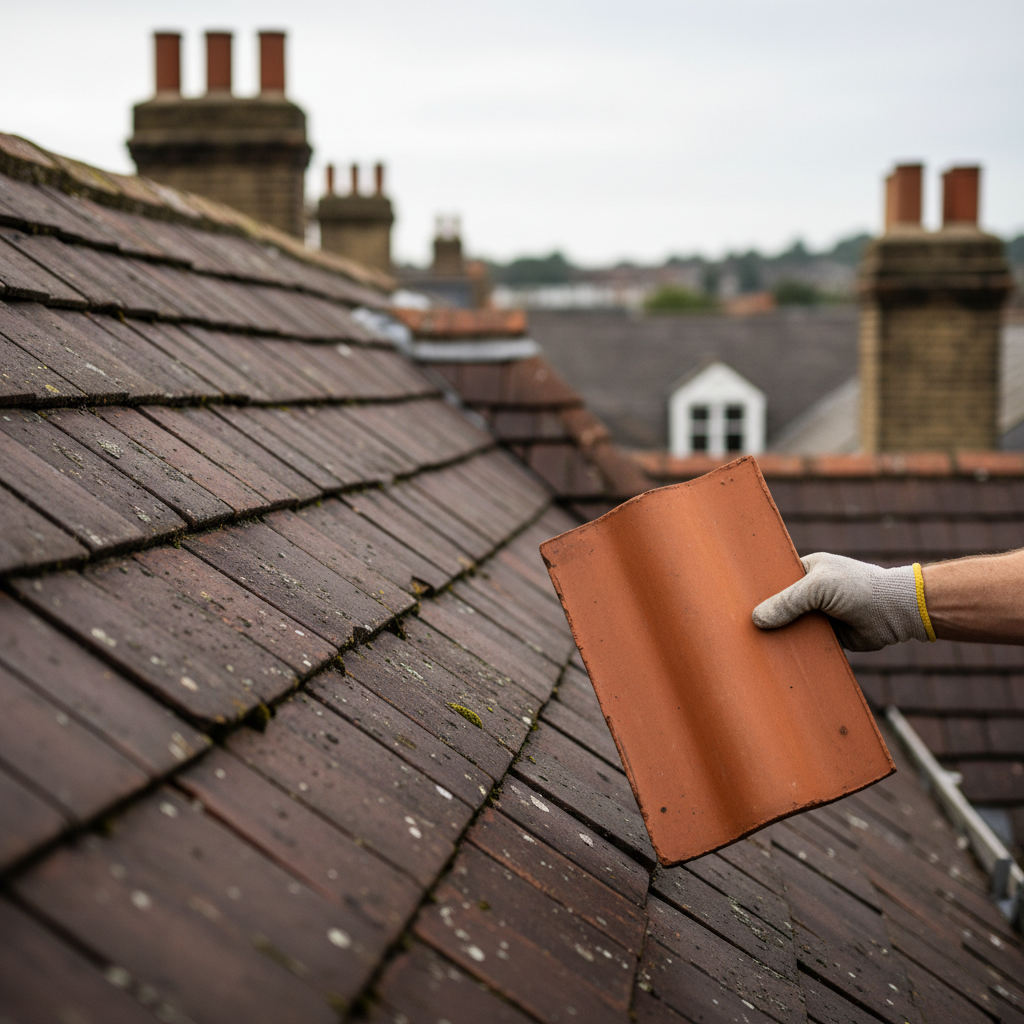
The Problem with Partial Roof Repairs
Most homeowners in Derby don't think about their roof tiles until a storm hits or a leak appears in the attic. When that happens, the goal is simple: fix the hole. But if you live in one of the Victorian terraces near the city centre or a 1930s semi in Chaddesden, you'll quickly realise that buying a few tiles isn't as straightforward as a trip to the local builders' merchant.
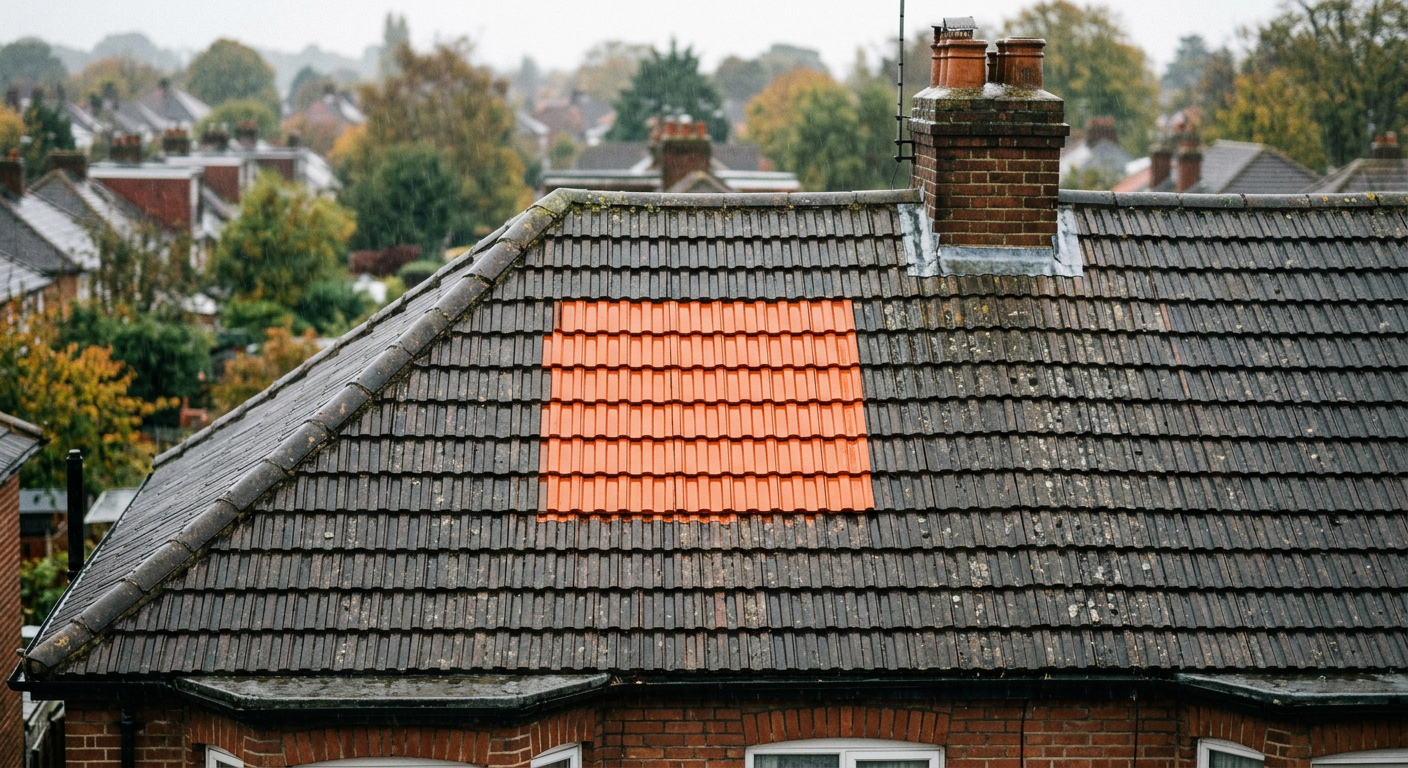
Modern tiles rarely look right on older roofs. If you pick the wrong ones, your house ends up looking like a patchwork quilt. Beyond the aesthetics, using the wrong tile can actually cause structural issues. Tiles that don't interlock properly or have different weights can let water seep through during a typical East Midlands downpour.
After 20 years of working on roofs across Derby, Nottingham, and Leicester, we've seen every possible tile mismatch. Getting it right requires a bit of detective work and an understanding of how materials age.
Why Modern Tiles Don't Just Fit
It's tempting to think a red clay tile is just a red clay tile. In reality, manufacturing processes have changed significantly over the last century. Older tiles were often hand-pressed or produced in local kilns that no longer exist. The clay itself came from different pits, giving it a unique mineral composition and colour profile.
Then there's the weathering. A tile that has sat on a roof in Derby for sixty years has been battered by soot, rain, and sun. Even if you find the exact same model of tile brand new, it will look jarringly bright compared to your existing roof.
Size is another hurdle. Standards for tile dimensions have shifted. A few millimetres of difference might not seem like much when you hold a tile in your hand. However, across a whole row, those millimetres add up. If the tiles don't sit flush, the wind will eventually catch them or rain will blow underneath.
Identifying Your Current Tiles
Before you start searching for replacements, you need to know exactly what you have. Most roofs in our area fall into a few specific categories. Knowing these terms helps when you're talking to a specialist or a reclamation yard.
- Rosemary Tiles: These are very common in Derby. They are small, clay plain tiles, usually reddish-brown. They give a classic, textured look but are prone to cracking as they age.
- Pan Tiles: These have an 'S' shape. You'll see these on many older cottages and some mid-century builds. They overlap in a specific way that makes them tricky to match if the profile is slightly off.
- Concrete Interlocking Tiles: Popular in the 60s and 70s. These are heavier and larger. The challenge here is that many of the original manufacturers have gone out of business or changed their moulds.
- Slate: While not a tile, many Derby homes use Welsh slate. Matching these is more about thickness and the specific quarry 'grain' rather than a manufactured pattern.
The Search for Reclaimed Materials
For a truly invisible repair, reclaimed tiles are usually the best bet. These are tiles salvaged from other buildings of the same era. Because they've already spent decades outside, the colour and patina will naturally match your roof much better than anything fresh from a factory.
We often source these from specialist yards across the East Midlands. It takes more time than ordering from a catalogue, but the result is worth it. When we look for reclaimed tiles, we aren't just looking at the colour. We check for 'spalling', which is when the surface of the tile starts to flake off. A reclaimed tile is only good if it's still structurally sound.
Sometimes, you might find that the exact tile you need is no longer available anywhere. In those cases, we look for a 'close match' and use a technique called blending. Instead of putting all the new tiles in one big patch, we mix them in with the old ones across a larger area. This tricks the eye and prevents that obvious square of different-coloured tiles.
Why Professional Matching Matters
It's not just about how it looks from the pavement. A roof is a system. Every tile works with its neighbours to shed water. When you introduce a tile with a different weight or a slightly different camber, you create stress points.
Over time, this can lead to the surrounding tiles cracking. We've been called out to many 'leaking' roofs in Nottingham and Leicester where the actual problem was a poor repair job done five years prior. A DIY fix or a cheap patch job often ends up costing more in the long run because it fails to address how the tiles interlock.
There's also the matter of your home's value. If you're looking to sell a property in a nice area of Derby, a botched roof repair is a massive red flag for surveyors. It suggests that the maintenance of the house hasn't been handled with care. A professional match keeps the character of the building intact and gives buyers confidence.
What to Do if You Find a Leak
If you notice a damp patch on your ceiling or see a slipped tile from the garden, don't wait. Water damage gets expensive very quickly. The first step is to get someone on a ladder who knows what they're looking at.
We usually start by identifying the tile type and assessing how many are actually damaged. Sometimes a tile has just slipped because a nail has rusted away, and the tile itself is perfectly fine to be reused. Other times, the 'hidden' damage under the tiles, like perished felt, is the real culprit.
We've spent two decades helping homeowners across Derby, Nottingham, and Leicester keep their roofs in top condition. Whether it's a few cracked Rosemary tiles or a full installation, we know how to find the right materials that fit the local architecture.
Don't settle for a roof that looks like a DIY project. Getting the match right is the difference between a quick fix and a lasting repair that protects your home for another twenty years.