Loft Insulation Derby: Saving Money and Staying Warm
Sam R.·Aug 22, 2026
Why Loft Insulation Matters in Derby
Most homeowners in Derby think about their roof only when a leak appears. We see it all the time. A customer calls us because they have spotted a damp patch on the ceiling, but often the root cause isn't just a slipped tile. It is how the house breathes. Loft insulation is one of those things that sits out of sight, but it does a massive amount of heavy lifting for your comfort and your wallet.
If your insulation is thin, old, or non-existent, you are essentially paying to heat the sky. Heat rises. That is basic physics. Without a proper barrier, that expensive warmth goes straight through your ceiling and out through the roof tiles. In a city like Derby, where the winter chill can be quite biting, having a well-insulated loft is the difference between a cozy home and one where you are constantly turning up the thermostat.
The Real Cost of Heat Loss
We have spent 20 years looking at roofs across Derby, Nottingham, and Leicester. One pattern we notice is that houses with poor insulation tend to age faster. When heat escapes into the loft space, it meets the cold underside of your roof tiles. This temperature difference causes condensation. Over time, that moisture rots the timber rafters and degrades the felt underlay.
Investing in quality insulation is not just about the monthly energy bill. It is about protecting the structure of your home. A dry, well-ventilated, and well-insulated loft space keeps the timber healthy. If you ignore it, you might find yourself needing a full roof installation sooner than you planned. It is much cheaper to roll out some mineral wool than it is to replace a whole roof structure.
Choosing the Right Materials
There is a lot of noise about what type of insulation is best. You will see ads for spray foams, silver foils, and various loose-fill options. In our experience, the traditional approach often works best for the typical brick semis and terrace houses we see in Derby.
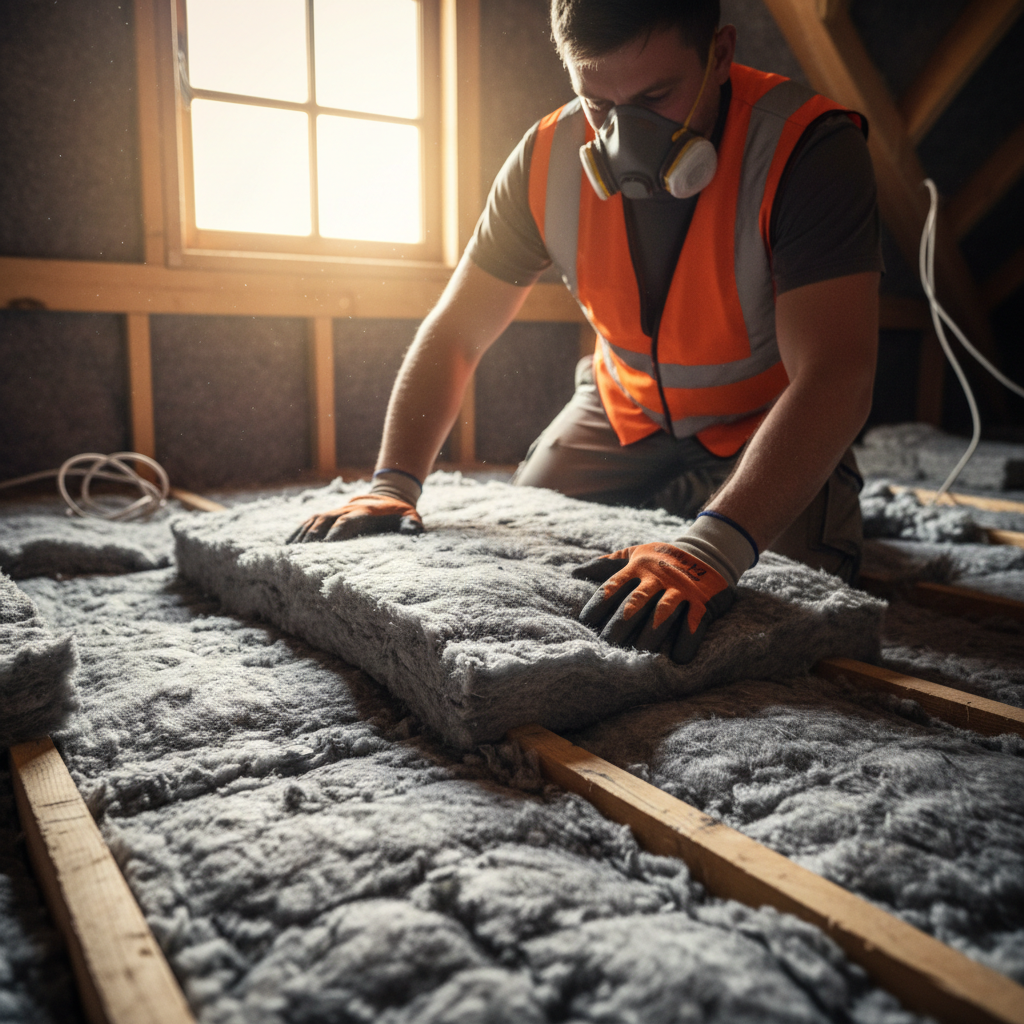
- Mineral Wool: This is the standard glass fiber or rock wool. It is fire-resistant and excellent at trapping heat. It is also relatively easy to install around joists.
- Sheep’s Wool: A more natural alternative that handles moisture well, though it tends to be more expensive.
- Rigid PIR Boards: These are great if you want to use your loft for storage, as they offer high thermal resistance without being as thick as wool.
What matters most is the depth. Current building regulations usually recommend around 270mm. If your house was built in the 70s or 80s, you might only have 50mm or 100mm up there. Topping it up is a straightforward job that pays for itself quickly.
The Common Mistakes We See
One of the biggest blunders people make is blocking the airflow. We have been called out to plenty of homes in Derby where the homeowner has pushed the insulation right into the eaves. While they were trying to be thorough, they actually blocked the soffit vents.
Without airflow, the loft becomes a greenhouse for mold. You need that gap at the edges so fresh air can circulate. If you don't leave a gap, you will start seeing black mold on your joists within a single winter. Another mistake is covering the electrical cables. Cables can overheat if they are buried under thick insulation, so they should be clipped above the material where possible.
Insulation and Roof Leaks
Sometimes people think new insulation will solve a damp problem. That is not always the case. If you have an active roof leak, the insulation will just act like a giant sponge. It will hold the water, get heavy, and eventually cause your ceiling to sag or collapse.
Before you spend money on insulation, you need to be sure your roof is watertight. We often perform roof tile matching and leak repairs for Derby residents before they go ahead with their energy efficiency upgrades. It is pointless putting down fresh wool if the felt underneath your tiles is perished.
Working Around Storage Needs
Many Derby families use their loft for Christmas decorations, old suitcases, and boxes of memories. If you just lay 270mm of wool and then put your boxes on top, you squash the fibers. Squashed insulation doesn't work. It relies on trapped air pockets to stop heat transfer.
If you need the storage space, you should look into loft legs or a raised flooring system. This allows you to have the full depth of insulation while maintaining a solid platform for your belongings. It also maintains that vital air gap between the insulation and the floorboards, preventing damp from building up under your storage boxes.
Local Knowledge Matters
Living in the East Midlands means dealing with a fair amount of rain and wind. The way a house in Derby is built to handle the weather is specific. We have worked on everything from Victorian villas near the city center to the newer builds out towards Mickleover. Each house has its own quirks when it comes to ventilation and heat retention.
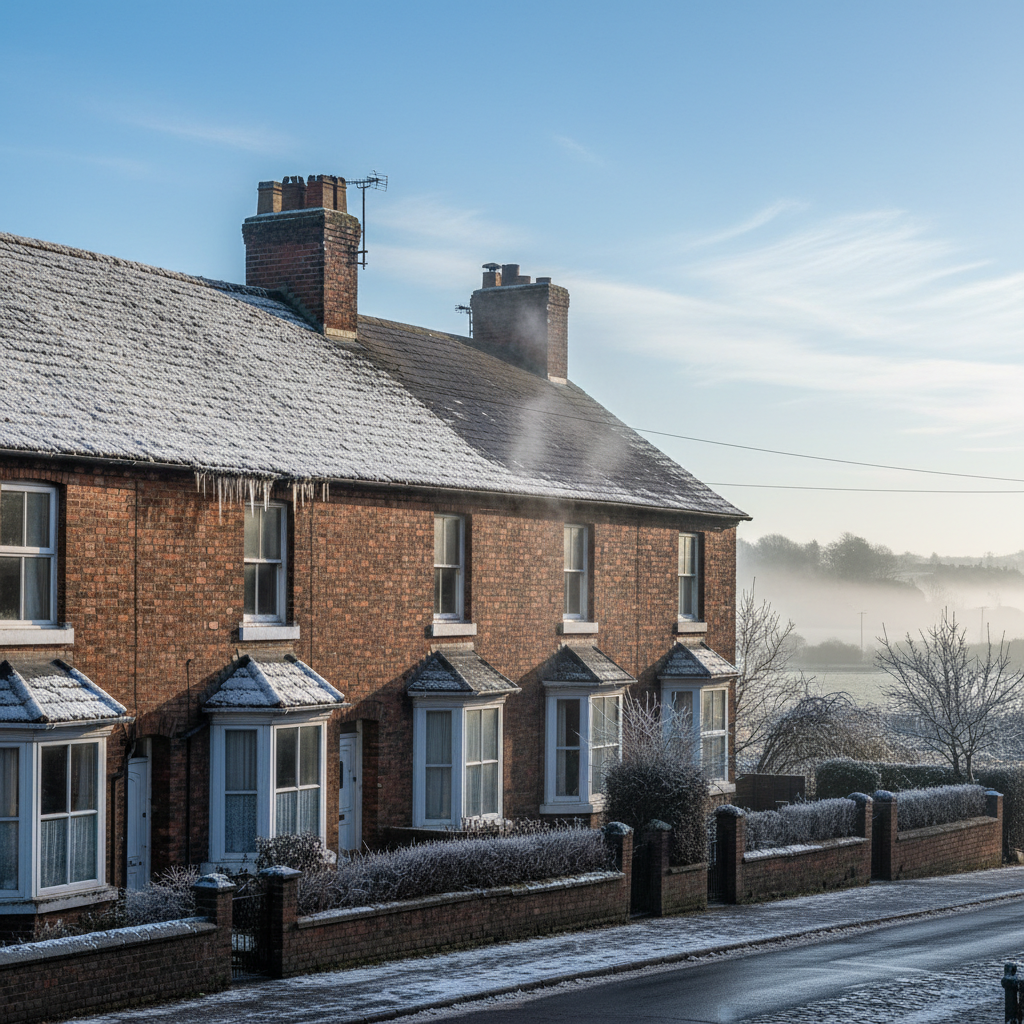
We always tell people to check their loft during a cold snap. If you see frost on the inside of your roof tiles, or if you see your neighbor's roof has snow on it while yours has melted, you have a heat loss problem. The snow stays on a well-insulated roof because the heat is staying inside the house where it belongs.
Taking the Next Step
Improving your loft insulation is one of the most effective ways to upgrade your home. It requires no moving parts, it doesn't break, and it starts working the second it is laid down. If you are worried about the state of your current insulation or if you have spotted signs of damp in your loft, it is worth getting a professional opinion.
We focus on making sure the exterior of your home protects the interior. Whether that is fixing a persistent leak or ensuring your tiles are correctly fitted to keep the wind out, we have the experience to help. A dry roof and a warm loft are the foundations of a comfortable Derby home.