
Leicester Chimney Flashing: Fixing Hidden Roof Leaks
The On the Roofing team·Sep 9, 2026
The Problem You Can't See
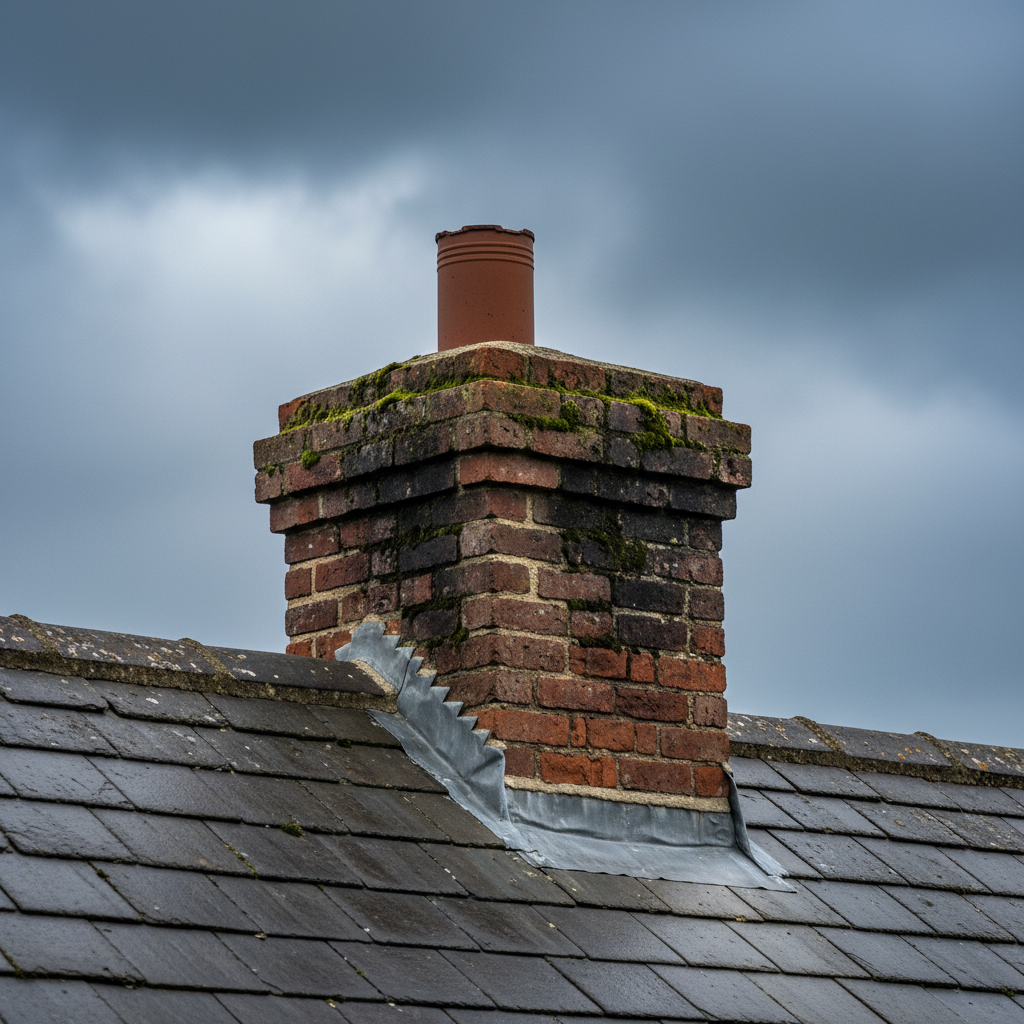
Most homeowners in Leicester don't think about their chimney until water starts dripping through the living room ceiling. By then, the damage is usually well underway. We've spent 20 years climbing onto roofs across the East Midlands, and if there's one thing we've learned, it's that the chimney is the most vulnerable point on any roof.
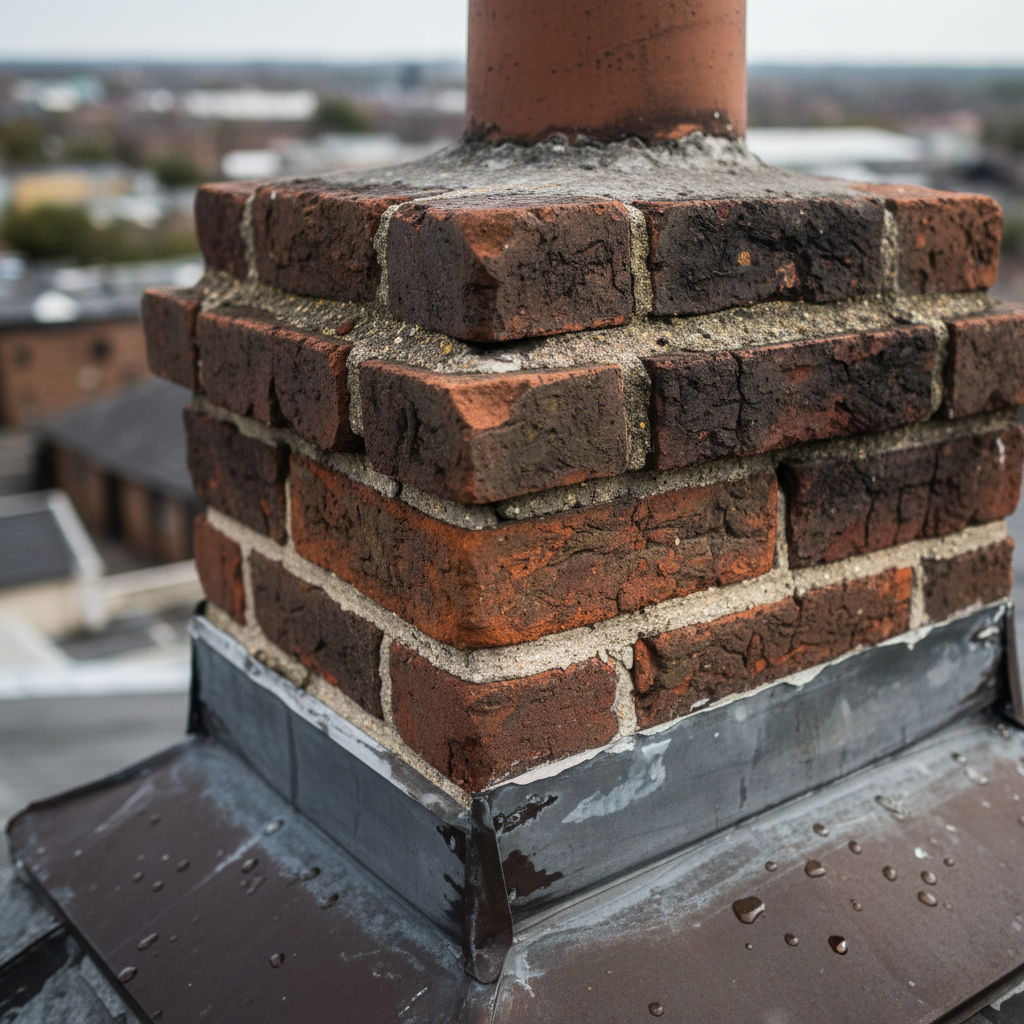
It isn't usually the bricks or the pots that fail first. It's the flashing. This is the thin material, usually lead, that creates a seal between the vertical chimney stack and the sloped roof tiles. When this seal breaks, water finds a direct path into your loft.
Why Chimney Flashing Fails
Weather in Leicester can be brutal on external masonry. You have constant cycles of rain, wind, and occasional frost. These elements cause materials to expand and contract at different rates. Over time, the mortar holding the lead flashing into the brickwork (the raggle) starts to crumble.
Once that mortar is gone, the lead can pull away. Even a gap of a few millimetres is enough for driving rain to get behind the metal. From there, gravity does the rest. The water runs down the back of the flashing, hits the roof timber, and starts to rot your rafters or soak your insulation.
Signs Your Flashing Is Struggling
You don't always need a ladder to tell if something is wrong. If you have a pair of binoculars, or even a good zoom on your phone camera, you can spot the early warning signs from the pavement.
- Loose Lead: If you see pieces of lead hanging off the chimney or looking warped, that's a red flag.
- White Staining: Look for salty, white streaks on the bricks around the flashing area. This is often a sign of water saturated masonry.
- Cracked Mortar: If the cement pointing where the lead meets the brick looks missing or cracked, water is getting in.
- Internal Damp: Brown patches on the chimney breast inside your house are the most obvious sign that the external seal has failed.
- Moss Growth: Heavy moss concentrated right around the base of the chimney suggests that area is staying damp for far too long.
The Danger of Quick Fixes
We often see DIY attempts where people have used bitumen tape or tubes of silicone sealant to try and stop a leak. In our experience, these are temporary bandages at best. Silicone doesn't bond well to old lead or dusty brickwork for long. Within a few months, the seal peels away, and you're back to square one.
Proper chimney flashing requires a specific technique. The lead needs to be stepped into the brickwork joints, secured with lead wedges, and then pointed with a high quality mortar or specialist lead sheet sealant. It's a craft that takes time to get right.
Roof Tile Matching Matters
When we work on chimneys in Leicester, we often find that previous repairs have damaged the surrounding tiles. If a contractor isn't careful, they can crack the tiles while trying to install new lead.
This is where experience comes in. You can't just throw any tile back on the roof. Leicester has a mix of Victorian terraces with slate and modern estates with concrete tiles. We make sure to match the existing tiles exactly. If you use the wrong profile or weight, you create new gaps that lead to even more leaks.
The Role of the Soaker
Most people only see the visible lead on the outside, which we call the cover flashing. But underneath the tiles, there's often another layer called soakers. These are L-shaped pieces of metal that sit under each course of tiles and turn up against the chimney.
If your roofer only replaces the top lead but ignores the rusted or missing soakers underneath, the leak will come back. It's a common mistake made by those looking to cut corners. We always check the hidden layers because that's where the real protection happens.
Prevention Is Cheaper Than Cure
It's much easier to repoint a chimney and secure the lead today than it is to replace rotten roof timbers and re-plaster a bedroom next year. We recommend having your chimney checked at least once every few years, especially after a particularly windy winter.
If you've noticed a small damp patch or you're worried about the state of your leadwork, it's worth getting a professional opinion. We've seen how quickly a small drip can turn into a major headache.
Working Across the East Midlands
Whether you're in a traditional home in Leicester, a newer build in Derby, or a property in Nottingham, the principles of good roofing don't change. It's about using the right materials and not rushing the details.
We've built our reputation over two decades by being honest about what needs doing. Sometimes it's a simple fix, and sometimes the lead is simply past its sell-by date and needs a full replacement. Either way, we'll tell you the truth and get the job done properly.
Final Thoughts on Chimney Health
Don't ignore the signs of a failing chimney. The flashing is your roof's first line of defence against the British weather. If it's looking tired or you've spotted water where it shouldn't be, give us a shout. We'll take a look, find the source of the problem, and make sure your home stays dry for years to come.