
Derby Roofer: Finding Quality Help for Local Roofs
Sam R.·Aug 28, 2026
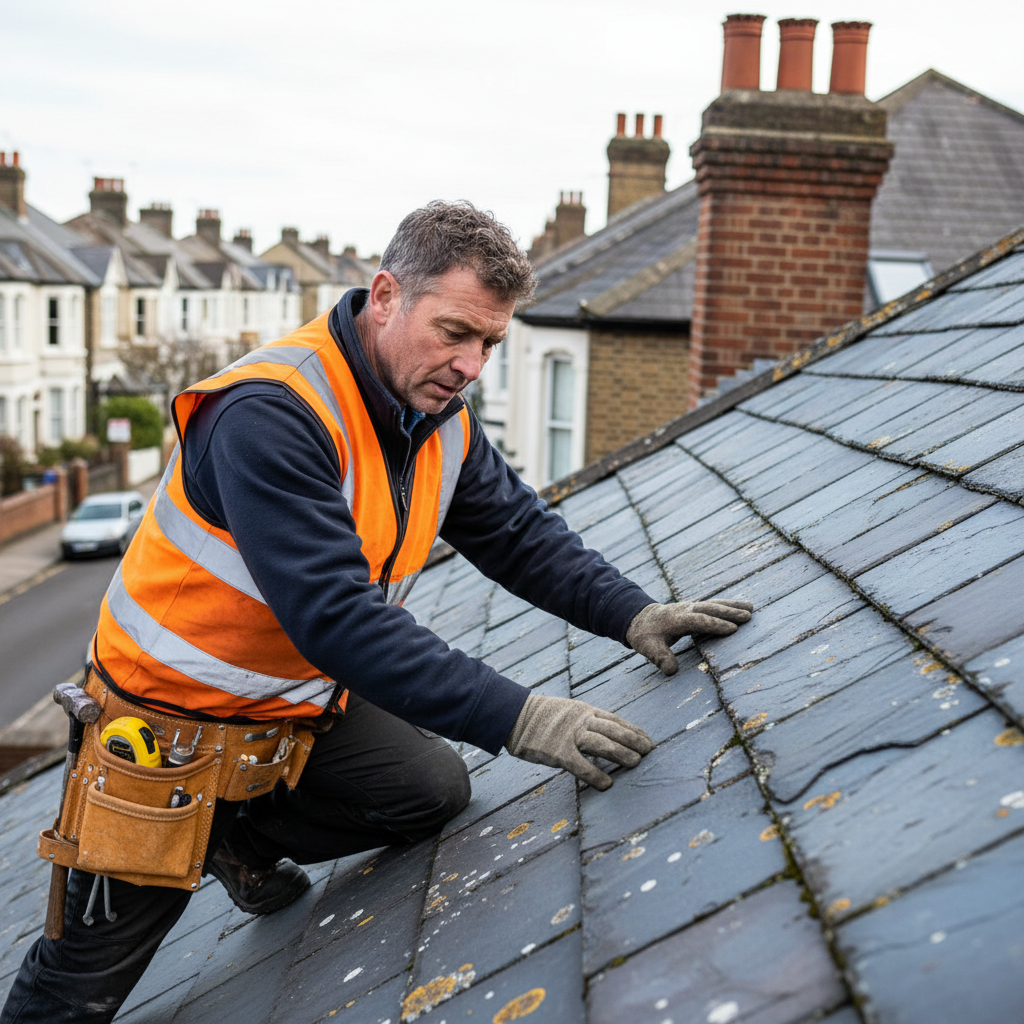
The Reality of Roofing in Derby
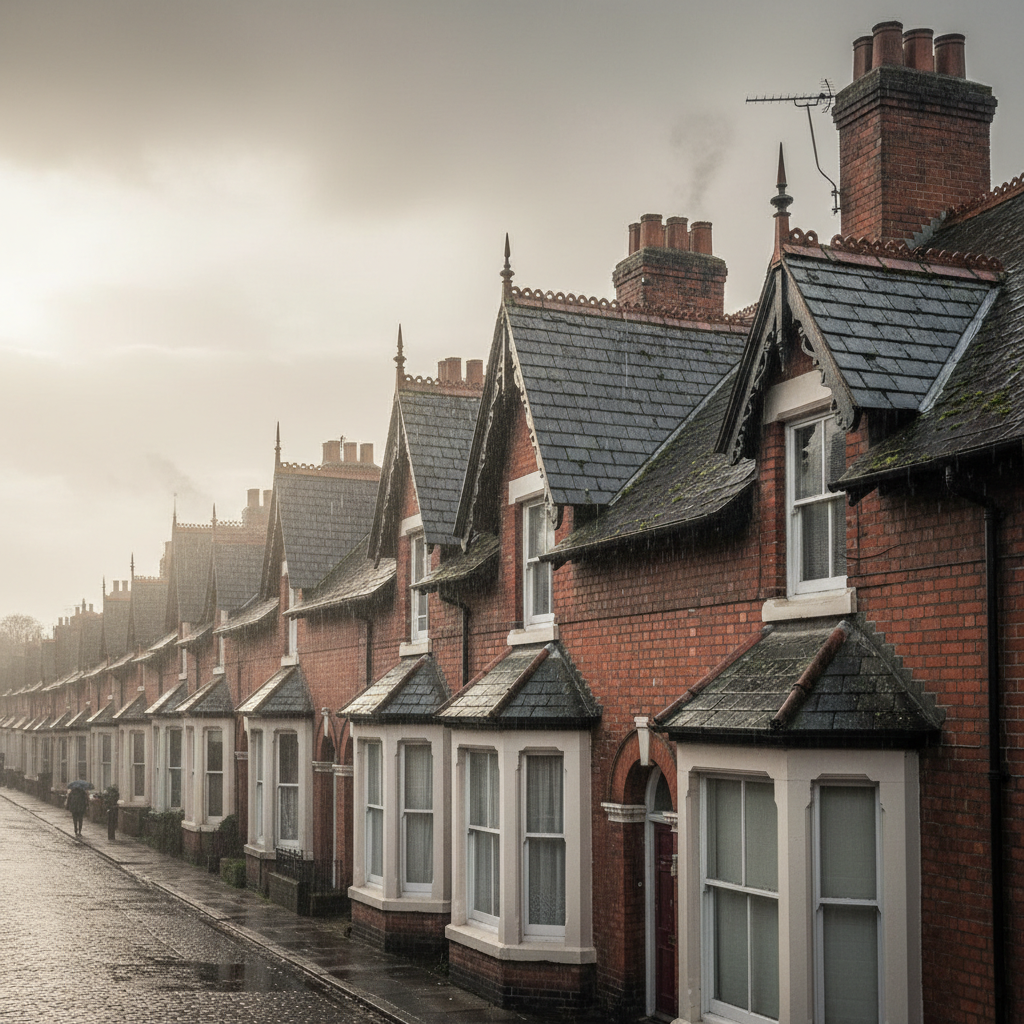
Most homeowners in Derby don't think about their roof until a damp patch appears on the ceiling. It's usually during one of those relentless East Midlands downpours when you realise that a few missing tiles are actually a major problem. Finding a Derby roofer who understands the local housing stock is more important than most people think.
We have been working across Derby for 20 years. In that time, we've seen everything from Victorian terraces in Chester Green to newer builds out towards Mickleover. Every era of housing comes with its own quirks. You can't treat a 100 year old slate roof the same way you treat a modern interlocking tile system. If you do, you're just asking for leaks a few months down the line.
Why Local Knowledge Matters for Your Roof
It sounds like a cliché, but Derby has a very specific architectural feel. If you live in one of the older parts of the city, your roof likely uses materials that aren't as common in other parts of the country. This is where roof tile matching becomes a massive headache for many contractors.
We often get calls from people who had a repair done by a general builder, only to find the new tiles stick out like a sore thumb. It isn't just about how it looks. Using the wrong weight or shape of tile can compromise the weatherproofing of the entire structure. When we work in Derby, we make it a priority to source materials that actually fit the character of the street. It keeps the heritage of the building intact and ensures the seal is tight.
Common Issues We See in Derby Homes
After two decades on ladders around here, we've noticed patterns. Certain areas struggle with specific issues more than others.
- Perished Underfelt: In many mid-century homes around Allestree or Chaddesden, the original bitumen felt is starting to crumble. It becomes brittle over time and ends up in the guttering, leaving your roof timbers vulnerable.
- Mortar Failure: The ridge tiles on older Derby properties often rely on old-school mortar. The freeze-thaw cycle we get in the Midlands is brutal on this stuff. It cracks, falls away, and suddenly your ridge tiles are just sitting there by gravity alone.
- Lead Flashings: On the larger detached houses, lead work around chimneys is a frequent failure point. If it wasn't installed with enough room to expand and contract, it splits.
These aren't always disasters if you catch them early. The problem is that most people wait until the water is already inside. A quick check after a storm can save you thousands in internal redecoration costs.
The Installation Process: What to Expect
If your roof has reached the end of its life, a full installation is the only way forward. It's a big investment, and honestly, it's a messy one. We don't sugarcoat that. There will be skips, there will be noise, and there will be a lot of old dust coming off the rafters.
We start by stripping the old materials right back to the bones. This is the only way to see if the rafters are still sound. If a roofer tells you they can just 'over-lay' a new roof on top of an old one to save money, walk away. It adds too much weight and hides rot. We install high-quality breathable membranes and treated timber battening before the final tiles go on. It's about building a system that lasts another 30 or 40 years, not just one that looks good for the next six months.
Spotting a Leak Before It Becomes a Flood
Roof leaks are sneaky. Water rarely travels in a straight line. It might enter near the chimney, run down a rafter, and then drip onto a ceiling three metres away. That's why we spend so much time in dark lofts with torches.
If you see a small yellow stain on your upstairs ceiling, don't ignore it. It might only drip when the wind blows from the east, but that water is slowly rotting your joists. In Derby, we find that heavy winds often lift tiles just enough for rain to get driven underneath. A simple repair now is a lot cheaper than a structural timber replacement later.
How to Choose the Right Contractor
There are plenty of people offering roofing services in Derby, but not all of them have the track record to back it up. We always suggest looking at longevity. If a business has been around for 20 years, they've survived because their work holds up.
Check the reviews, but look for the details. Are people mentioning that the site was left clean? Did the roofer show up when they said they would? These small things tell you a lot about how the actual job will go. We've built our reputation on being straightforward. If a roof can be repaired, we'll tell you. If it needs replacing, we'll explain exactly why.
Final Thoughts on Derby Roofing
Your roof is the most important part of your home's envelope. It takes the brunt of everything the UK weather throws at it. Whether you are in the middle of Derby, or out in Nottingham or Leicester, the principles remain the same. Use good materials, don't cut corners on the felt, and make sure the person doing the work actually cares about the result.
We've spent two decades getting to know the roofs of this region. It's hard work, but there's a lot of satisfaction in knowing a house is bone dry because of a job well done. If you're worried about a damp patch or you think your tiles are looking a bit weary, it's always better to get a professional opinion sooner rather than later.