
Derby Roof Repairs: Finding and Fixing Common Issues
Sam R.·Aug 25, 2026
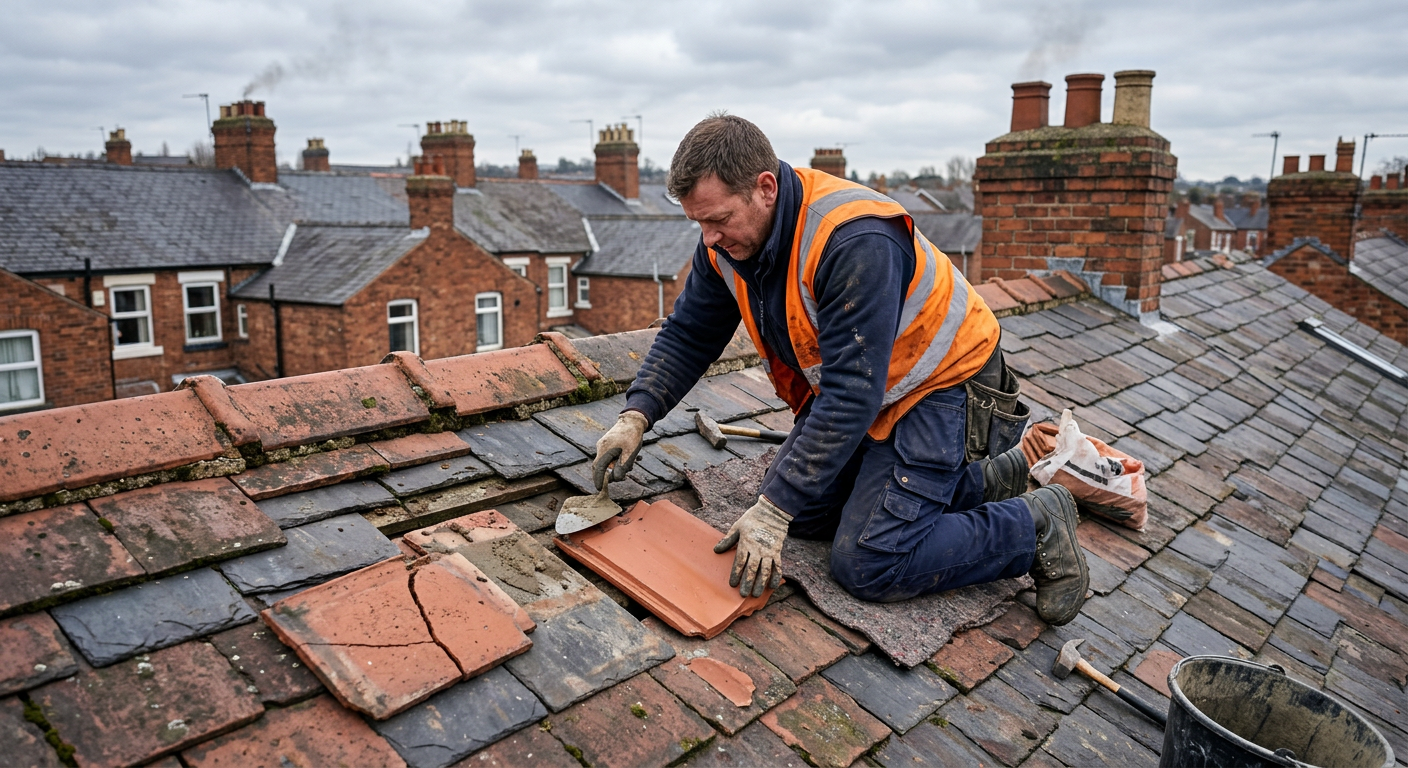
The Reality of Roof Maintenance in Derby
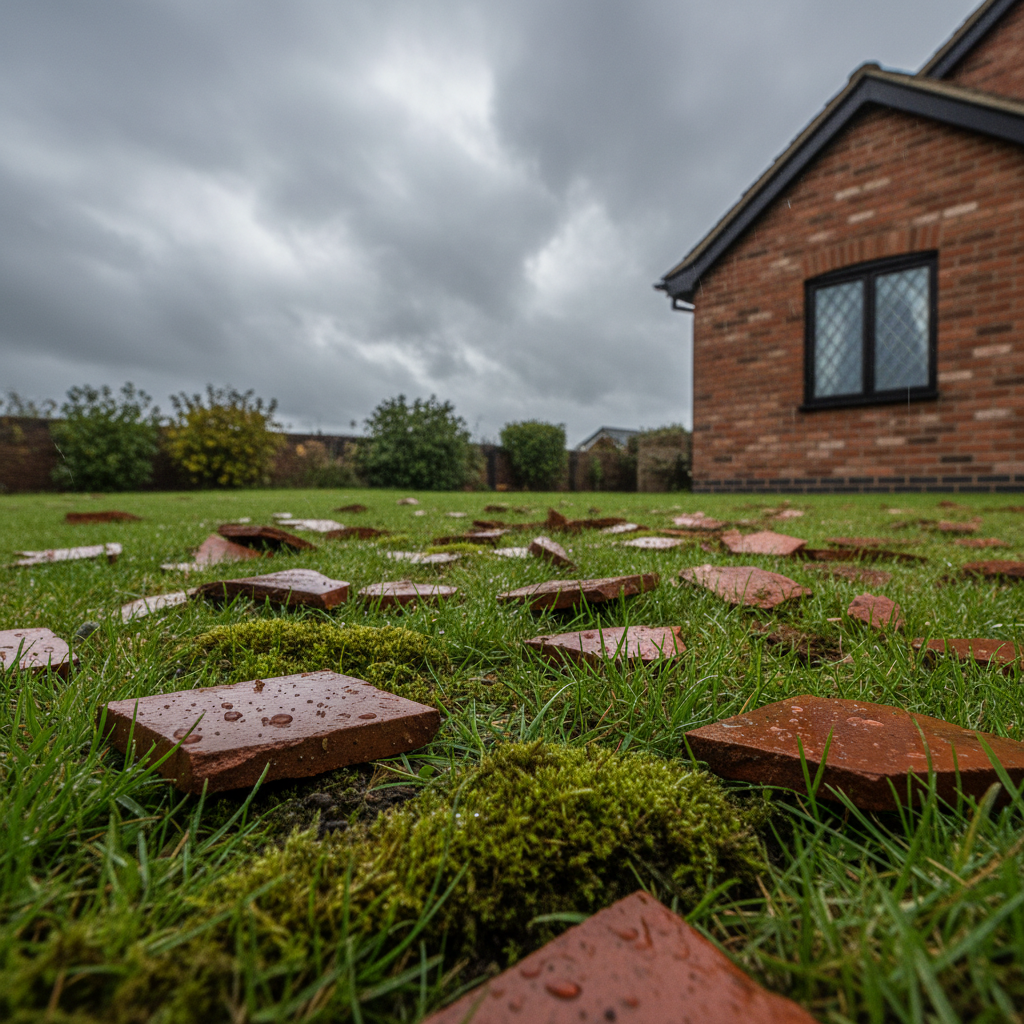
Most homeowners in Derby don't think about their roof until a damp patch appears on the upstairs ceiling. It is an easy mistake to make. You assume the tiles are doing their job because they have been there for decades. The reality is that the East Midlands weather, with its mix of heavy rain and sudden frosts, puts a lot of stress on older properties.
After 20 years in the trade, we have seen that most big repairs start as small issues that were simply ignored. A slipped tile or a bit of cracked mortar might not look like much from the ground. However, once water finds a path under the felt, it rarely stops until it hits your plasterboard.
Spotting the Signs Early
You do not need to be a professional to spot potential trouble. A quick walk around your garden after a storm can tell you a lot. Look for pieces of grey slate or red clay on the grass. If you see debris, something has failed up top.
Inside the house, look for subtle changes. A musty smell in the loft or dark spots on the rafters are classic signs of a slow leak. These are often harder to find than a major hole because the water tends to travel along the timber before it actually drips.
Why Roof Tile Matching Matters
Derby has a huge variety of housing stock, from Victorian terraces to modern estates. One of the biggest frustrations for homeowners is a repair that looks like a patchwork quilt. Using the wrong tile does more than just hurt your kerb appeal. If the interlocks do not match perfectly, the wind can lift them, or water can blow underneath during a storm.
We spend a lot of time on roof tile matching because it is the only way to ensure the repair lasts as long as the original roof. Whether it is old Rosemary tiles or modern concrete slabs, getting the right fit is non negotiable for a dry home.
Common Causes of Roof Leaks
Leaks rarely happen in the middle of a flat surface. They usually start at the joints or where the roof meets a wall. Here are the most frequent culprits we see across Derby, Nottingham, and Leicester:
- Failed Flashing: The lead work around chimneys or in valleys can crack over time. Once the seal is gone, water pours straight in.
- Perished Underlay: On older roofs, the bitumastic felt becomes brittle. If a tile slips, there is no second line of defence.
- Blocked Gutters: When water cannot flow away, it backs up under the eaves and rots the fascia boards.
- Cracked Ridge Mortar: The mortar holding the top tiles in place eventually crumbles, leaving the highest point of your home vulnerable.
The Problem with Temporary Fixes
It is tempting to grab a ladder and a tub of sealant to try and patch a leak yourself. Truth be told, these quick fixes almost always fail within a few months. Silicone sealant is not designed to withstand the expansion and contraction of a roof throughout the seasons.
When you apply a patch, you might stop the visible drip, but you could be trapping moisture against the wooden battens. This leads to rot, which is far more expensive to fix than a simple tile replacement. Doing it right the first time is always the cheaper option in the long run.
Choosing Between Repair and Installation
How do you know when a repair is no longer enough? It usually comes down to the frequency of the issues. If you are calling someone out every time it rains hard, the structural integrity of the roof might be reaching its limit.
Most concrete tile roofs have a lifespan of about 50 to 60 years. If your home was built in the mid 20th century and hasn't been touched since, a full roof installation might be more cost effective than constant patching. We always look at the state of the timber and the felt before making a recommendation. If the bones of the roof are good, a repair is fine. If the wood is soft, it is time for a change.
Working in the East Midlands
Serving Derby, Nottingham, and Leicester gives us a unique perspective on local building styles. The way a roof is constructed in a leafy suburb of Leicester can differ significantly from a dense terrace in Derby. Understanding these local nuances helps us identify common failure points faster.
We have built a reputation based on great reviews and honest advice. We don't believe in upselling a full replacement when a few well placed tiles will do the trick. It is about building trust with the local community.
What to Expect During a Repair
A standard repair should not be a week long ordeal. Most tile replacements or flashing fixes can be completed in a single day. The process usually starts with a proper inspection to find the actual source of the leak, not just where the water is dripping.
Once we identify the cause, we source the matching materials and get to work. We make sure the site is clean before we leave. There is nothing worse than finding old nails or broken bits of slate in your driveway after the builders have gone.
Final Thoughts on Home Protection
Your roof is the most important part of your home's structure. It protects everything else, from your electrical wiring to your furniture. Taking care of small repairs now prevents the stress of a major ceiling collapse later.
If you have noticed a damp patch or a missing tile, do not wait for the next big storm to act. Getting a professional opinion early can save you thousands of pounds and a lot of headaches.