
Derby Roof Leaks: The Danger of Damaged Valley Gutters
Sam R.·Sep 8, 2026
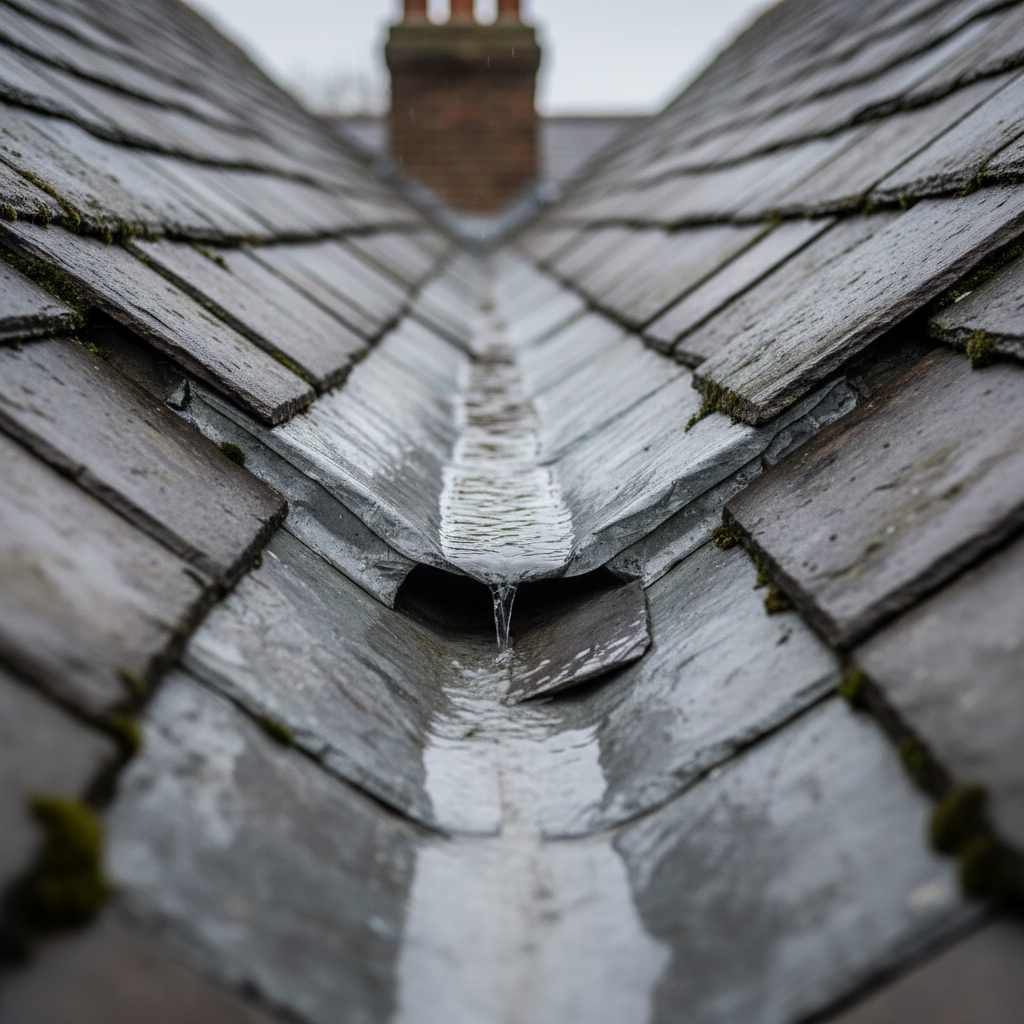
The Hidden Weak Point on Your Roof
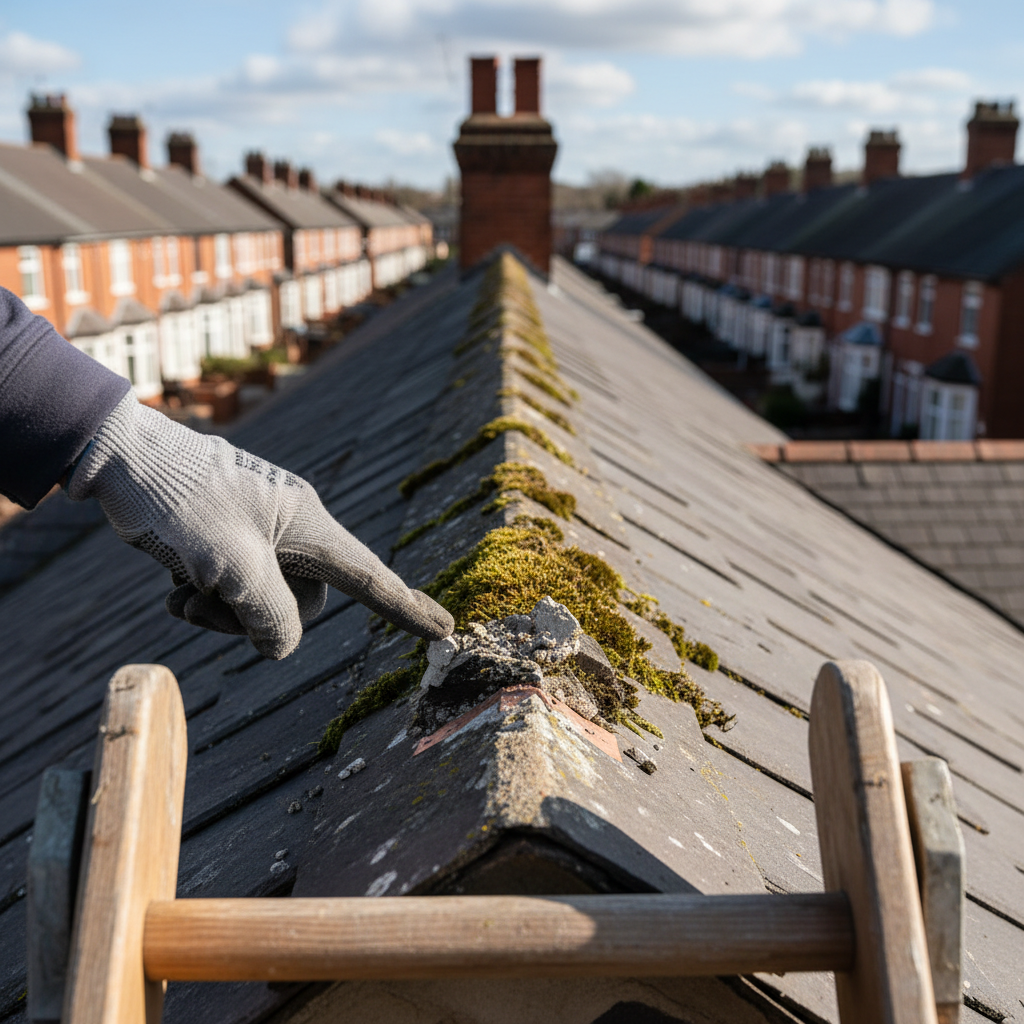
Most homeowners in Derby don't spend much time thinking about their roof valleys. You usually only notice them when water starts dripping through the plasterboard in your landing or bedroom. After 20 years of fixing roofs across the East Midlands, I've seen that a huge percentage of leaks start in these specific junctions.
A valley gutter is where two roof slopes meet at an angle. It creates a natural channel for rain to run down into your main guttering. Because these areas handle a massive volume of water, they're under constant pressure. If the lead is cracked or the mortar has perished, you're going to have a problem.
Why Derby Homes Face This Issue
Derby has a lot of traditional terraced houses and older detached properties. Many of these buildings use lead-lined valleys or mortar-bedded tiles. Over time, the thermal expansion and contraction (the way materials grow and shrink as the temperature changes) causes the lead to split.
We often see valleys that were installed decades ago. The lead reaches the end of its life and develops tiny pinholes. You might not see a flood right away. Instead, you get a damp patch that grows every time we have a typical British downpour. By the time you see the stain on the ceiling, the timber rafters underneath have likely been damp for months.
Common Signs Your Valley Gutter Is Failing
It isn't always obvious that the valley is the source of your leak. Water is sneaky. It can enter at the top of a valley and travel two metres down a beam before it finally drips onto your ceiling.
Here are a few things we look for during a roof inspection:
- Cracked or missing mortar along the edge of the valley tiles.
- Visible splits or 'steps' in the lead flashing.
- Debris like leaves and moss building up in the channel, causing water to back up.
- Loose tiles that have slipped into the valley gutter itself.
- Dampness in the loft space directly under the internal roof intersection.
If you notice any of these, it's worth getting someone to take a look. Ignoring a small split in a valley is a recipe for a much bigger repair bill later on.
The Problem With Debris and Blockages
One of the biggest issues we see in areas like Mickleover or Allestree, where there are lots of mature trees, is simple blockage. Moss and leaves love to settle in roof valleys. When the water can't flow freely down the channel, it rises.
Once the water level gets higher than the 'upstand' (the side of the lead valley), it flows over the edge and straight into your roof space. This is why we always recommend keeping your roof clear of moss. It isn't just about how it looks; it's about making sure the drainage system can actually do its job.
Repairing vs Replacing a Valley
People often ask if we can just 'patch up' a leaking valley. While you can use sealants for a temporary fix, it's rarely a good long-term solution. The East Midlands weather is too unpredictable for quick fixes to last.
In our experience, if the lead has started to crack due to age, more cracks will follow. We usually suggest replacing the lead or installing a modern GRP (glass reinforced polyester) valley. GRP is a fantastic alternative because it doesn't have the scrap value of lead, which can be a concern in some areas, and it's incredibly durable.
When we do a roof installation or a major repair, we pay extra attention to the tile matching. There is nothing worse than a beautiful old Derby home with a bright, mismatched patch of new tiles. We make sure the replacement tiles blend in with your existing roof so the repair is invisible from the street.
Why Professional Help Matters
Working on a valley is tricky. You're right in the middle of two roof slopes, often at a steep pitch. It isn't a DIY job. You need to know how to dress the lead correctly and how to ensure the tiles are cut and bedded in a way that doesn't restrict water flow.
We've spent two decades refining how we handle these specific leaks. We know the local housing stock in Derby, Nottingham, and Leicester, and we know exactly where these roofs tend to fail.
Final Thoughts on Roof Maintenance
Don't wait for a storm to find out your valley is failing. A quick visual check from the ground with a pair of binoculars can often show you if mortar is falling out or if moss is piling up. If things look messy up there, it's better to deal with it now.
Keeping your valley gutters clear and intact is the simplest way to avoid the stress of a sudden roof leak. It keeps your home dry, protects your timber, and saves you money in the long run. If you're worried about a damp patch or you've spotted some slipped tiles, getting an expert opinion is the best next step.