
Derby Roof Leaks: Why They Happen More Often in Autumn
Sam R.·Sep 5, 2026
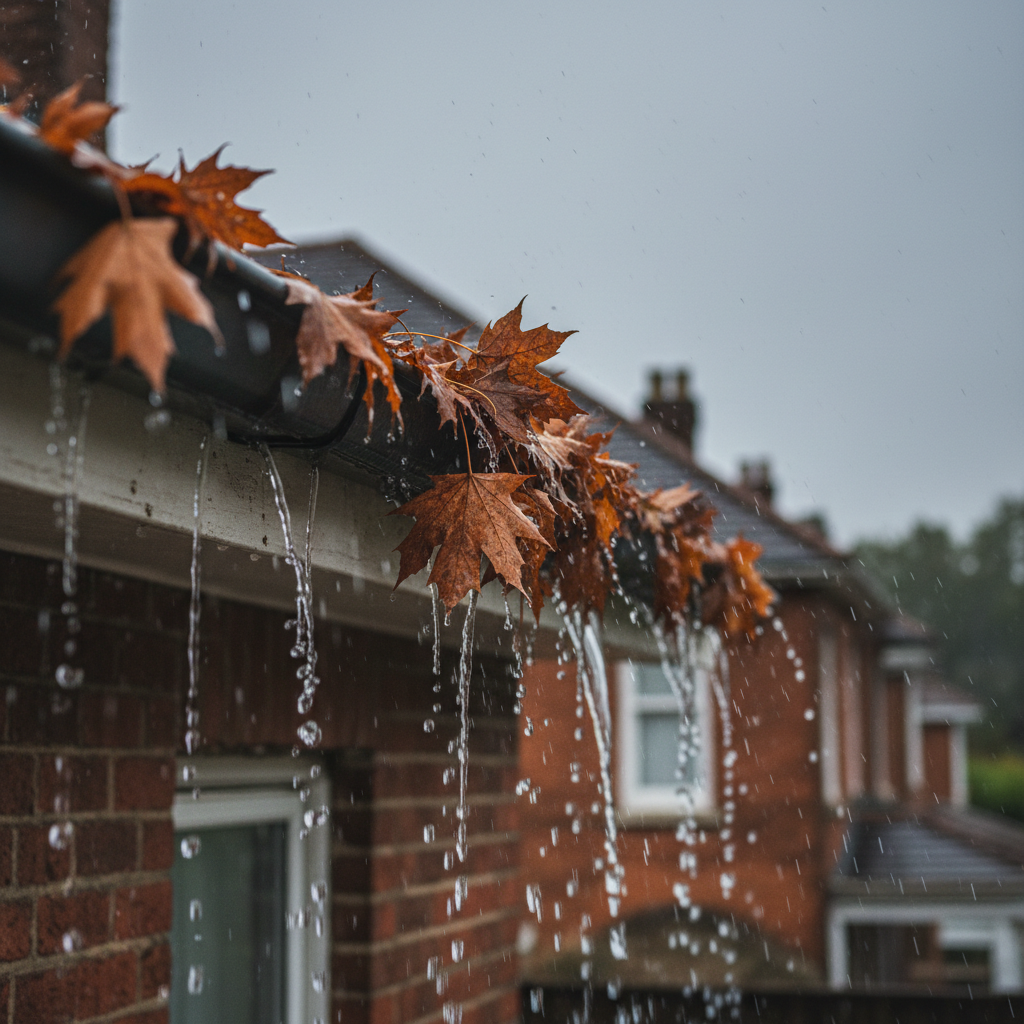
The Autumn Leak Surge in Derby

Every year around October, my phone starts ringing a lot more. It is not a coincidence. After twenty years of fixing roofs across Derby and Nottingham, I have noticed a very specific pattern. The transition from a dry summer to a wet autumn puts a unique kind of stress on local homes that most people do not think about until they see a damp patch on their bedroom ceiling.
Most homeowners assume a leak happens because of a single, massive storm. While a heavy downpour is often the trigger, the actual cause usually started months ago. Autumn is simply the time when these hidden weaknesses get exposed by the changing weather. If you live in an area like Mickleover or Allestree with older housing stock, your roof is likely facing specific challenges right now.
The Thermal Shock Factor
We talk a lot about rain, but temperature changes are just as dangerous for your roof tiles. During a typical East Midlands autumn, we get warm afternoons followed by frosty nights. This constant expansion and contraction is what we call thermal shock.
If you have older clay tiles or even modern concrete ones, this movement can cause existing hairline cracks to widen. A crack that was invisible in July becomes a wide gap by November. Once that happens, gravity does the rest. Water finds the path of least resistance, usually soaking into your felt lining or dripping directly onto your insulation.
Gutters and the Debris Trap
It sounds like a cliché, but leaves are the primary enemy of a dry home in autumn. Derby is a green city, and while the trees look great, they drop a massive amount of debris onto residential roofs.
When your gutters block up, the water has nowhere to go. During a heavy Derby rainstorm, that water backs up under the bottom row of tiles. Most roof systems are designed to shed water downwards. They are not built to withstand standing water pushing upwards. When the gutter overflows, it often rots the fascia boards or leaks into the wall cavity, which is a much bigger headache to fix than a simple tile replacement.
Why Roof Tile Matching Matters Right Now
One thing I see constantly is the result of poor previous repairs. If a homeowner had a leak three years ago and someone slapped on a tile that didn't quite fit, the autumn winds will find it.
In our region, we have a huge variety of heritage tiles and specific regional profiles. If the interlocking mechanism isn't a perfect match, the tile will sit slightly proud. This creates a wind tunnel. A strong gust can lift that tile just enough for rain to drive underneath it. This is why we put so much effort into roof tile matching. It isn't just about how the house looks from the kerb; it is about making sure the roof is a solid, watertight unit.
Common Autumn Roof Vulnerabilities
If you are wondering why your roof might be struggling this month, here are the usual suspects we find during our inspections:
- Degraded Mortar: The pointing on your ridge tiles or chimney stacks often crumbles after a dry summer, leaving gaps for autumn rain.
- Lead Flashing Fatigue: The lead around your chimney or in roof valleys can crack as it cools down, allowing water to seep into the internal structure.
- Slipped Tiles: High winds in late autumn are notorious for shifting tiles that were already slightly loose.
- Moss Growth: Moss acts like a sponge. In the damp autumn air, it stays wet for weeks, keeping moisture against your tiles and eventually causing them to rot or crack during a freeze.
The Problem With "Wait and See"
I often hear people say they will wait until spring to deal with a small damp spot. This is almost always a mistake. A small leak in October can become a collapsed ceiling by January.
When water gets into your roof space, it doesn't just stay on the surface. It soaks into the timber rafters. If those timbers stay wet throughout the winter, you are looking at potential wood rot or mould growth that affects the air quality in your home. Fixing a few slipped tiles or clearing the gutters now is significantly cheaper than a full roof installation later because the structural timber gave way.
Local Knowledge and Roof Health
Living in the East Midlands means dealing with a specific set of weather patterns. We get a lot of damp, misty mornings that don't allow roofs to dry out properly between rain showers. This constant moisture is the perfect environment for small leaks to worsen quickly.
When we look at roofs in Derby, Nottingham, or Leicester, we aren't just looking for holes. We are looking for signs of how the house is breathing. If your attic is too warm and the outside air is cold, you might even be dealing with condensation that looks like a leak. A professional eye can tell the difference between a plumbing issue, a condensation problem, or a genuine roofing failure.
Preparing Your Home for the Rest of the Year
Taking twenty minutes to walk around your garden and look up at your roof with a pair of binoculars can save you thousands of pounds. Look for anything that looks out of place, like a tile that is sitting at an odd angle or a valley that looks full of sludge.
If you notice something, get it looked at before the first real snow or heavy frost hits. Most autumn roof leaks are entirely preventable if you catch the warning signs early. It is much easier to fix a roof on a crisp October afternoon than it is during a freezing December gale.
Truth be told, your roof is the most hard-working part of your home. It takes the brunt of everything the UK weather throws at it. Giving it a little bit of attention during the autumn transition is the best way to ensure you stay dry and comfortable all the way through to next summer.