Derby Loft Insulation: Keeping Your Home Warm This Winter
Sam R.·Aug 31, 2026
The Reality of Derby Loft Insulation
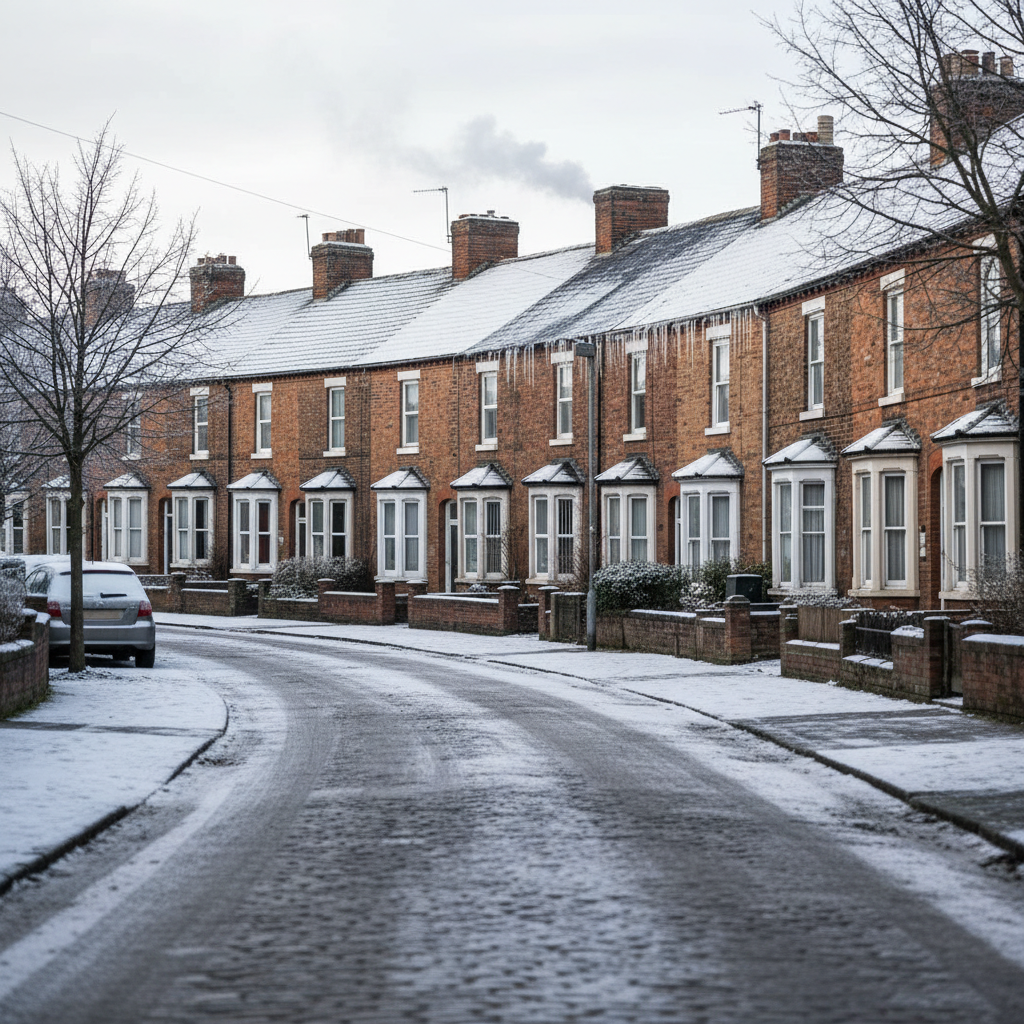
Most people in Derby don't think about their loft until the first frost hits. By then, you're already losing a massive chunk of your heating straight through the roof. We see it all the time when we're out on roof installations. You look at a row of houses after a light dusting of snow, and the ones where the snow melts instantly are the ones with terrible insulation.
If your loft isn't insulated properly, you're basically paying to heat the sky. After 20 years of working on roofs across Derby, Nottingham, and Leicester, we've noticed that many older properties still rely on thin, outdated materials that just don't do the job anymore.
Why Your Current Insulation Might Be Failing
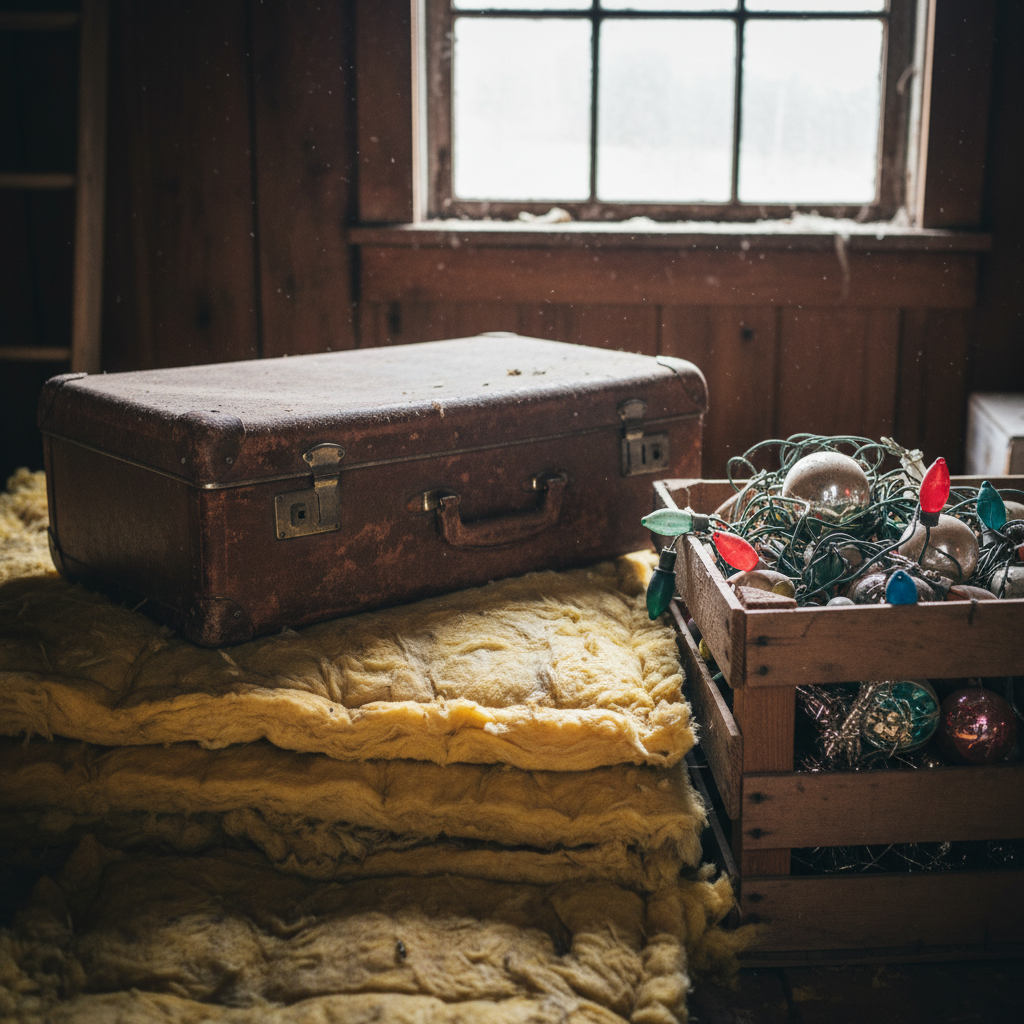
It isn't just about whether you have insulation. It's about the state it's in. We often find that older houses in areas like Mickleover or Allestree have insulation that has been squashed down by old suitcases or Christmas decorations. Once you compress that material, it loses its ability to trap air, which is how it actually keeps the heat in.
Another common issue is damp. If you have a small roof leak that hasn't been spotted, the water soaks into the insulation. Wet insulation is worse than no insulation at all because it can lead to timber rot and mould.
Choosing the Right Materials
There's a lot of talk about different types of spray foams and fancy foils, but for most residential roofs in Derby, standard mineral wool or sheep's wool rolls are the most practical choice. They're breathable, which is vital for the health of your roof timbers.
Here are a few things to consider before you start:
- Depth matters: The current recommendation is usually around 270mm. Most older homes only have about 100mm.
- Ventilation is key: You can't just stuff insulation into every corner. You need to leave gaps at the eaves so air can circulate. Without this, you'll get condensation.
- Pipe protection: If you're making the loft colder by keeping the heat in the rooms below, your water pipes in the loft are more likely to freeze. They need their own lagging.
- Wiring safety: Never cover electrical cables with deep insulation. They can overheat. They should be clipped above the material where possible.
The Problem With DIY Loft Insulation
It looks like a simple job on a Saturday morning. You buy a few rolls from the local DIY shop and roll them out. But the reality is often messier. We've been called out to many homes where a DIY job has caused a major condensation problem.
People often push the insulation right into the edges of the roof, blocking the soffit vents. Within a few months, the underside of the roof felt is dripping with water. This leads to damp patches on the ceilings below, which people often mistake for a roof leak.
When to Check Your Roof Before Insulating
Before you invest in new insulation, you need to be sure your roof is watertight. There's no point putting fresh material down if a slipped tile is letting rain in.
Because we specialise in roof tile matching, we can often spot where a repair is needed that others might miss. If you're in Derby and you've noticed damp smells or dark spots on your loft rafters, get the roof checked first. Insulation is the final step, not the first one.
Handling the Storage Issue
If you use your loft for storage, you can't just lay boards directly onto 270mm of insulation. This squashes the material and ruins the thermal effect. The best way to handle this is by using loft legs or a raised boarding system. This creates a platform for your floorboards while leaving enough space for the insulation to stay fluffy and effective.
It's a bit more work, but it's the only way to keep your storage space without sacrificing your energy savings.
Local Knowledge Matters
The housing stock in Derby is varied. From the Victorian terraces in the city centre to the newer builds on the outskirts, every roof behaves differently. Older roofs often have no felt at all, just lime parging under the tiles. These roofs need to breathe much more than a modern roof with a breathable membrane.
We've spent two decades understanding these nuances. Whether it's a full roof installation or a quick fix for a leak, we know how these systems work together.
Final Thoughts on Staying Warm
Getting your loft insulation right is one of the most cost effective things you can do for your home. It's not just about the money you save on bills, it's about how the house feels. You'll notice fewer draughts and the heat will stay in the rooms much longer after the boiler turns off.
Just remember to check the health of your tiles and your ventilation before you commit. A warm house is great, but a dry, well ventilated roof is what keeps the structure of your home safe for the long term.