
Roof Leak Causes in Derby, Nottingham, and Leicester
Sam R.·Aug 26, 2026
Why East Midlands Roofs Struggle
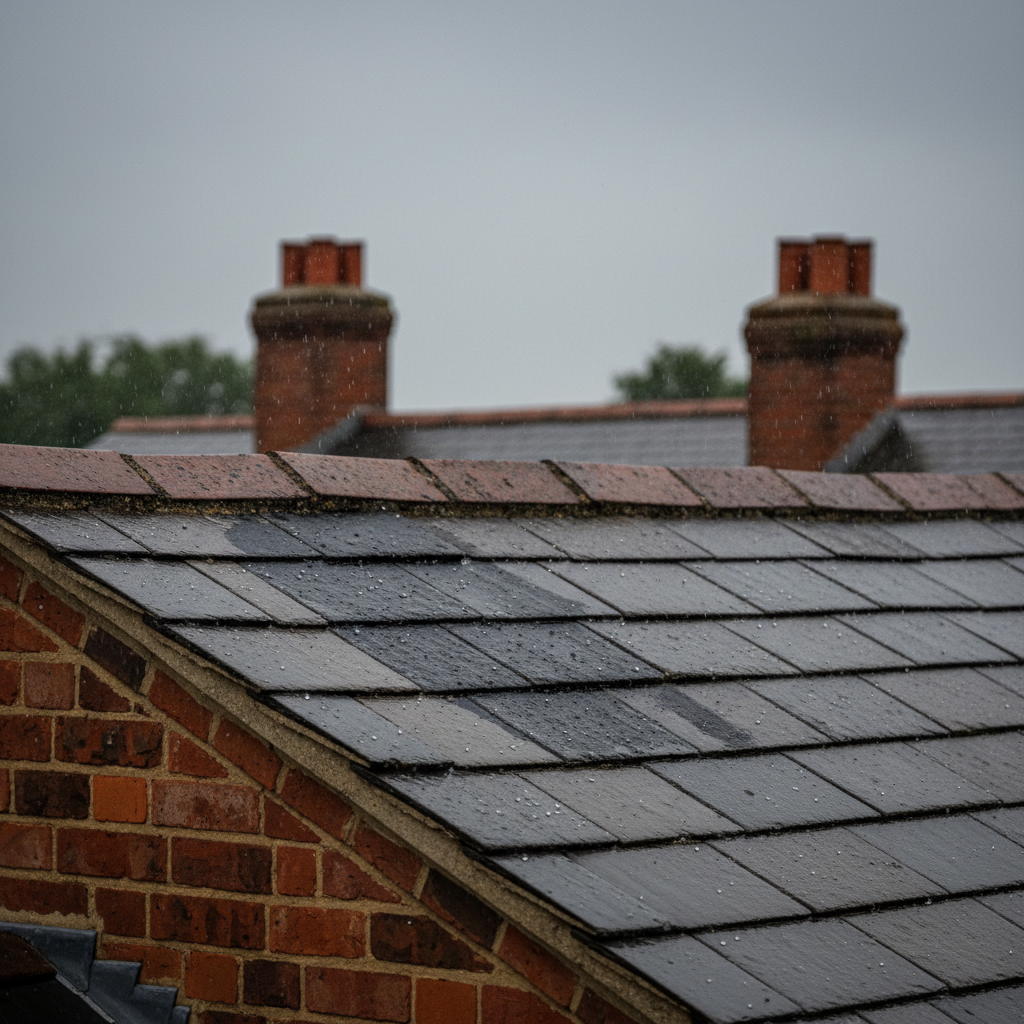
After two decades fixing roofs across Derby, Nottingham, and Leicester, I have seen almost everything. Most homeowners assume a leak is a sudden disaster. In reality, it is usually the result of long-term wear that finally found a way through. The weather in our part of the country does not help. We get a mix of heavy rain and sharp frosts that can pull even a well-built roof apart over time.
Finding a damp patch on your ceiling is frustrating. It usually happens at the worst time, like during a Sunday night storm. The good news is that most leaks come down to a handful of common culprits. Once you know what to look for, you can often catch the problem before it requires a full roof installation.
Slipped or Broken Tiles
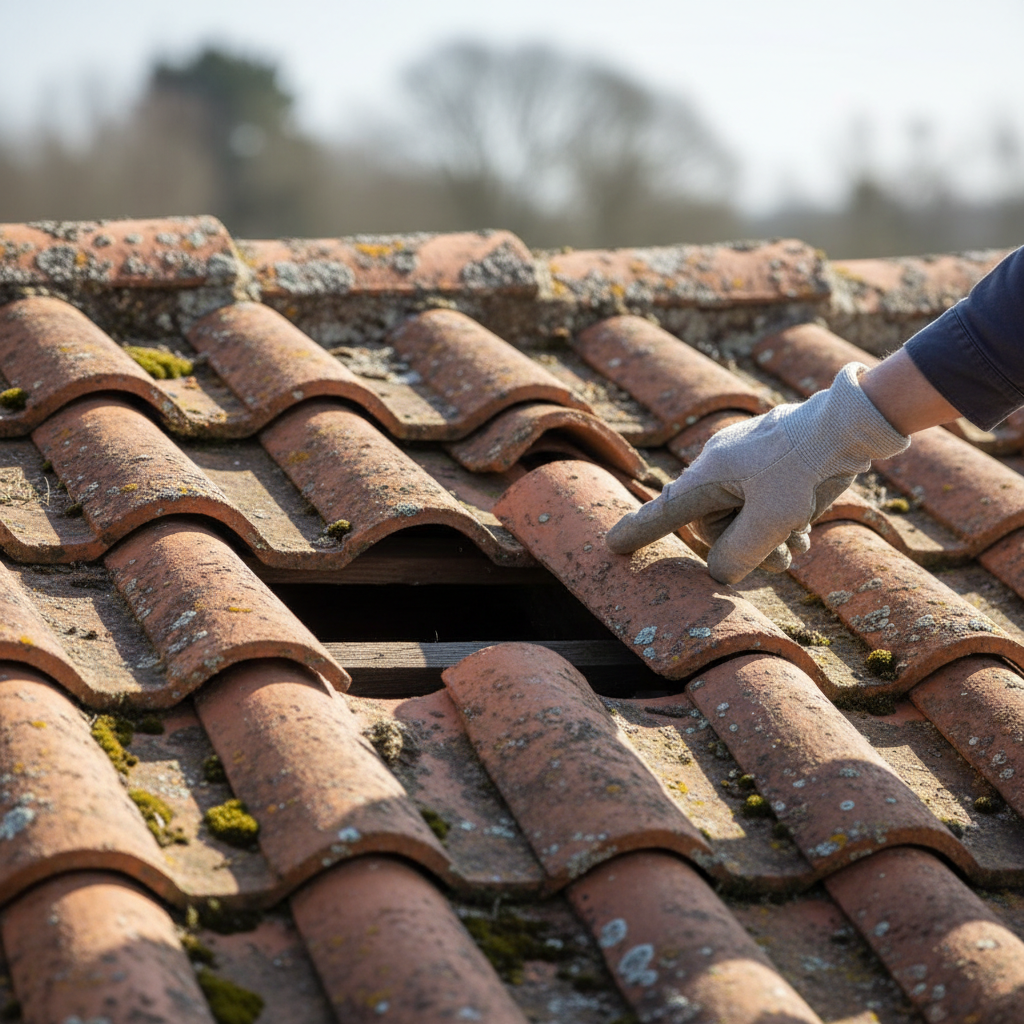
This is the most frequent issue we see in the East Midlands. Many homes in areas like West Bridgford or Chaddesden have older clay or concrete tiles. These materials are durable, but they are not immortal. Over years of wind and rain, the nails holding them in place can rust away. A single slipped tile creates a direct path for water to hit your underlay.
If your underlay is old, it might be brittle. Once the water gets past the tile, it will find a hole in that felt and start dripping onto your insulation. We often spend our days performing roof tile matching because homeowners want the repair to look natural. Replacing a few broken tiles is a simple job, but ignoring them is a recipe for a rotten roof timber.
Damaged Flashing Around Chimneys
Flashing is the metal sheeting, usually lead, that seals the gap where the roof meets a vertical surface like a chimney or a wall. It is a critical line of defence. However, lead expands and contracts as the temperature changes. Over time, the mortar pointing that holds the lead in place can crack and fall out.
Once that seal is broken, water runs straight down the side of the chimney stack. You might notice dampness around the chimney breast in your upstairs rooms or attic. It is a common problem in the Victorian terraces found throughout Leicester and Nottingham. If the flashing looks loose or the mortar is missing, it needs attention before the next big downpour.
Blocked and Overflowing Gutters
It sounds simple, but blocked gutters cause a surprising amount of internal damp. When gutters fill with leaves, moss, and grit, the water has nowhere to go. During heavy rain, the water backs up. Instead of flowing down the pipe, it can get pushed under the bottom row of tiles or soak into the fascia boards.
We often see this in leafier suburbs where large trees overhang the roofline. If you see water cascading over the side of your gutters like a waterfall, they are blocked. This extra moisture can rot the wooden edges of your roof, eventually leading to a leak that feels like a structural failure but started as a handful of wet leaves.
Cracked Mortar on Ridge Tiles
Look at the very top of your roof. Those half-round tiles sitting on the peak are your ridge tiles. In older homes, these are bedded in a sand and cement mortar. Because the ridge is the most exposed part of the house, it takes the full force of the wind.
Mortar eventually cracks. Once a crack forms, frost makes it worse. Water gets into the crack, freezes, expands, and pushes the mortar apart. You might eventually see bits of grey cement lying in your gutters or on the floor. If the ridge tiles are loose, wind can actually lift them off, leaving the very top of your house completely open to the elements.
Problems with Roof Underlay
In many houses built several decades ago, the underlay is a bitumen-based felt. Over thirty or forty years, this felt becomes paper-thin and starts to tear. You might have tiles that look perfectly fine from the ground, yet you still have a leak. This is often because the secondary line of defence has failed.
When we perform roof installations, we use modern breathable membranes. These are much tougher and allow moisture to escape the loft while keeping rain out. If your old felt is crumbling, every minor tile slip becomes a major leak. It is worth checking your loft space with a torch during rain to see if the felt looks damp or saggy.
How to Spot a Leak Early
Most people wait for a drip to start before they call a professional. That is usually the most expensive way to handle it. You can spot the signs earlier if you know what to look for.
- Dark spots on the ceiling: These often look like faint tea stains. They might grow slowly over months.
- Musty smells in the loft: If your attic smells like a damp basement, water is getting in somewhere.
- Missing or misaligned tiles: You can usually see these from the street. If the lines of your roof look jagged, something has moved.
- Damp patches on external walls: This often points to failing flashing or overflowing gutters.
- Light shining through: If you go into your loft during the day and can see daylight through the roof, water can definitely get in.
The Danger of DIY Patches
It is tempting to grab a ladder and a tube of sealant. We see a lot of "quick fixes" in Derby and Leicester that have actually made the problem worse. Slapping silicone over a leaking valley or using tape on a lead flashing rarely works for more than a few weeks. It often traps water against the timber, causing rot that would not have happened otherwise.
Roofing is a trade that relies on shedding water, not just blocking it. Every layer has to overlap the one below it correctly. If you try to seal a leak from the inside or use the wrong materials, you are just delaying the inevitable. A professional repair usually involves getting to the root cause, whether that is replacing the lead or finding the exact match for a broken tile.
Choosing the Right Fix
Sometimes a leak is just a leak. A few tiles and some fresh mortar might be all you need to get another ten years out of the roof. Other times, the leak is a symptom that the materials have reached the end of their natural life. If you find yourself repairing the same roof every winter, it might be time to consider a full installation.
We focus on being honest about what is actually needed. There is no point spending money on a patch if the rest of the roof is about to fail. Likewise, we do not suggest a new roof if a simple repair will solve the issue. With 20 years of experience in the East Midlands, we have seen that doing the job right the first time is always the cheapest option in the long run.
Summary of Common Issues
To keep your home dry in Nottingham, Leicester, or Derby, keep an eye on the basics. Watch your gutters, look at your chimney, and check your tiles after a big storm. Most roof leaks are predictable and preventable. If you catch them early, you protect your home and your wallet from the damage that water can do. A small drip today is a big problem tomorrow, so do not wait for the ceiling to come down before you take action.